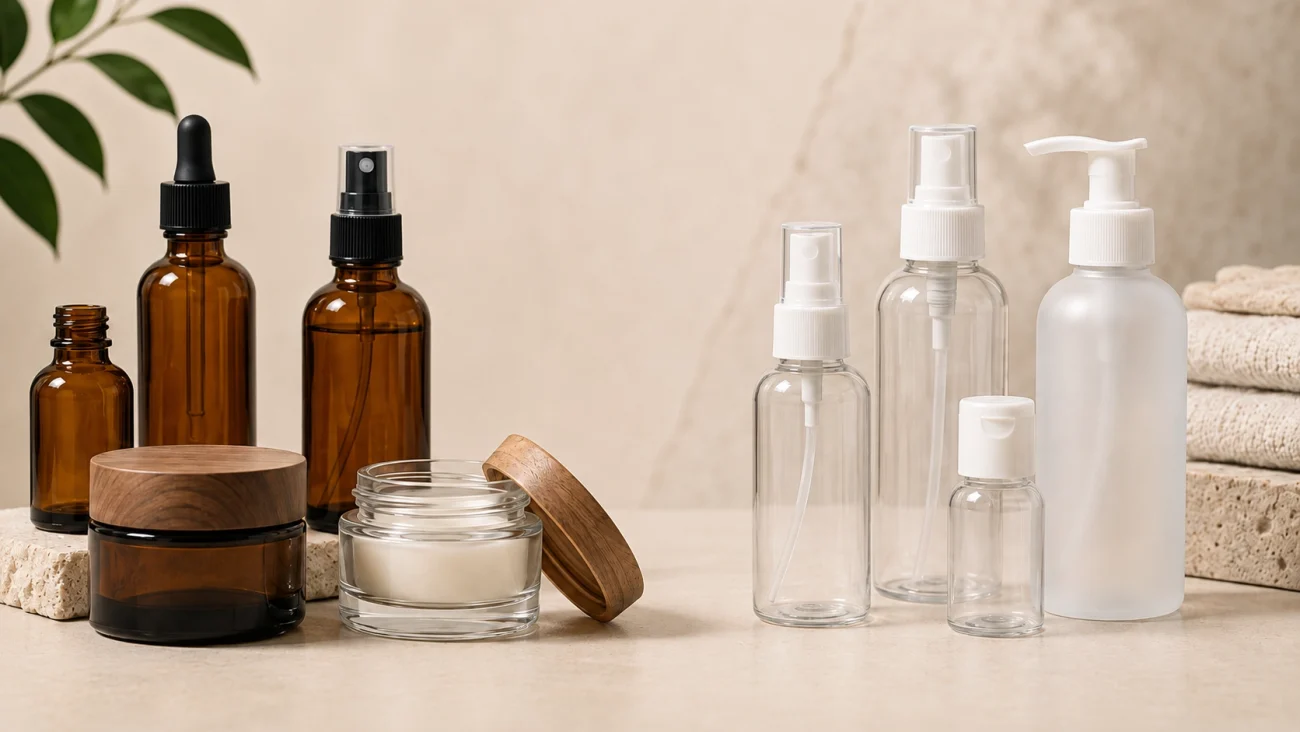

Dropper Bottle vs Pump Bottle vs Airless Bottle: Which Is Best for Skincare Products?

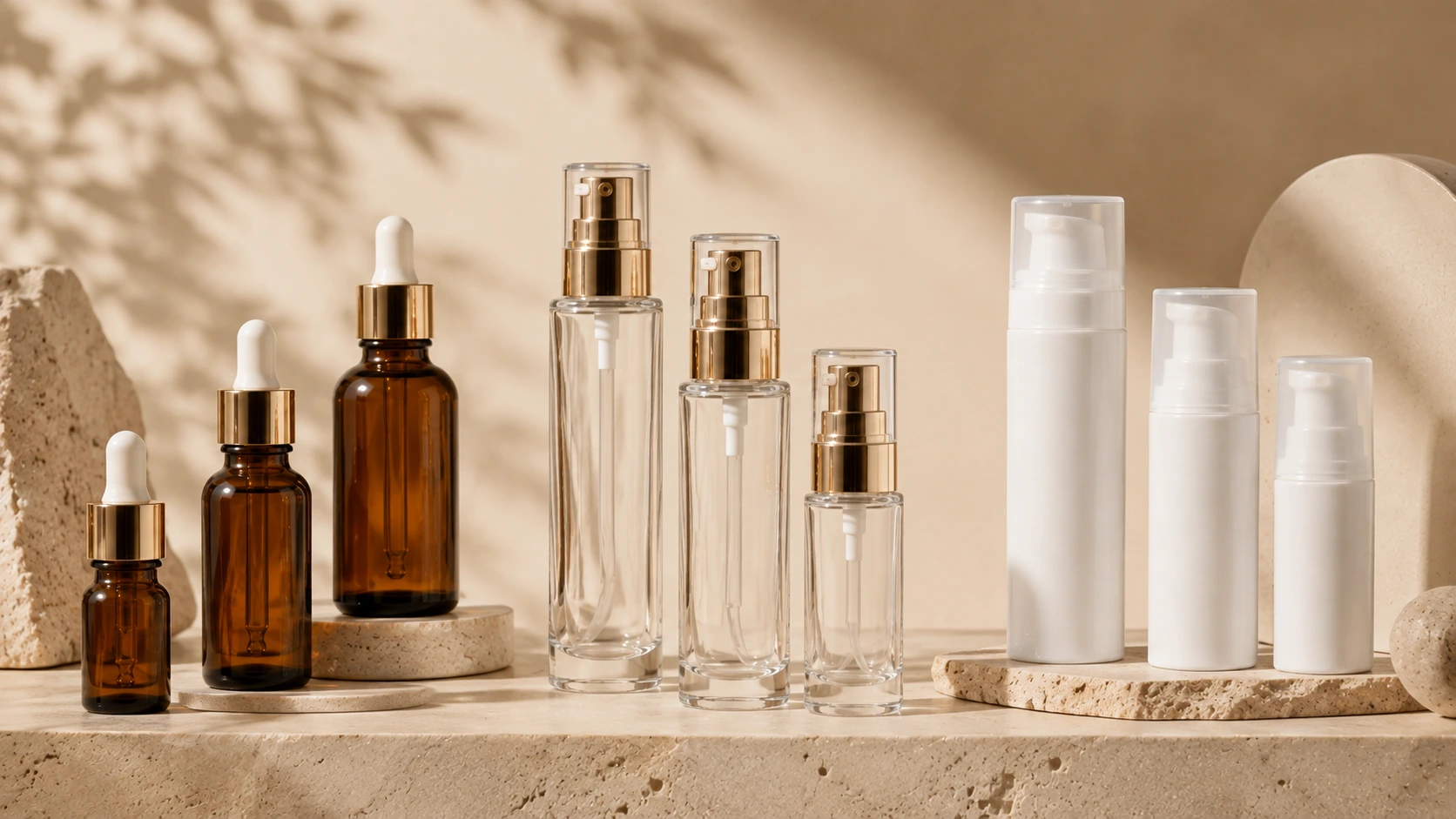
Choosing between a dropper bottle, pump bottle and airless bottle is not simply a styling decision. Each format handles formulas differently, creates a different customer experience and introduces different risks during filling, storage and shipping.
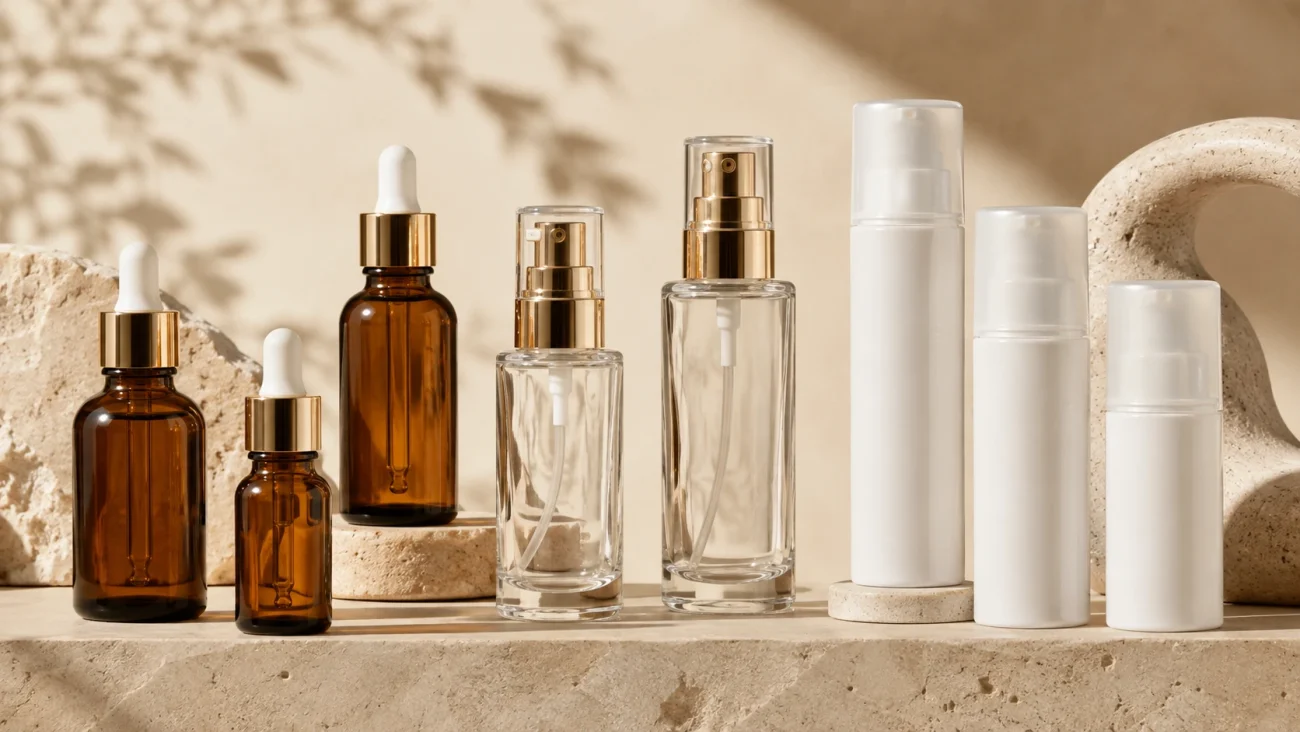
A dropper can work well for low-viscosity serums and facial oils. A pump can make daily use faster and more consistent. An airless system may reduce repeated exposure to external air, which can be useful for some sensitive formulas. None of these formats is automatically the best choice for every skincare product.
The right decision depends on the formula, viscosity, desired dose, packaging material, brand positioning, sales channel and testing results.
Dropper Bottle vs Pump Bottle vs Airless Bottle at a Glance
| Decision Factor | Dropper Bottle | Pump Bottle | Airless Bottle |
|---|---|---|---|
| Dispensing method | Flexible bulb and pipette | Spring, piston and dip tube | Piston or pouch system without a dip tube |
| Typical formula fit | Low-viscosity serums and oils | Light serums, lotions, cleansers and creams, depending on pump type | Serums, lotions and creams that match the mechanism |
| Dose experience | User-controlled but not perfectly consistent | More repeatable per stroke | More repeatable per stroke |
| Air exposure during use | Package is opened for each use | Some air enters as product leaves | Designed to limit repeated air entry |
| User convenience | Usually requires two hands | Fast and often one-handed | Fast and often one-handed |
| Main risks | Dripping, contamination, bulb or closure leakage | Clogging, airlock, leakage and pump mismatch | Priming difficulty, clogging and mechanism failure |
| Common brand impression | Premium, natural or apothecary | Practical, familiar or mass-market | Clinical, modern or premium |
| Shipping considerations | Glass versions add weight and breakage risk | Plastic versions are usually lighter | Depends heavily on material and construction |
The table is only a starting point. The final package should be tested with the real formula rather than selected from appearance or material name alone.
1. How Each Dispensing System Works
Understanding the mechanism helps explain why the same formula may work well in one package and poorly in another.
Dropper Bottles
A dropper combines a flexible bulb with a glass or plastic pipette. Pressing the bulb pushes out air. Releasing it creates negative pressure that draws liquid into the pipette. The customer then squeezes the bulb to dispense the product.
Droppers are often selected for concentrated serums, facial oils and other low-viscosity formulas. They give the user control over the amount dispensed, but they should not be described as providing a perfectly precise dose. Drop size can vary with viscosity, pipette shape, bulb pressure, temperature and the remaining fill level.
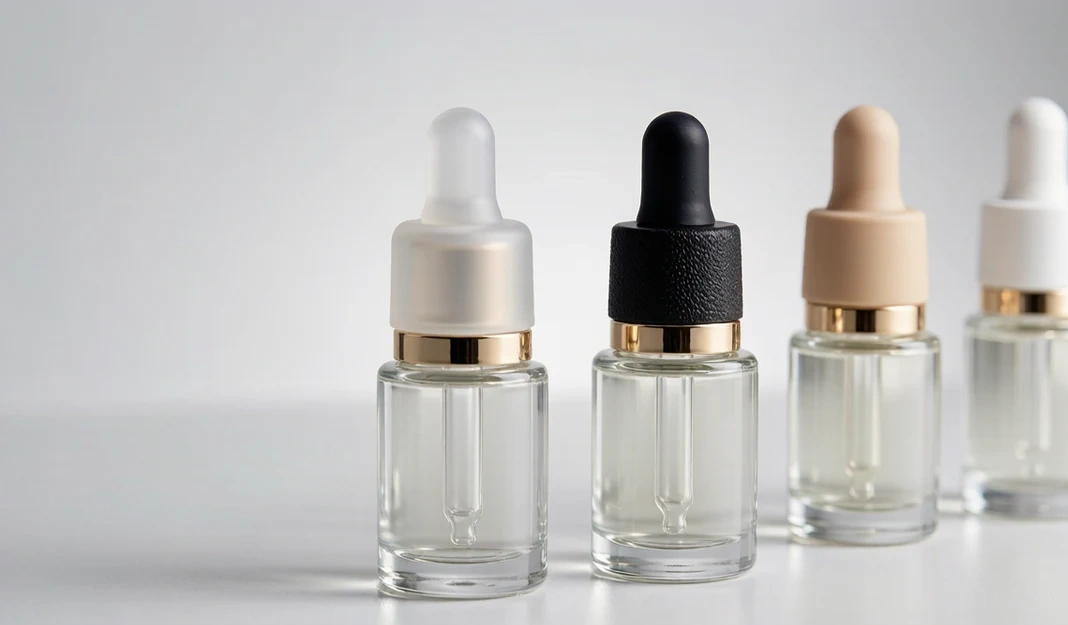
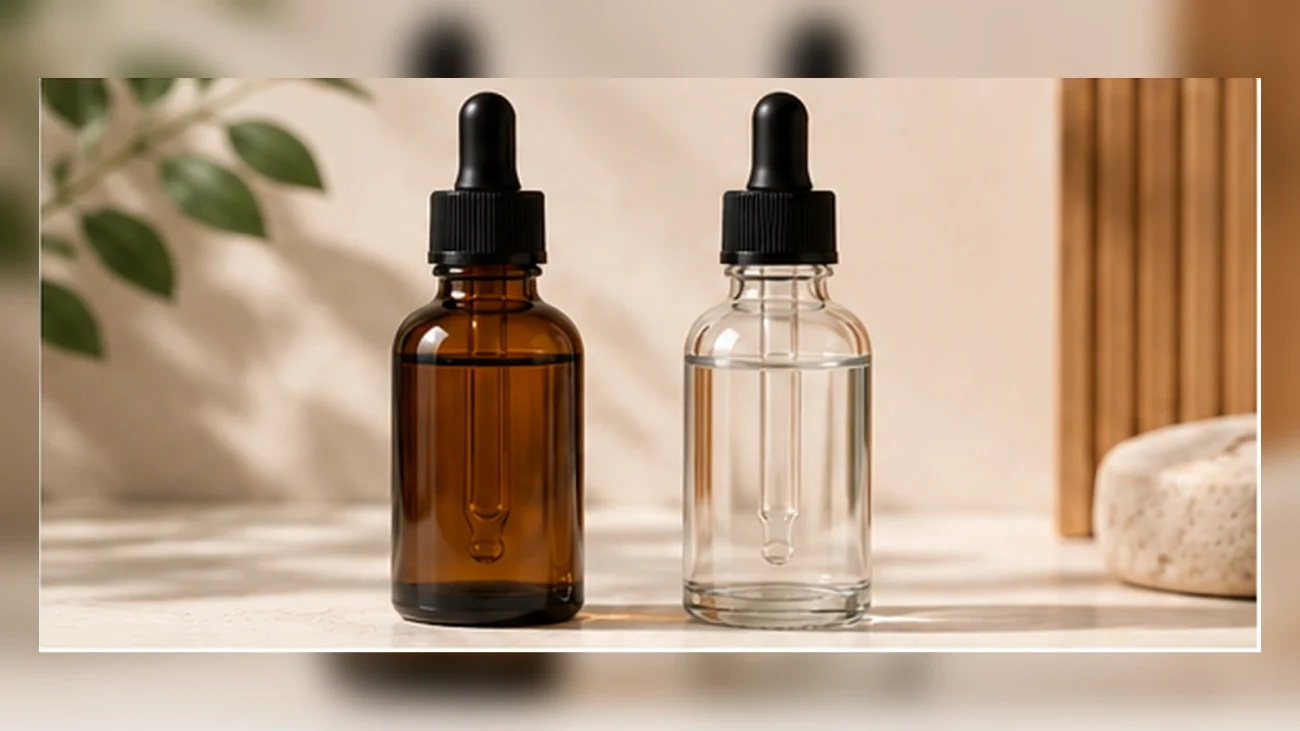
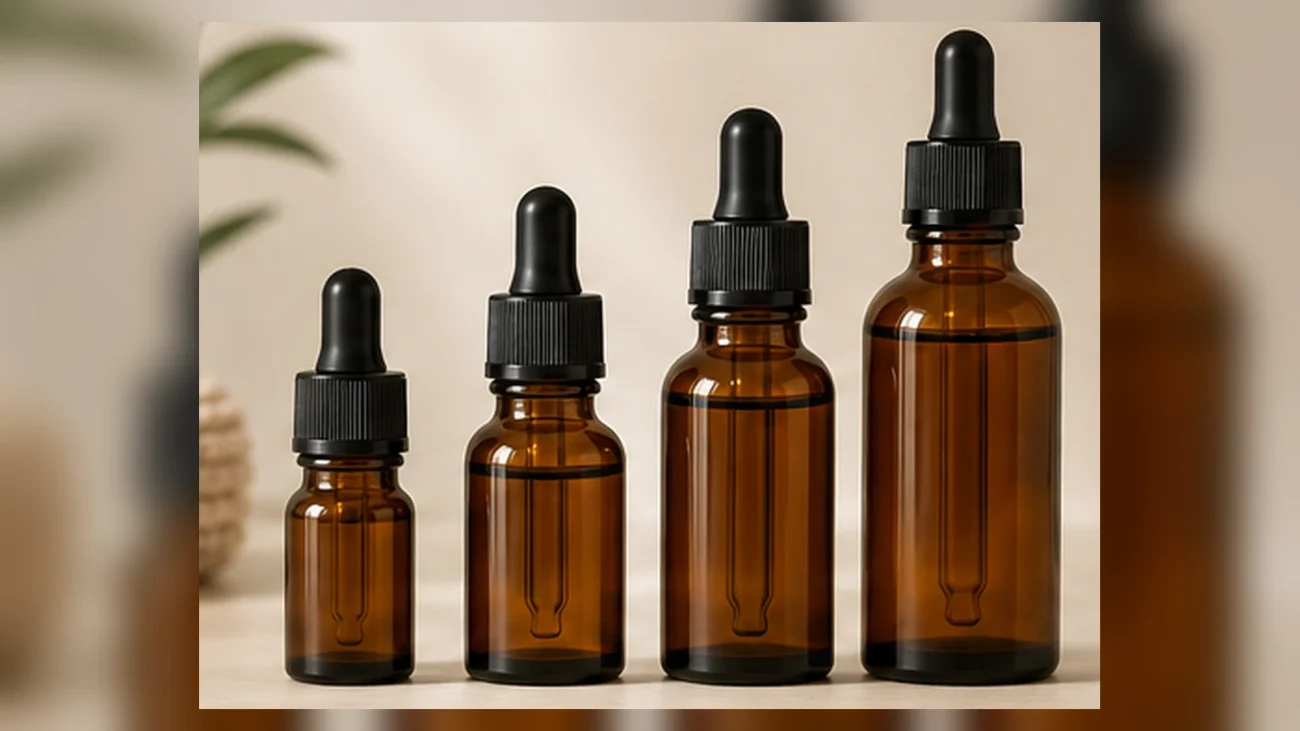
Venturove’s round glass dropper bottles in amber, frosted and clear finishes provide examples of common material and finish options used for serum and oil packaging.
Pump Bottles
A standard pump typically uses a spring, piston and dip tube. Pressing the actuator moves the internal mechanism and pushes product through the outlet. As product leaves, a small amount of air usually enters the package to replace the lost volume.
Pump systems vary significantly. A treatment pump, lotion pump, oil pump and fine-mist sprayer may share some mechanical principles, but they deliver different output patterns and are not interchangeable.
Brands considering glass packaging can review Venturove’s amber square glass bottles with pump options. The exact pump subtype, output and compatibility should still be confirmed for the intended formula.
Airless Bottles
An airless bottle usually uses a moving piston or flexible pouch rather than a dip tube. When the actuator is pressed, the internal platform moves upward and pushes product toward the pump.
This design can reduce repeated entry of outside air during normal use and may improve product evacuation compared with some conventional pump systems. It does not make the product sterile, eliminate the need for preservation or guarantee unlimited shelf life.
Airless mechanisms are also more complex than standard droppers or pumps. Formula viscosity, particle content and component tolerances can all affect performance.
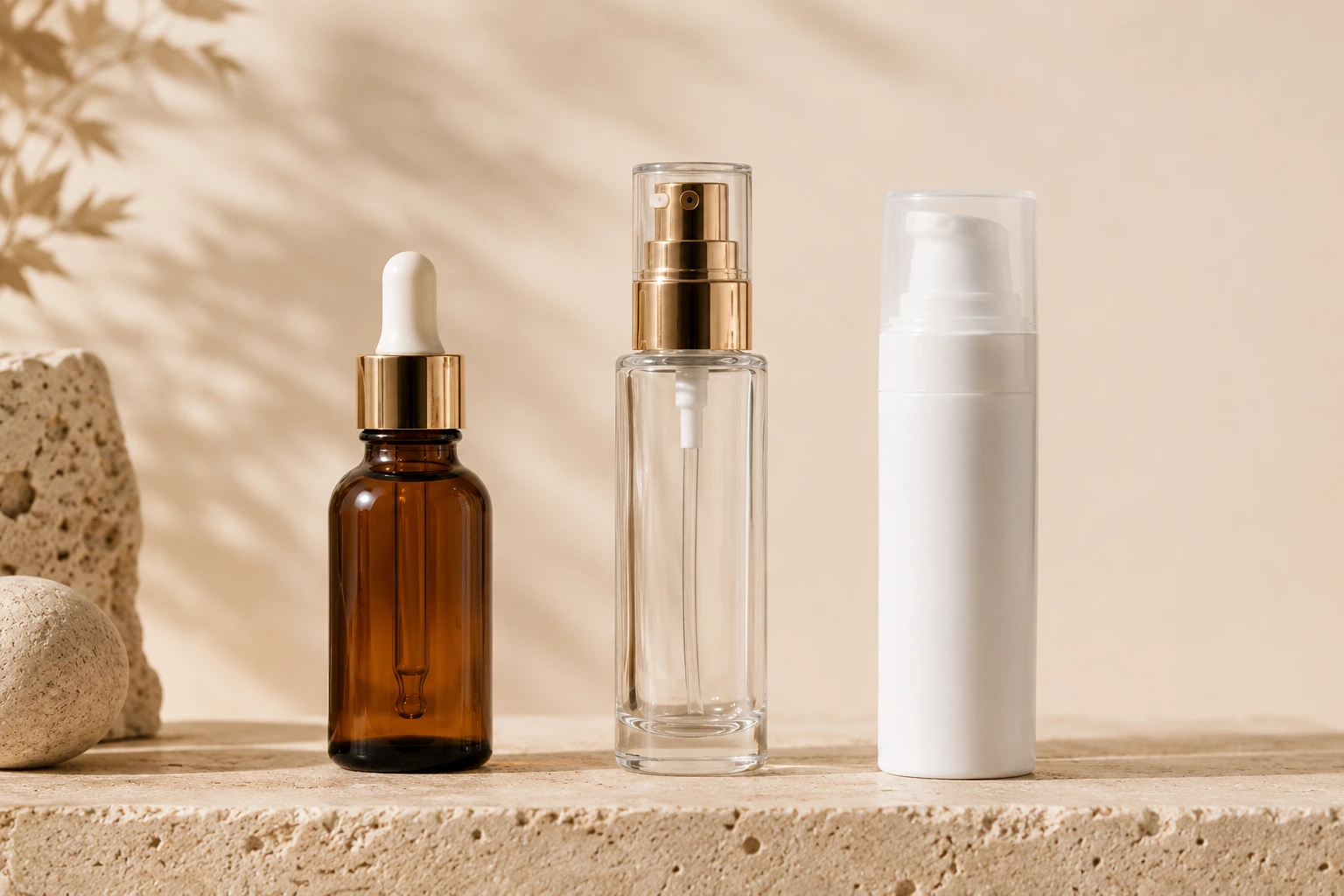
2. Start With Formula Viscosity
Viscosity is one of the fastest ways to eliminate unsuitable options.
Low-Viscosity Serums and Oils
Thin serums, facial oils and concentrated liquids may work with droppers or certain treatment pumps. A dropper can support a premium ritual and flexible manual dosing. A small-output pump can offer faster one-handed use.
Before choosing a dropper, test whether the pipette fills smoothly and whether the formula drips cleanly without running down the neck.
Medium-Viscosity Lotions and Emulsions
Light lotions, fluid emulsions and some gel-serums may work with treatment pumps, lotion pumps or compatible airless systems.
The pump output, dip-tube diameter, spring strength and internal flow path must match the product. A pump that works with water may not work with the final formula.
Thick Creams or Particle-Containing Products
Thick creams, scrubs, bead-containing formulas and products with suspended particles can clog standard pumps or airless outlets. These formulas may require a high-viscosity pump, a wider flow path or a jar format.
The term “airless” does not mean that every airless package will handle every cream. Testing is required.
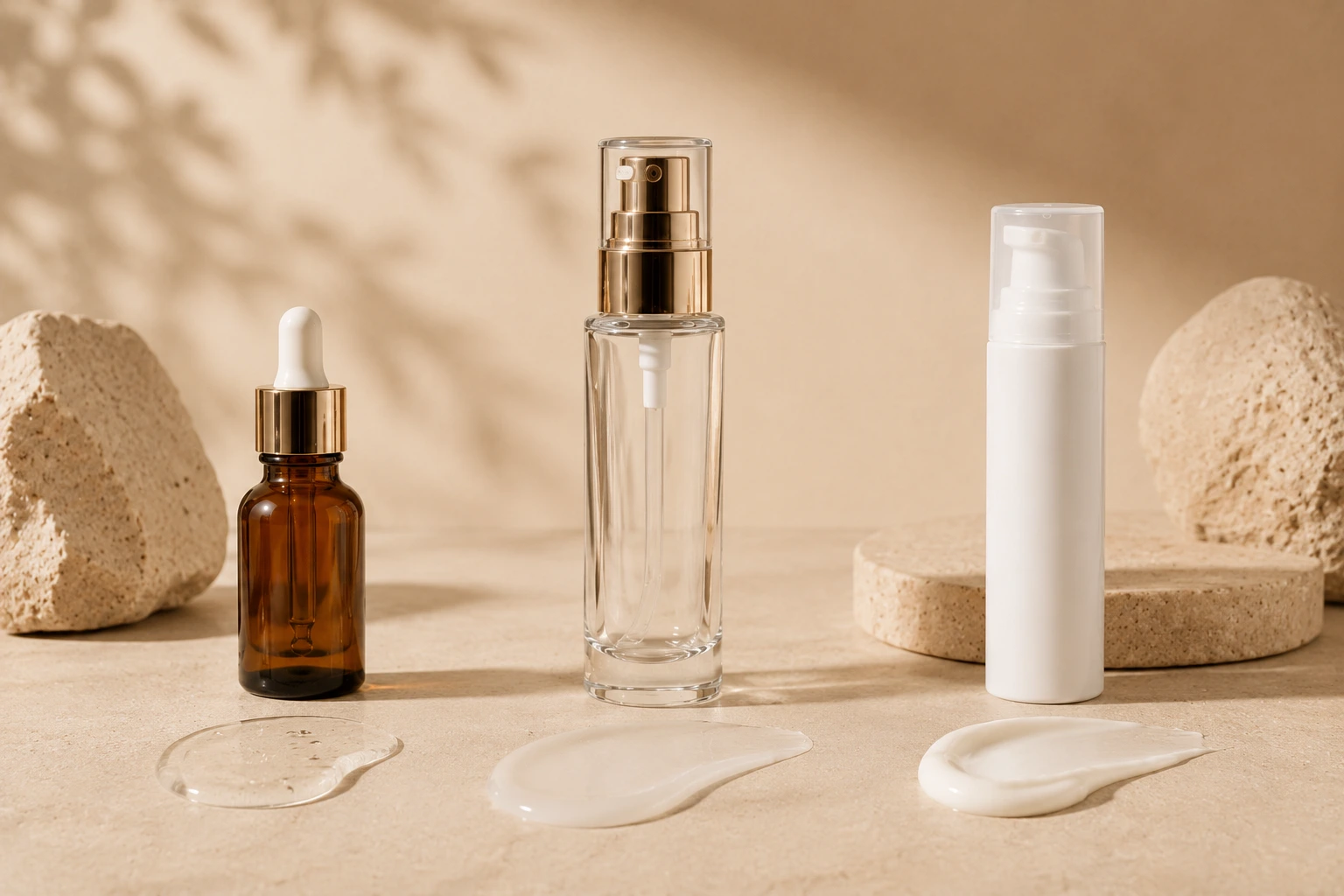
3. Compare Dosing and Customer Experience
Packaging influences how customers use the product each day.
Dropper Experience
Droppers let customers control the number of drops, which can suit concentrated products or routines built around small amounts. However, output is not perfectly uniform, and the package often requires two hands.
The pipette may also touch the customer’s skin or hand, creating a contamination risk if the product is used carelessly.
Pump Experience
Pumps are familiar and convenient. They can provide a more repeatable amount per stroke and are often easier to use with one hand.
A pump may be better for products used over a larger area or for customers who want fast, clean dispensing. The buyer should still test whether one stroke delivers too much or too little product.
Airless Experience
Airless systems can deliver a controlled dose and may help customers access more of the product as the internal piston rises.
The first few presses may be needed to prime the mechanism. Without clear instructions, customers may assume the package is defective before product reaches the outlet.
4. Consider Product Protection Without Overclaiming
Packaging can help manage exposure to air, light and contamination, but it cannot correct an unstable formula.
Air Exposure
Droppers are opened each time they are used. Conventional pumps generally allow some replacement air into the package. Airless systems are designed to limit repeated air entry during dispensing.
For formulas that may be sensitive to oxygen, this difference can matter. However, preservation, formulation, fill conditions and package testing remain necessary.
Light Protection
An amber or opaque bottle may reduce light exposure. Clear packaging may be appropriate when product visibility is important and the formula is stable under expected conditions.
The level of protection depends on the actual material, color and coating. Avoid claiming that a dark bottle provides complete protection unless testing supports the statement.
Contamination Risk
A dropper pipette can contact skin or fingers. Pump and airless systems reduce direct contact with the bulk product, although the actuator can still become dirty.
No consumer package should be described as completely contamination-proof.
5. Review Leakage, Clogging and Component Matching
Many packaging problems come from the complete system rather than the bottle alone.
Common Dropper Risks
- bulb aging or swelling;
- leakage around the closure;
- product residue around the neck;
- pipette contact with skin;
- poor control with very thin formulas;
- slow uptake with thick formulas.
Common Pump Risks
- clogged outlet or internal channel;
- airlock after filling or storage;
- incorrect dip-tube length;
- neck finish or thread mismatch;
- damaged gasket or liner;
- spring or seal incompatibility;
- leakage during transport.
The bottle neck, closure specification, dip tube, seal and pump output should be confirmed as one system.
Common Airless Risks
- difficult initial priming;
- clogging with thick or particle-containing formulas;
- inconsistent evacuation;
- mechanism failure caused by poor tolerances;
- residual product left inside;
- limited refillability in some designs.
These risks cannot be assessed from an empty sample alone.
6. Compare Glass and Plastic Formats
The dispensing system and the packaging material should be evaluated separately.
Glass
Glass can support premium, natural, clinical or apothecary-style positioning. Amber or frosted finishes can strengthen the visual concept and may reduce light exposure.
The disadvantages are weight and breakage risk. Glass may require stronger secondary packaging and more careful e-commerce or international shipping preparation.
For a wider material comparison, see Venturove’s guide to glass vs plastic cosmetic packaging.
Plastic
Plastic bottles are generally lighter and more resistant to impact. PET, PP, PETG and other materials create different levels of clarity, rigidity and formula compatibility.
Plastic can be practical for travel sizes, samples, daily-use products and e-commerce distribution. The resin, color, decoration and closure system all affect performance and recyclability.
The material decision should follow the formula and channel requirements rather than a simple “glass is premium, plastic is cheap” rule.
7. Match the Format With Brand Positioning
Packaging communicates before the customer dispenses the product.
Premium and Natural Brands
Glass droppers are often associated with concentrated formulas, facial oils and apothecary-inspired skincare. Decoration, closure finish and bottle weight can reinforce premium positioning.
Practical Daily-Skincare Brands
Pump bottles can feel clean, familiar and efficient. They are suitable for routines that prioritize speed, one-handed use and repeatable dispensing.
Clinical or Active-Ingredient Brands
Airless systems are often used to communicate formula protection, modern technology and controlled dispensing. Those impressions should not be turned into unsupported performance claims.
Startups and Small Brands
A startup may reduce development risk by testing ready-made bottles, standard neck finishes and existing closures before investing in custom molds.
The total decision should include sample cost, decoration, freight, breakage, inventory risk and the ability to source matching replacement components.
8. Include Shipping and Fulfillment in the Decision
A package that performs well on a desktop may fail during international transport or e-commerce fulfillment.
Buyers should evaluate:
- total filled weight;
- breakage resistance;
- closure locking or transport clips;
- leakage when stored sideways or upside down;
- vibration and repeated handling;
- temperature changes;
- carton strength;
- protective inserts;
- landed cost.
Glass droppers may require more protective materials. Plastic pumps and airless bottles can reduce breakage risk, but weak closures or poor assembly can still cause leakage.
Testing should use the finished package with the real formula.
9. Buyer Decision Checklist
Before selecting a dropper, pump or airless bottle, confirm:
- What is the formula viscosity?
- Does the product contain particles or suspended ingredients?
- How much product should be delivered per use?
- Does the customer need one-handed dispensing?
- Is reduced air exposure a priority?
- Does the formula require reduced light exposure?
- Which bottle, closure, gasket and pump materials contact the formula?
- Are the neck finish and closure specification compatible?
- Is the dip tube the correct length?
- Has the package been tested with the real formula?
- Has leakage been checked after inversion, vibration and temperature changes?
- Does the package support the brand and price position?
- How will weight and breakage affect freight and fulfillment?
- Are sample quantities and replacement components available?
Final Recommendation
Choose a dropper bottle when the formula is relatively fluid, the customer expects manual control and the brand benefits from a premium or apothecary presentation.
Choose a pump bottle when speed, cleanliness, one-handed use and repeatable dispensing are more important. Confirm that the exact pump subtype matches the formula.
Choose an airless bottle when limiting repeated air entry and controlled dispensing are important, but do not assume that the mechanism eliminates the need for preservation or testing.
For many skincare products, the best answer comes from comparing filled samples rather than choosing one format from a specification sheet. Test the real formula in the complete package, including the closure, seal and dispensing system.
Venturove currently offers several dropper and pump packaging options. Airless packaging is discussed here as an industry format and should not be interpreted as confirmation of current Venturove inventory. For additional guidance, review the serum packaging selection guide or the broader guide on choosing cosmetic packaging.
Need Help Comparing Skincare Dispensing Options?
Share your formula type, viscosity, target market and preferred dispensing experience with Venturove. We can help you compare suitable dropper and pump packaging options and prepare samples for evaluation.
FAQ
Is a dropper more precise than a pump?
A dropper gives the user flexible control, but the actual amount per drop can vary. A suitable pump usually provides a more repeatable amount per stroke.
Does an airless bottle mean the formula does not need preservatives?
No. Airless packaging can reduce repeated entry of outside air, but it does not make the product sterile or remove the need for proper preservation and testing.
Can a thick cream be used in an airless bottle?
Some airless systems can handle creams, but very thick or particle-containing formulas may clog or fail to dispense properly. The real formula must be tested in the selected package.
Why does a pump bottle stop dispensing?
Possible causes include airlock, an incorrect dip-tube length, dried product, a blocked outlet, a damaged seal or a pump that is not compatible with the formula.
Which option is best for vitamin C or retinol skincare?
Amber dropper bottles and compatible airless systems are both commonly considered for light- or oxygen-sensitive formulas. The final decision should be based on stability and compatibility testing.
Which package is better for e-commerce shipping?
Lightweight plastic pump or airless bottles can reduce breakage risk, while glass droppers usually require stronger protective packaging. Leakage and transport testing are necessary for every format.