
Cosmetic Packaging for Oxidation-Sensitive Formulas: Airless, Opaque & Minimal-Air Dispensers

Oxygen is the quiet spoiler in cosmetic formulation. Heat gets the attention, and light gets the warnings, but the air sitting in the headspace of a bottle is what turns a bright vitamin C serum brown, breaks a retinol serum down between the first and the fortieth pump, and slowly rancidifies a botanical oil. For a brand built on active performance, that degradation is not a cosmetic flaw. It is the product failing to do the job the customer paid for. Packaging is the control you have over that process, and the right dispenser does more to protect potency than any claim on the label.
This guide walks through how oxygen degrades cosmetic formulas, why the dispensing system matters as much as the bottle material, and how to match airless, opaque, and minimal-air packaging to the actives you actually use. We keep Venturove-specific capability claims out of the technical sections; where the right answer depends on what we can document and stock, we point you to the place to confirm it rather than guess.
Key Takeaways
Oxygen is one of three degradation drivers, alongside light and microbes, and it browns vitamin C, breaks down retinol and peptides, and rancidifies oils and botanical extracts.
Airless pumps isolate the formula from air by dispensing through an internal vacuum or piston, so no air is drawn into the chamber on use, unlike dip-tube pumps or droppers, which pull air in every time.
Opaque, amber, and cobalt packaging blocks light; retinol and ferulic acid are damaged by both light and air, so opaque plus airless gives the two-axis protection high-value actives need.
Pump dispensers limit air contact far better than droppers, which admit air into the headspace on every use. Droppers suit short-shelf-life or robust-preservative formulas, not long-open retinol.
Nitrogen flushing and unit-dose capsules displace oxygen at fill or per use; reserve them for the most labile actives where a few percent of retained potency is the whole selling point.
Match the package to the actual stability risk: anhydrous balms, waxes, and low-active stable formulas rarely need airless, which costs more per unit than a standard pump.
Why Oxygen Degrades Your Formula
Oxidation is a chemical reaction between your formula and the oxygen in the air above and around it. The ingredients most brands pay a premium for are exactly the ones most vulnerable. L-ascorbic acid (pure vitamin C) loses antioxidant capacity within weeks of regular air exposure and visibly browns as it oxidizes. Retinol and retinoids undergo photooxidation, degrading their molecular structure and anti-aging performance. Peptides lose conformational integrity when oxidized, which dulls their bioactivity. And the oils and botanical extracts that give a “natural” formula its character are the first to go rancid, producing off-odors and color shifts long before the consumer notices the date on the bottle.
The mechanism is cumulative and invisible until it is obvious. Every time a container is opened, the surface of the product trades air with the room. In a jar, the entire contents are exposed at once. In a dropper bottle, air is pulled into the headspace on each use. In a conventional dip-tube pump, atmospheric air is drawn in to replace the volume you just dispensed. The formula does not need to be “open” for long. It needs to be exposed a little, repeatedly, for the chain reaction to run.
The Airless Pump: Sealing the Formula Off from Air
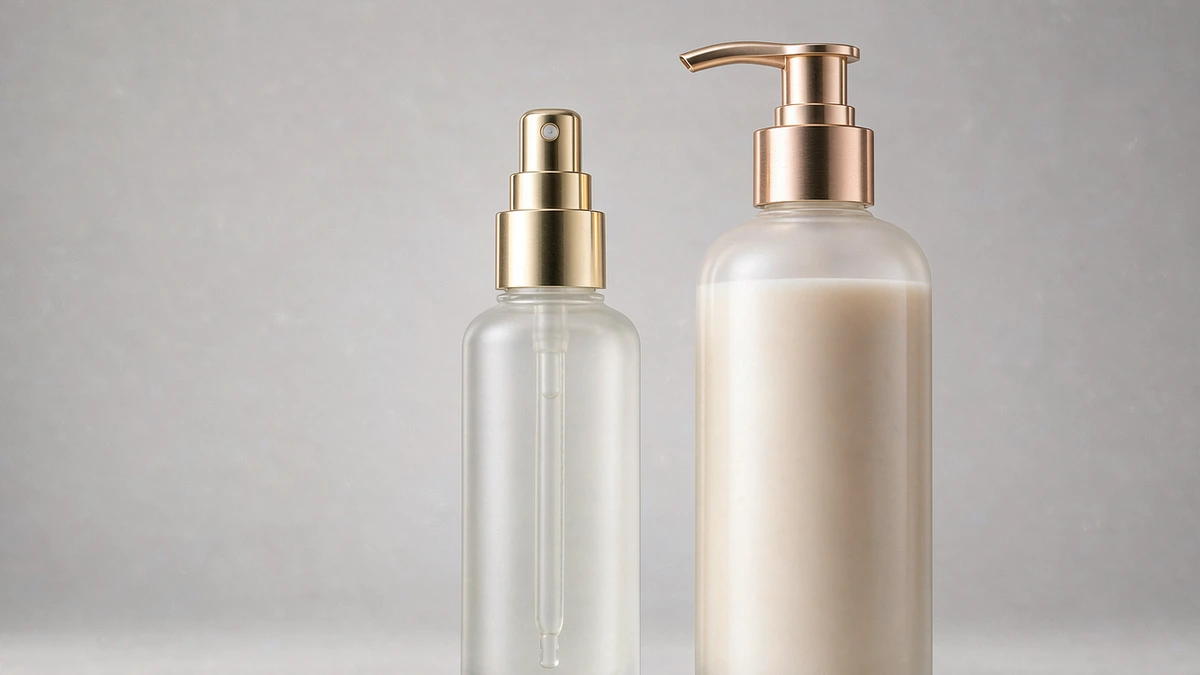
An airless pump bottle is built on a different principle than a standard pump. Instead of a dip tube that pulls product up while drawing air down, it uses a moving piston or a collapsible bag inside a rigid shell. When you press the actuator, internal pressure pushes the product out; the chamber below collapses to follow it, and no external air enters. The remaining formula stays sealed away from oxygen and airborne microbes from the first pump to the last.
This is why airless is the default for high-performance serums and retinol treatments. In published supplier stability comparisons, vitamin C serums retain a substantially higher share of potency over six months in airless packaging than in dropper bottles, and retinol degradation drops sharply under the same sealed conditions. Treat those as directional proof of the mechanism, not as Venturove’s own test numbers, but the mechanism itself is well established. Remove the air, and you remove the reaction.
Airless also supports “clean beauty” positioning because the sealed environment reduces the microbe load introduced during use, which can let formulators trim preservative load. It does not eliminate preservatives in water-based formulas, and it costs more per unit than a PET bottle with a standard lotion pump, so it is a protection investment to apply where the active justifies it.
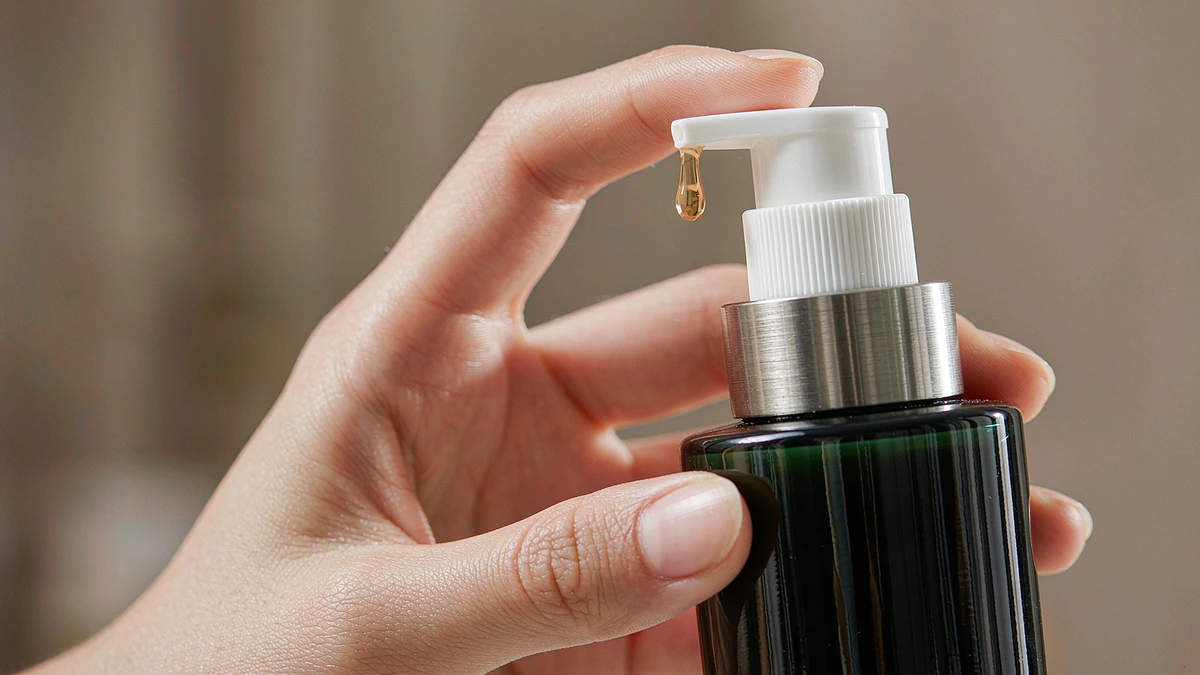
Opaque and Amber: Blocking the Other Axis: Light
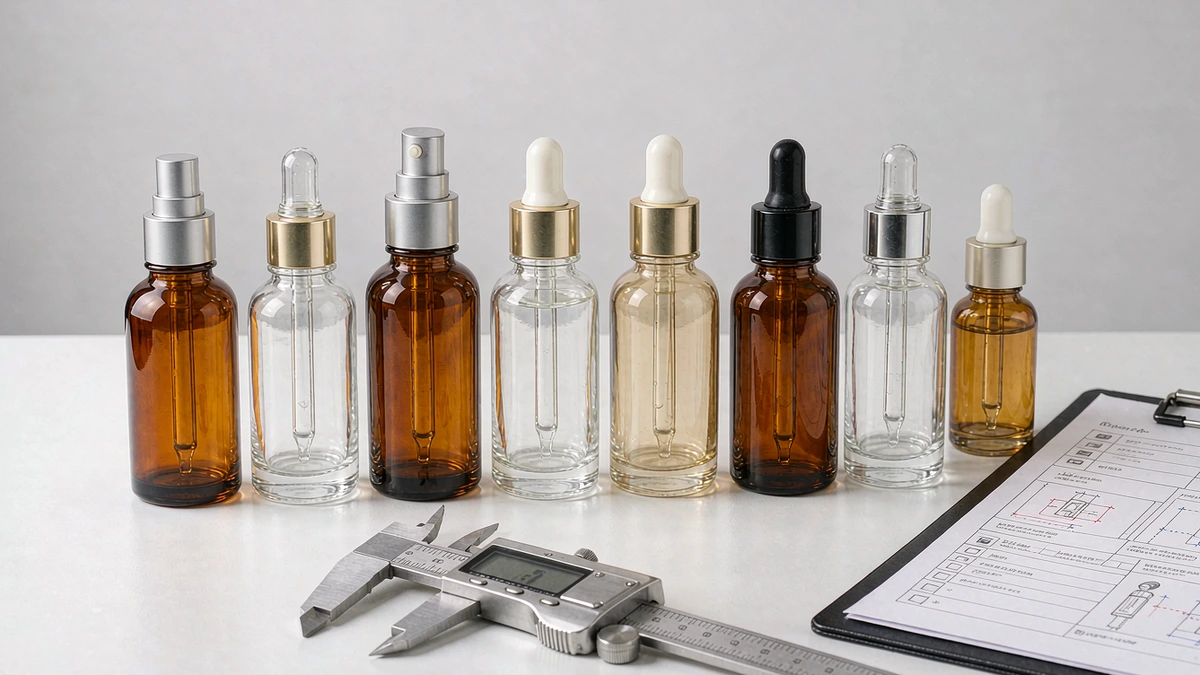
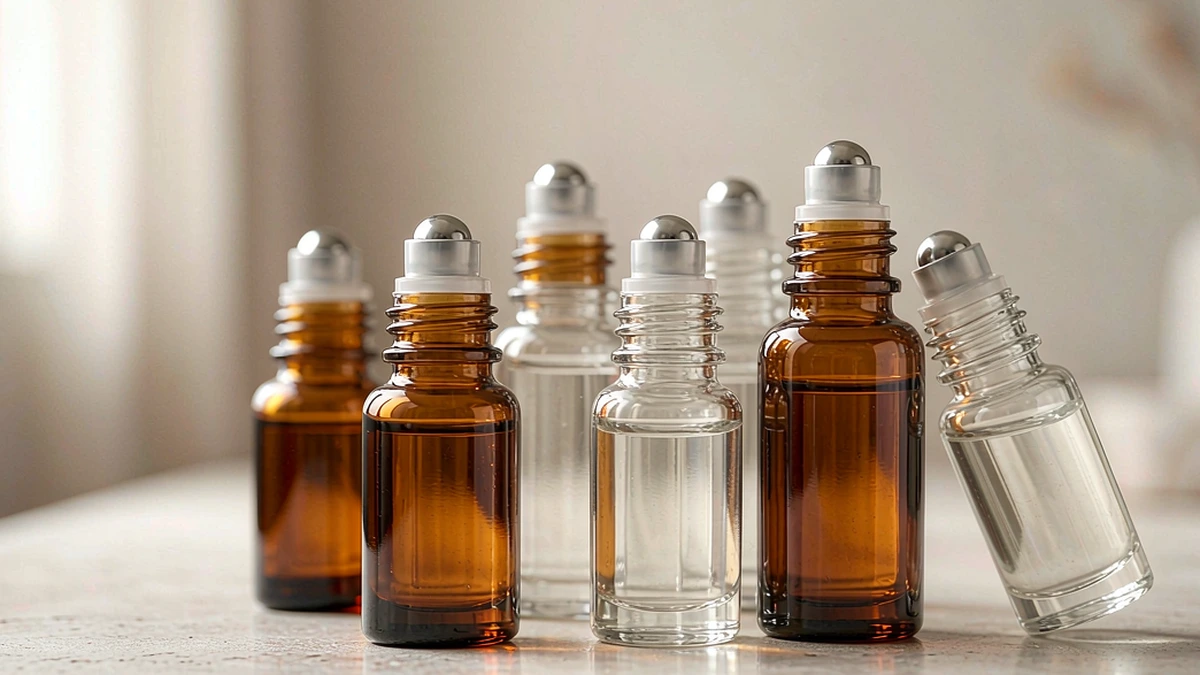
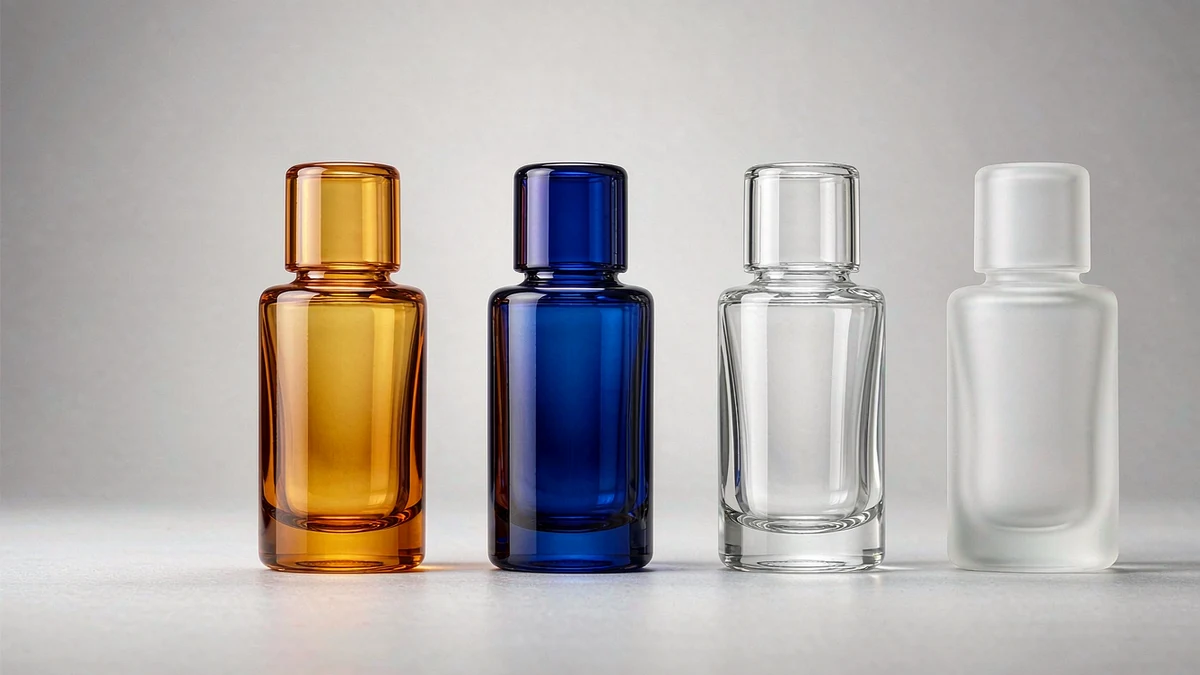
Light is the second degradation driver, and it is easy to confuse with air because the visible symptom is often the same color shift. Vitamin C, retinol, and certain oils are photodegradable: UV and even visible light break them down. The fix is to stop the light reaching the formula. Opaque plastic, aluminum, and ceramic block light entirely. Amber and cobalt glass filter the most damaging UV wavelengths while still letting a hint of product show through, which is why they are a staple for essential oils and light-sensitive serums.
The important point for formulation protection is that light and air are separate pathways that compound. Retinol and ferulic acid are damaged by both. A clear airless bottle solves the air problem but leaves the light problem open; an amber jar solves the light problem but admits air on every open. The strongest protection for a photolabile, oxygen-sensitive active is therefore opaque and airless, or at minimum an amber bottle paired with a non-air-admitting dispenser. For the color and UV tradeoff in bottle materials, see our guide to bottle color and UV protection, which covers amber, cobalt, clear, and frosted options.
Minimal-Air Dispensers: Pump vs Dropper
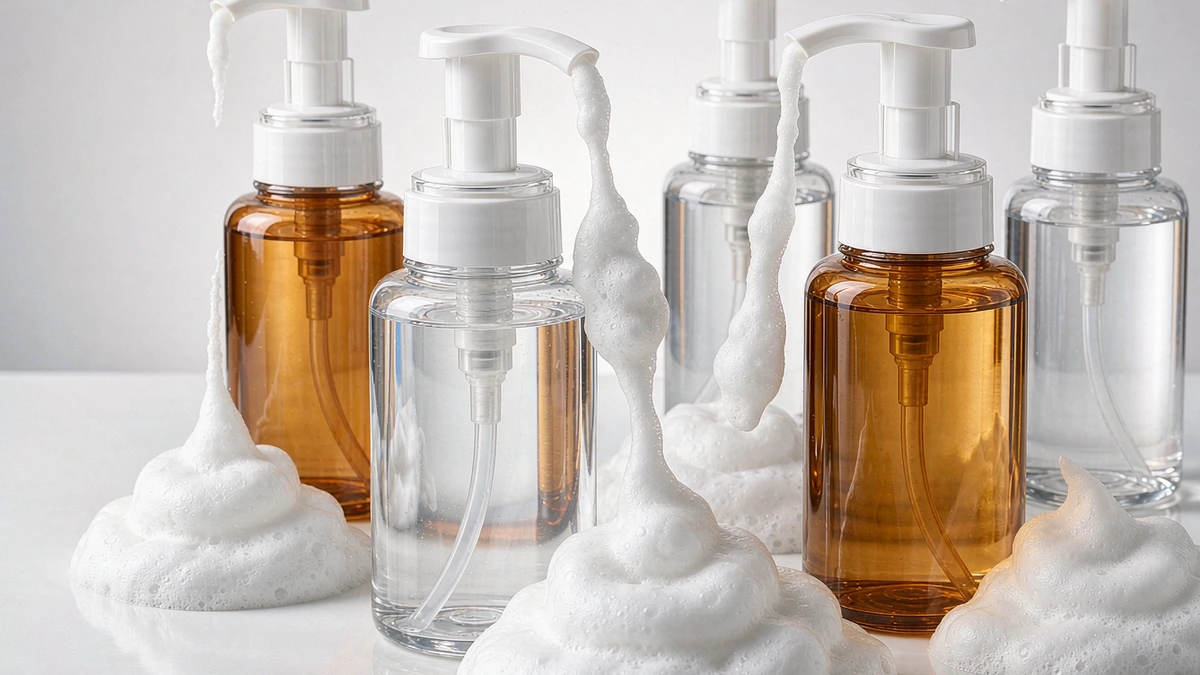
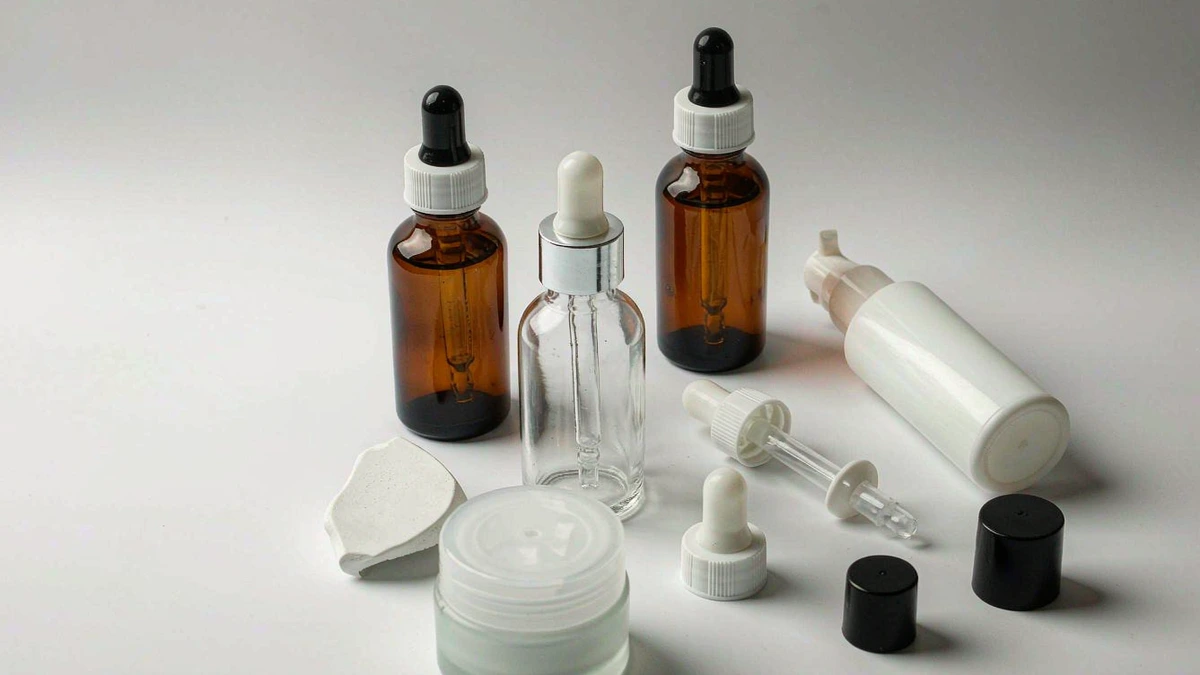
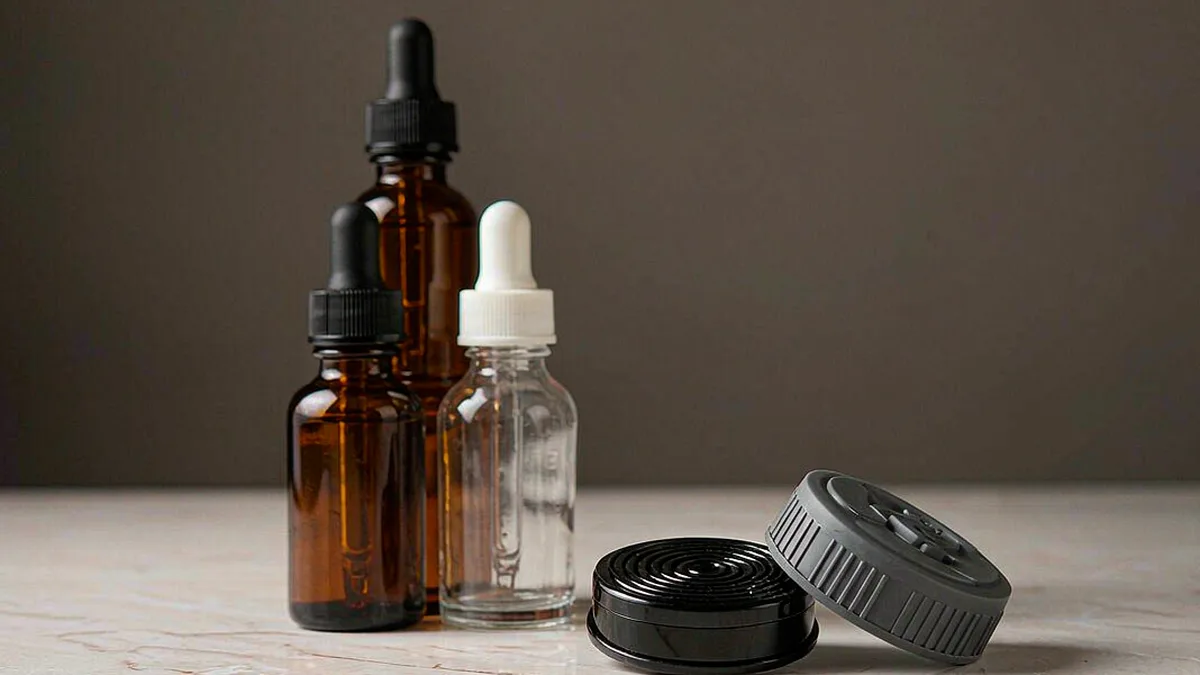
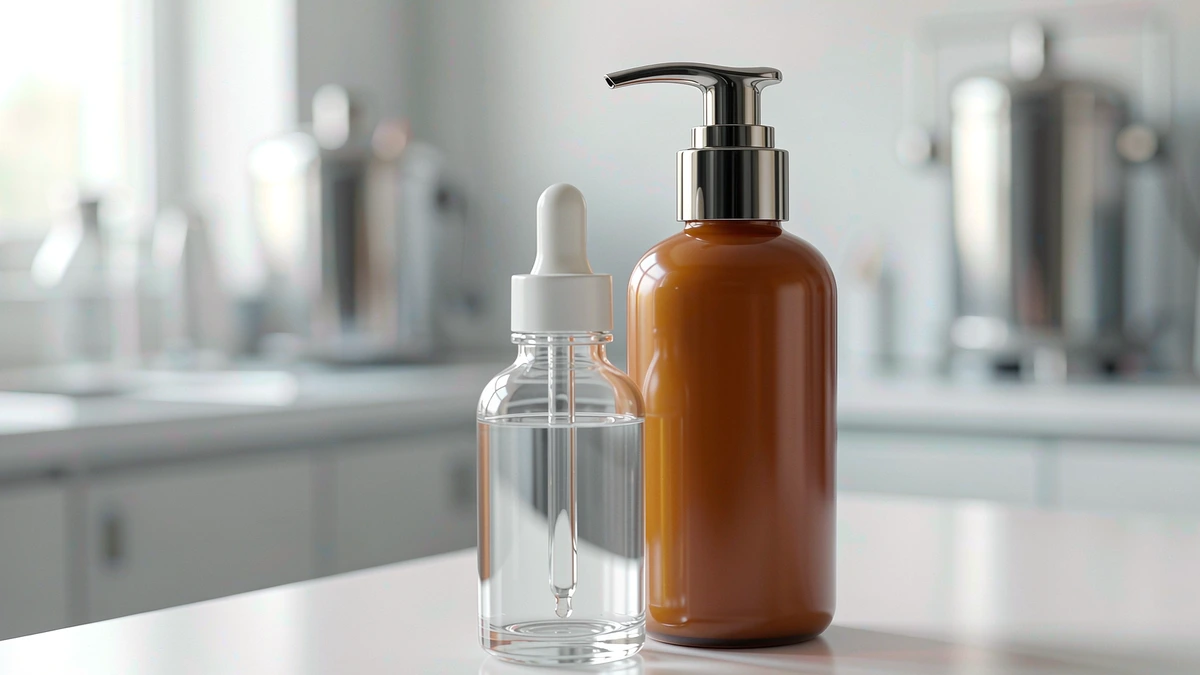
If airless is the gold standard, the next decision is which dispenser admits the least air for your budget. A pump, especially a treatment or lotion pump, delivers a metered dose with the closure resealing afterward, so the headspace sees only a small, brief exchange. A dropper is open by comparison: each squeeze of the bulb pulls air into the bottle, and the glass is repeatedly uncapped. Droppers are perfectly good for short-shelf-life formulas, high-alcohol or robust-preservative products, and essential-oil blends that are already somewhat oxidation-tolerant, but they are the weaker choice for a retinol or pure-C serum you expect the customer to use over three months.
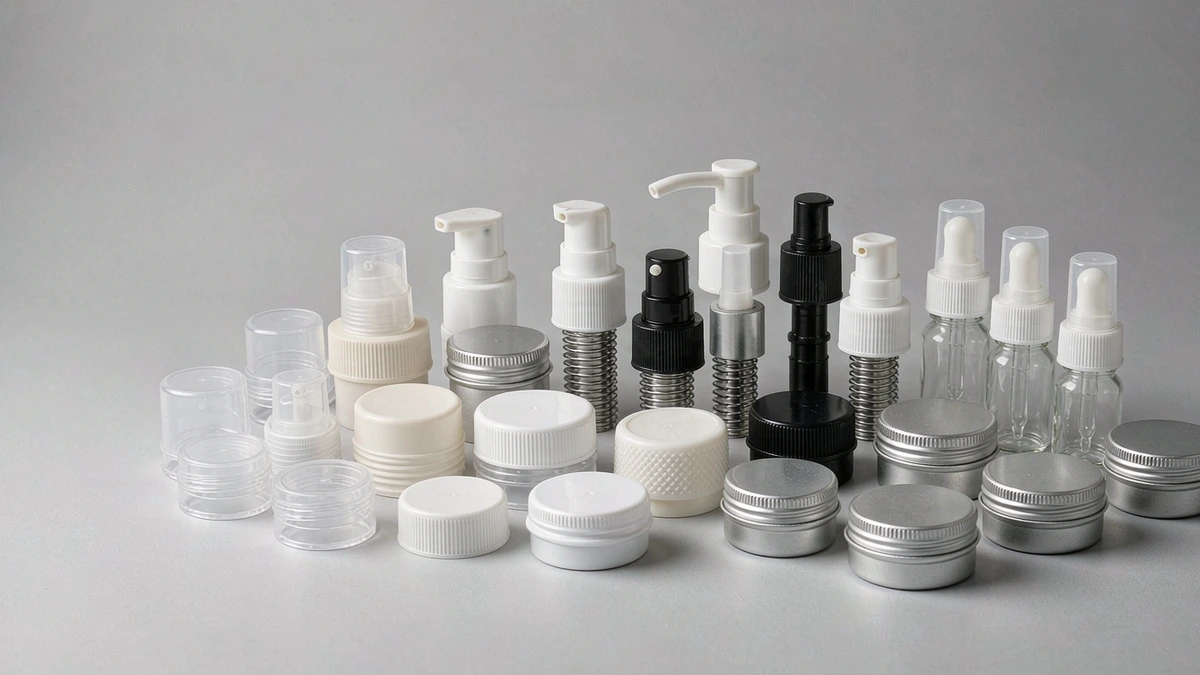
This is the core of the dispenser decision, and it is worth reading our dropper vs pump vs airless comparison before you spec a bottle, because the wrong dispenser can undo an otherwise stable formula. The choice also has to seat the bottle’s neck finish and closure family, which is where actuator compatibility and torque come into play.
Nitrogen Flush and Unit-Dose: When You Need Maximum Protection
For the most labile actives (pure L-ascorbic acid, encapsulated retinol, fresh peptides), even the small air pocket left at fill is worth eliminating. Nitrogen flushing replaces the headspace oxygen with inert nitrogen gas during filling, so the formula ships in an oxygen-free environment. The same logic drives unit-dose or single-dose capsules: each capsule is sealed with little to no air inside, often nitrogen-flushed, and opened immediately before use. The cost is more packaging per gram, but for a premium clinical serum where a few percent of retained potency is the entire selling point, that trade is often worth it.
In airless systems, nitrogen can also back up the vacuum, and barrier layers such as EVOH in a tube wall raise the oxygen barrier of the contact surface itself. These are formulation- and supplier-specific options, so confirm what is actually available for your SKU rather than assuming.
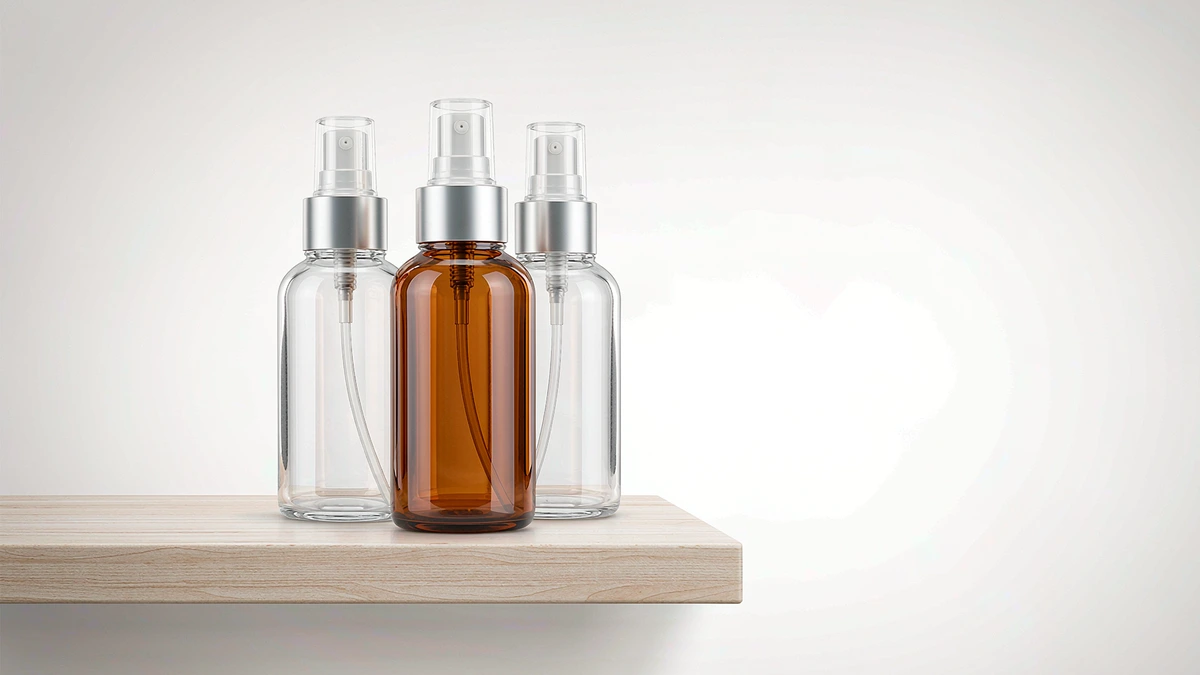
Matching Protection to the Active (and Avoiding Over-Engineering)
The mistake on this axis is to either under-protect a fragile active or over-engineer a stable one. A practical rule: if your headline active is vitamin C, retinol, a peptide, or a delicate botanical oil, default to airless with an opaque or amber wall. If only light is the concern, amber or cobalt glass with a low-air dispenser is enough. If the formula is anhydrous (a wax balm, a solid, a low-active emulsion), a standard pump or even a well-preserved jar is usually fine, and spending on airless buys little.
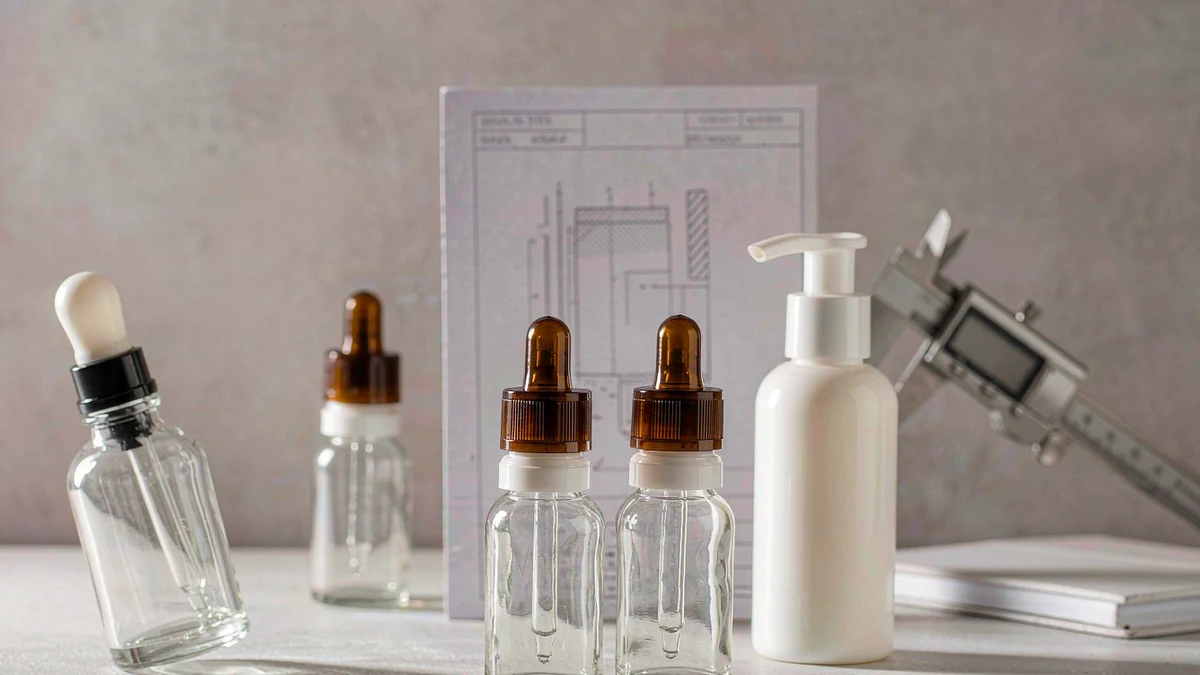
Two cautions before you commit. First, material compatibility is formula-dependent: essential oils and some solvents can cloud or degrade certain plastics, and a formula’s pH can corrode the metal spring inside a pump. Run a documented compatibility test on the actual formula and the actual package before the production run. Second, mind the economics: airless and barrier options carry a higher unit cost and often a different minimum order quantity, so plan volume and budget with our MOQ guide. For a serum-specific starting point, our guide to choosing serum packaging connects these protection choices to bottle and dispenser selection.
Need an Airless or Opaque Package for Your Active?
Send us your formula’s most labile active, target viscosity, and volume. We will match the bottle material, dispenser, and minimum order quantity to your stability risk, and confirm which barrier and nitrogen-flush options we can document per SKU.
FAQ
Which cosmetic ingredients are most sensitive to oxygen?
The high-value actives are the most vulnerable: L-ascorbic acid (vitamin C), retinol and retinoids, peptides, ferulic acid and other antioxidants, and the oils or botanical extracts in natural formulas. Oxygen browns vitamin C, breaks down retinol and peptides, and rancidifies oils, reducing both efficacy and shelf life.
How does an airless pump stop oxidation?
An airless pump dispenses through an internal vacuum or piston instead of a dip tube, so no atmospheric air is drawn into the chamber when you press it. The remaining formula stays sealed away from oxygen and airborne microbes from first use to last, which is why airless is the standard for vitamin C and retinol serums.
Is an amber or cobalt bottle enough on its own?
Amber and cobalt glass block the most damaging UV wavelengths, which protects light-sensitive actives, but they do not stop air exposure. Because retinol and ferulic acid are damaged by both light and air, pair amber or opaque packaging with a low-air dispenser such as an airless pump for full protection.
Are dropper bottles bad for oxidation-sensitive formulas?
Droppers are weaker than pumps for these formulas because each use pulls air into the headspace and the bottle is repeatedly uncapped. They work for short-shelf-life, high-alcohol, or robust-preservative products, but a retinol or pure-C serum used over months is better in an airless or at least a pump dispenser.
What should I confirm with Venturove before ordering airless or barrier packaging?
Stock availability of airless and opaque or amber options, any nitrogen-flush or EVOH barrier capability at partner factories, per-SKU MOQ, and compatibility documentation for your specific viscosity and pH all vary by SKU and market, so we confirm those per inquiry. Share your formula and volumes through our contact page, and for volume planning see our MOQ guide.