
Aluminum Cosmetic Packaging: Tins, Jars & Bottles for Modern Brands

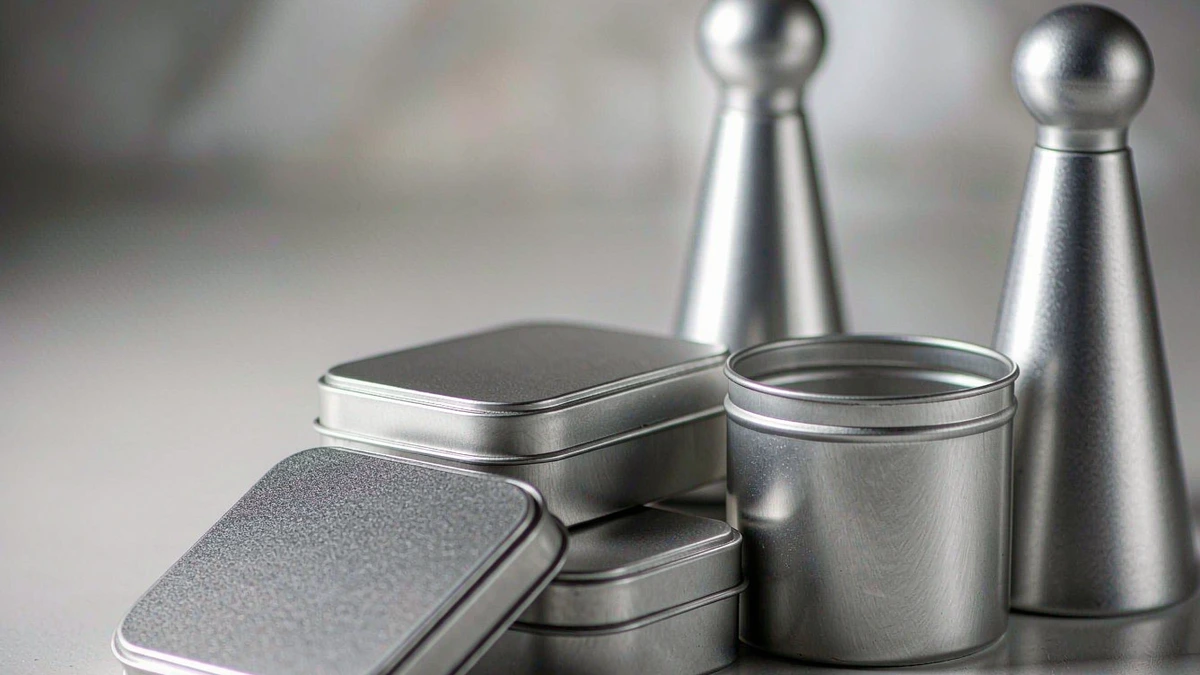
Aluminum has quietly become one of the most useful materials in cosmetics packaging. It is not trying to replace glass or plastic. It solves a specific set of problems: total light and air blockage, low shipping weight, and an infinitely recyclable story that resonates with eco-minded buyers. This guide explains where aluminum fits, where it fails, and what you must verify before committing a formula to a metal container.
Key Takeaways
If you only remember a few points, make them these:
- Aluminum blocks light, air, and moisture almost completely, which protects preservative-free, waterless, and light-sensitive formulas better than most plastics.
- It is light and endlessly recyclable: you can ship roughly three times as many aluminum bottles as glass for the same freight cost, and recycled aluminum uses about 95% less energy than virgin metal.
- Bare aluminum reacts with many formulas, so the inner lining, not the metal shell, is the component that actually protects your product.
- Aluminum is opaque and dents easily, which makes it a poor fit for products that sell on visible color or need to show remaining volume.
- Match the lining to the formula: epoxy-phenolic for acids, alcohol, and essential oils; BPA-free polyester for mild, water-based, neutral-pH products.
Why Brands Reach for Aluminum
The appeal starts with the barrier. Aluminum is essentially opaque to light, gas, and water vapor. For anhydrous balms, solid perfumes, and natural formulations that skip or minimize preservatives, that sealed environment slows oxidation and extends real-world shelf life. A glass vs plastic overview helps frame where each material wins, but aluminum occupies a distinct corner: protection without the weight penalty of glass.
Weight is the next reason brands switch. Glass feels premium in the hand yet costs real money to move and breaks in transit. Aluminum gives you a durable, unbreakable shell at a fraction of the logistics load. For brands shipping direct to consumers or building refill programs, that difference shows up directly in freight bills and damage claims.
The sustainability angle closes the case for many buyers. Aluminum can be recycled indefinitely without loss of quality, and the recycling loop is genuinely efficient. That story is easy for customers to understand, which is why aluminum appears so often in clean and eco positioned lines.
The Lining Is the Real Product
This is the part most first-time buyers miss. Raw aluminum is not inert to cosmetics. Acidic products (pH below about 4.5, such as AHA/BHA toners or vitamin C serums), essential-oil terpenes (limonene, linalool), and high-alcohol formulas can corrode unprotected aluminum. The failure modes are ugly: discoloration, off-odors, pitting, pinholes, and eventually leakage.
The solution is an internal coating sprayed onto the bottle or jar interior and cured at high temperature. Two families dominate:
- Epoxy-phenolic (interior often shows a slight golden tint): strong resistance to acids, alcohol, and essential oils. This is the workhorse for aggressive formulas.
- BPA-free polyester (clear interior): suited to mild, water-based, neutral-pH products and clean-beauty positioning.
Coating thickness, cure degree, and adhesion are engineering parameters a serious supplier controls and can document. If you are evaluating aluminum, ask for the lining type and, more importantly, for compatibility test data on your actual formula, not a water simulant.
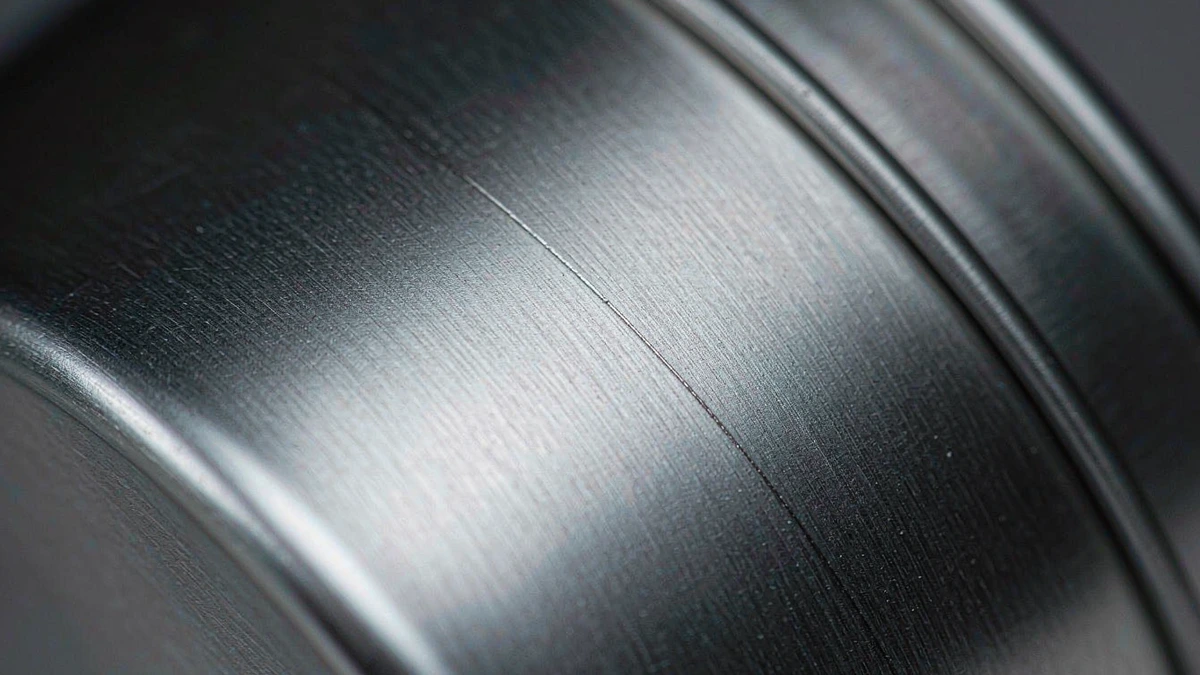
Picking the wrong lining is the fastest way to ruin a launch. A BPA-free label alone tells you nothing about acid resistance. Match the resin system to your pH, alcohol percentage, and essential-oil load, then verify with accelerated storage testing before you commit to a production run.
Aluminum vs Glass vs Plastic: A Practical Comparison
No single material wins. The right choice depends on formula chemistry, brand positioning, and how the product travels.
| Factor | Aluminum | Glass | Plastic (PET/PP/PCR) |
|---|---|---|---|
| Light & air barrier | Excellent (opaque) | Excellent (inert) | Varies; some gas migration |
| Weight / freight | Very light | Heavy | Very light |
| Breakage risk | Dents, no shatter | Shatters | Deforms, no shatter |
| Product visibility | None (opaque) | Full clarity | Full or tinted clarity |
| Recyclability | Infinite, high value | Infinite | Fragmented, downcycled |
| Formula caution | Needs inner lining | Inert, but UV care needed | Compatibility testing needed |
If your formula is light-sensitive, bottle color and UV protection becomes the relevant lever for glass and tinted plastic, while aluminum simply removes light from the equation. For premium serums and oils, glass remains the default; for mass-market and wet-zone products, recycled plastic is often the pragmatic pick.
Choosing the Right Aluminum Format
Aluminum ships in several formats, and the format should follow the product texture:
- Tins (slip-lid): the classic home of balms, solid perfumes, beard balms, and sample pots. Wide opening, finger access, low cost.
- Jars (screw lid): better for thicker creams and masks where a tighter, resealable closure matters.
- Bottles (pump, mist, or screw cap): used for lotions, body mists, sunscreens, and essential-oil sprays. Bottle-to-closure fit is critical, so review neck finish and cap matching before specifying.
- Tubes (collapsible or laminate aluminum): efficient for gels, cleansers, and hand creams, with near-total product evacuation.
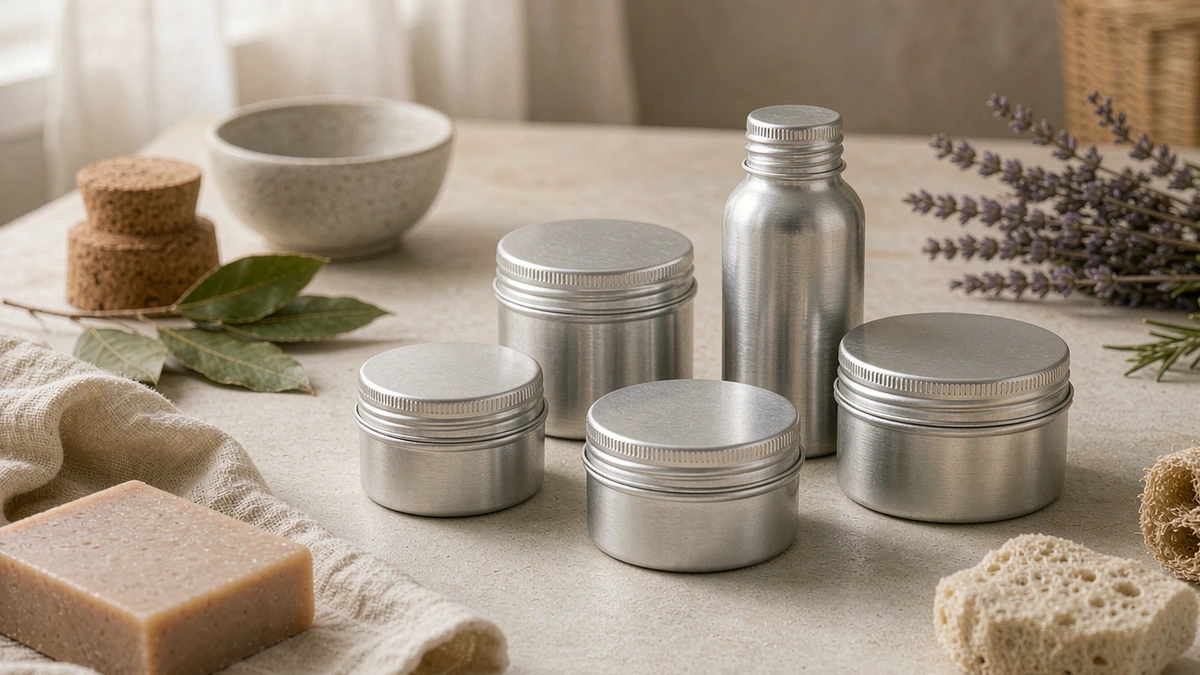
For dispensing, an airless pump keeps oxygen out of sensitive formulas, while a fine-mist sprayer suits toners and setting mists. Aluminum bottles can carry either, provided the closure and lining are specified together as one system.
When Aluminum Is the Wrong Call
Be honest about the downsides. Aluminum is opaque, so customers cannot see shade, texture, or how much remains. If your product sells on color (a vivid clay mask, a tinted serum), metal hides the very thing that converts. It also dents: a small impact that would merely scuff plastic can leave a permanent mark that reads as damaged on a shelf or in a parcel.
Unlined or wrongly lined aluminum with an acidic or high-EO formula is a reliability risk, not a design choice. And if child-resistance is a regulatory requirement for your market, plan the closure deliberately with CRC caps rather than assuming a standard aluminum lid qualifies.
Sourcing and Compatibility Checklist
Before you order, walk through this short list with any supplier:
- Share your full ingredient list, pH, alcohol percentage, and essential-oil content.
- Confirm the lining type and request compatibility test results on the real formula.
- Decide between epoxy-phenolic and BPA-free polyester based on formula aggression.
- Specify decoration (anodizing, color coating, screen print, label) and confirm it survives handling.
- Ask for MOQ, lead time, and carton protection against dents, because aluminum needs it more than plastic does.
Treat the container, closure, lining, and decoration as one system. A beautiful bottle with the wrong lining still fails.
Planning Your Aluminum Packaging Order?
Venturove supplies cosmetic packaging across glass, plastic, and metal formats and can help you match the right aluminum container, lining, and closure to your formula. If you need capacities, lining options, or compatibility guidance, contact our team for a tailored quote.
FAQ
Is aluminum cosmetic packaging better than glass?
Neither is universally better. Aluminum wins on weight, freight, and total light/air blocking, and it never shatters. Glass wins on inertness, clarity, and premium weight feel. Choose based on formula sensitivity, brand positioning, and shipping profile.
Do I always need an inner lining in aluminum bottles?
For most cosmetic formulas, yes. Bare aluminum can corrode when exposed to acids, alcohol, or essential oils, leading to discoloration and leakage. The lining is the actual barrier between product and metal.
What is the difference between epoxy-phenolic and BPA-free polyester linings?
Epoxy-phenolic lining (often slightly golden inside) resists acids, alcohol, and essential oils and suits aggressive formulas. BPA-free polyester lining (clear inside) suits mild, water-based, neutral-pH products and clean-beauty positioning.
Can aluminum packaging be recycled?
Yes. Aluminum is recyclable indefinitely without loss of quality, and producing recycled aluminum uses roughly 95% less energy than virgin aluminum, which makes it a strong sustainability story.
Which products should not use aluminum containers?
Avoid aluminum when the product sells on visible color or texture, when customers need to see remaining volume, or when an acidic or high-essential-oil formula is paired with an unlined or wrongly lined container.