
Glass vs Plastic Cosmetic Packaging: Which Is Better for Your Brand?

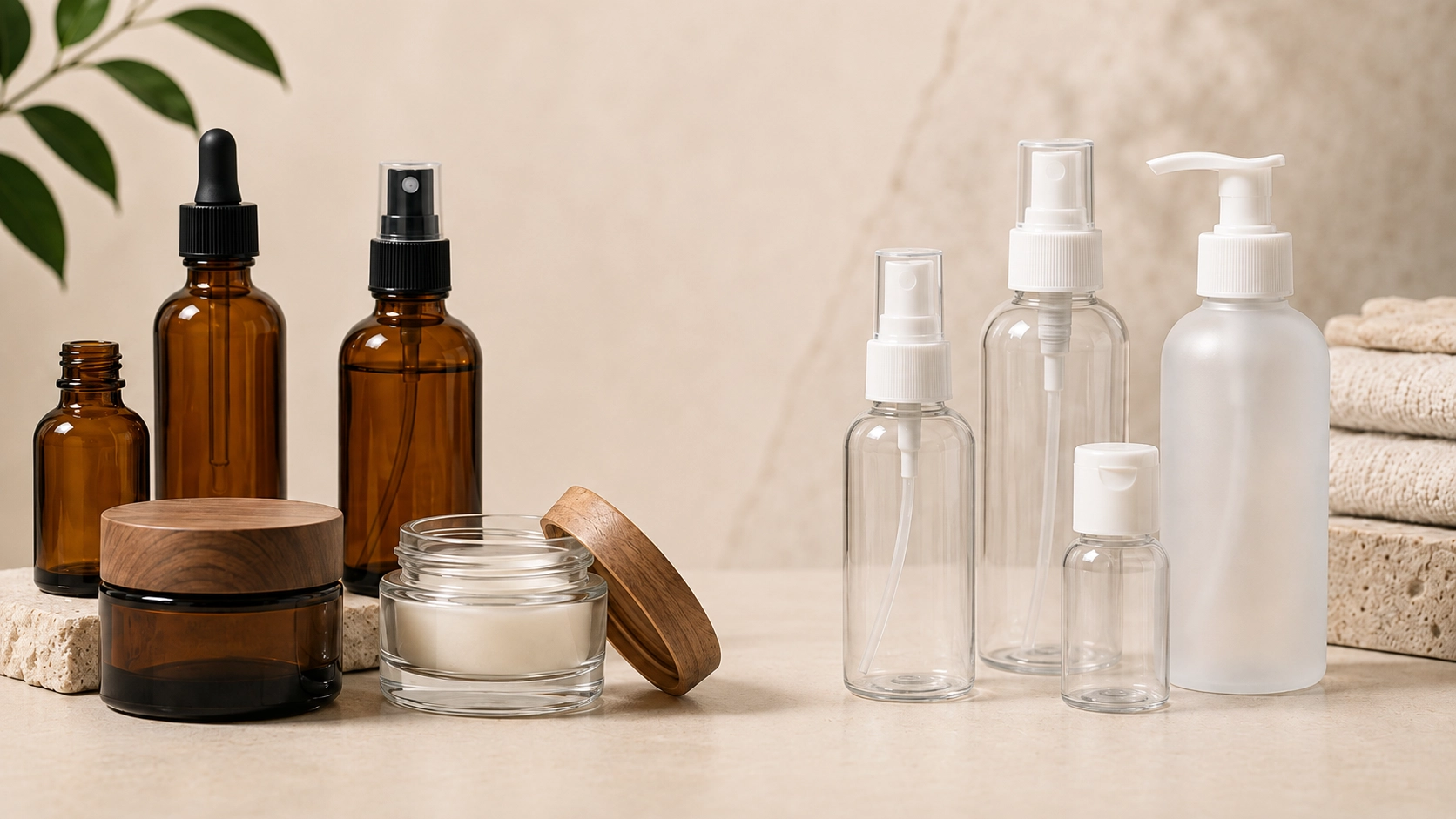
Choosing between glass and plastic cosmetic packaging is not simply a matter of deciding which material looks more attractive. The right choice depends on the formula, dispensing system, target customer, shipping conditions and the experience your brand wants to create.
Glass is often associated with weight, visual depth and premium skincare. Plastic is lighter, more resistant to impact and available in a wider range of shapes and dispensing formats. Neither material is automatically better for every product.
The most reliable way to decide is to work through five factors: formula compatibility, brand positioning, budget, logistics and sustainability.
Glass vs Plastic Cosmetic Packaging at a Glance
| Decision factor | Glass packaging | Plastic packaging |
|---|---|---|
| Brand impression | Often substantial and premium | Can be practical, modern or premium |
| Weight | Heavier | Lighter |
| Drop resistance | Can chip or break | Generally more impact-resistant |
| Barrier performance | Strong barrier properties | Depends on resin and package design |
| Design flexibility | More limited shapes | Broad range of shapes and formats |
| Shipping | Requires more protection | Easier and lighter to transport |
| Common uses | Serums, oils, fragrances, premium creams | Sprays, travel sizes, body care, larger formats |
This comparison is only a starting point. A package must be assessed as a complete system, including the bottle or jar, pump, cap, liner, decoration and product formula.
1. Begin With Formula Compatibility
The formula should be the first filter in any packaging decision.
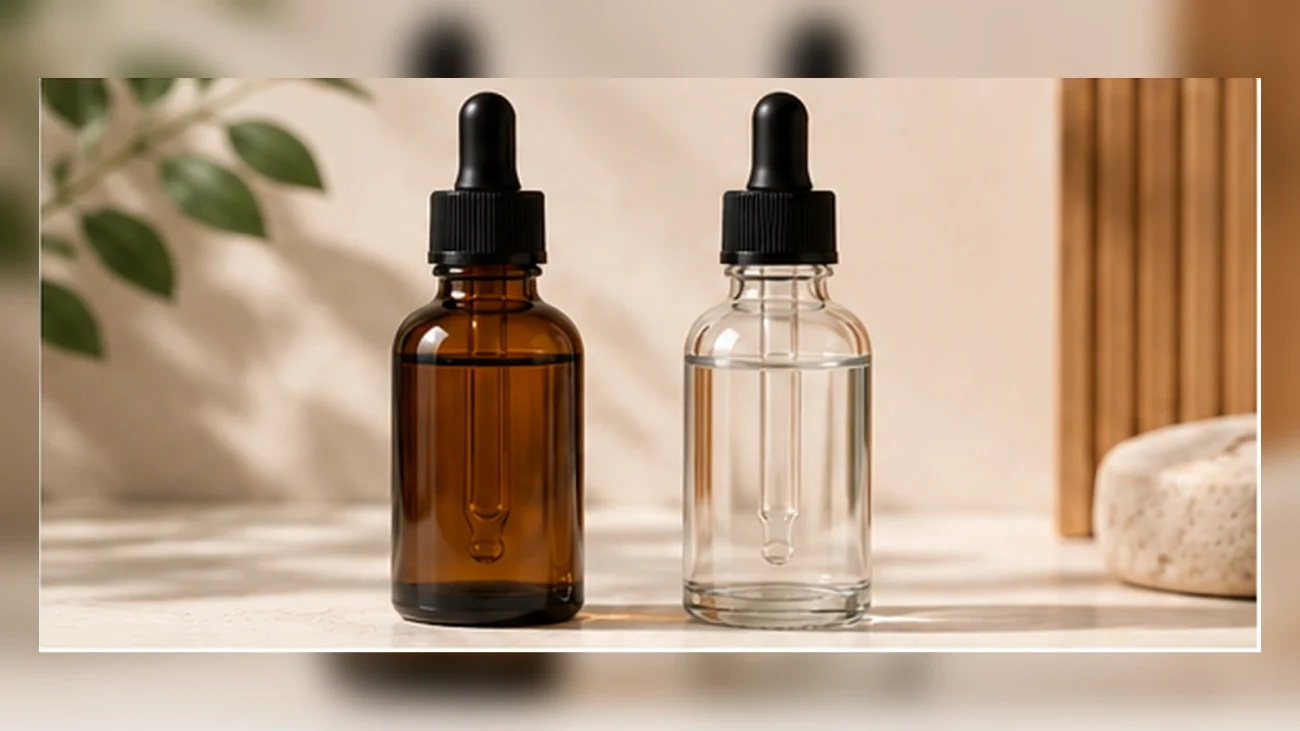
Glass is nonporous and has low interaction with many cosmetic formulations. It is commonly considered for essential oils, concentrated serums, fragrances and products that benefit from a strong barrier. Amber glass may also help reduce light exposure, although the required level of protection should be confirmed through product testing.
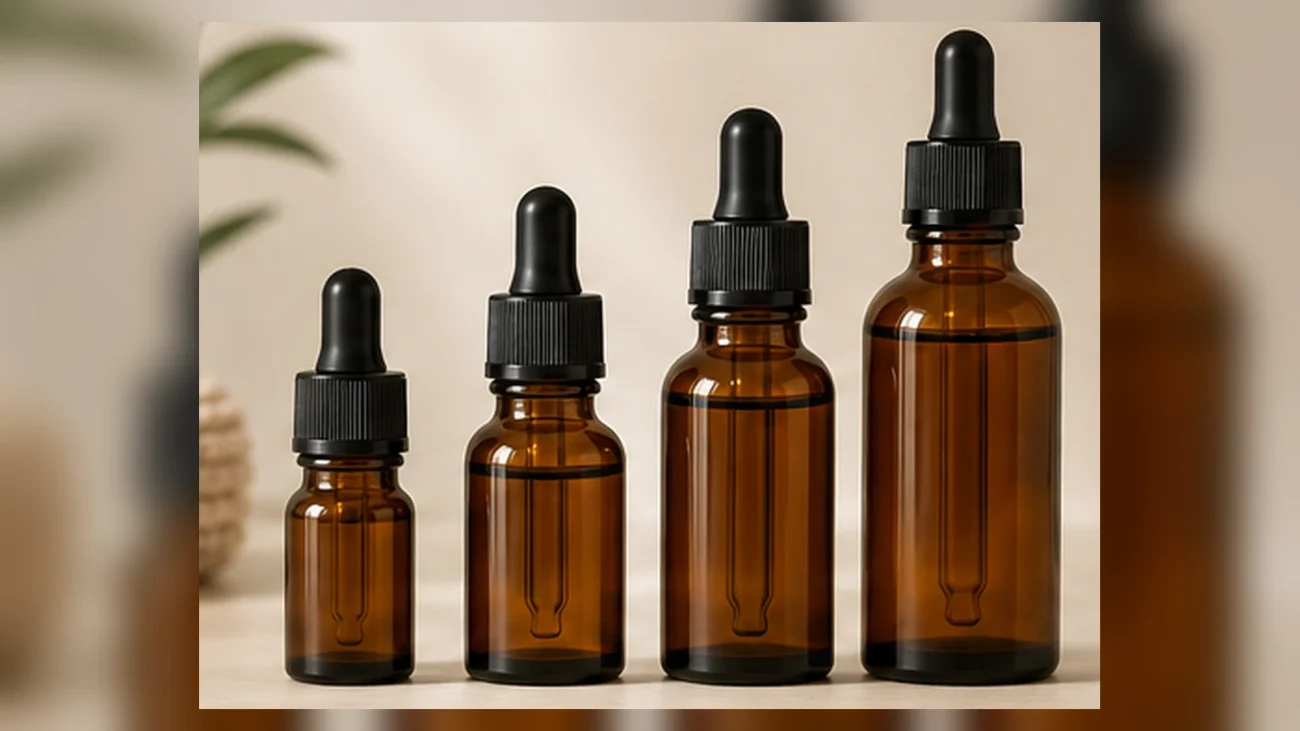
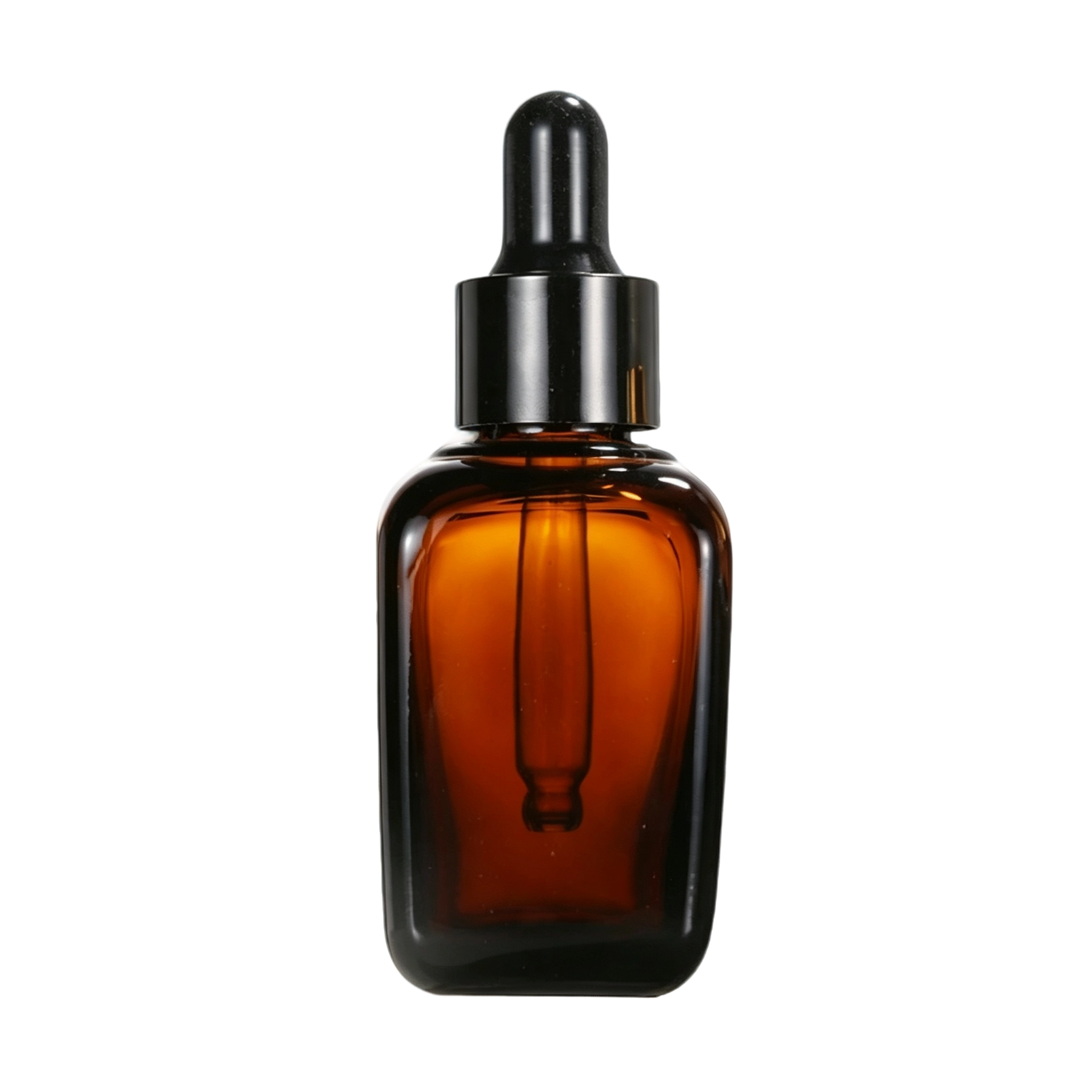
Venturove’s amber square glass dropper bottles are available in several capacities and use a dropper closure, making them relevant options to evaluate for oils and concentrated skincare formulas. Brands that prefer pump or spray dispensing can also review amber square glass bottles with pump options.
Plastic performance varies by resin, wall thickness and closure system. PET is widely used for liquid personal-care and spray products because it is lightweight, clear and resistant to everyday handling. PP is frequently used for caps and sprayers.
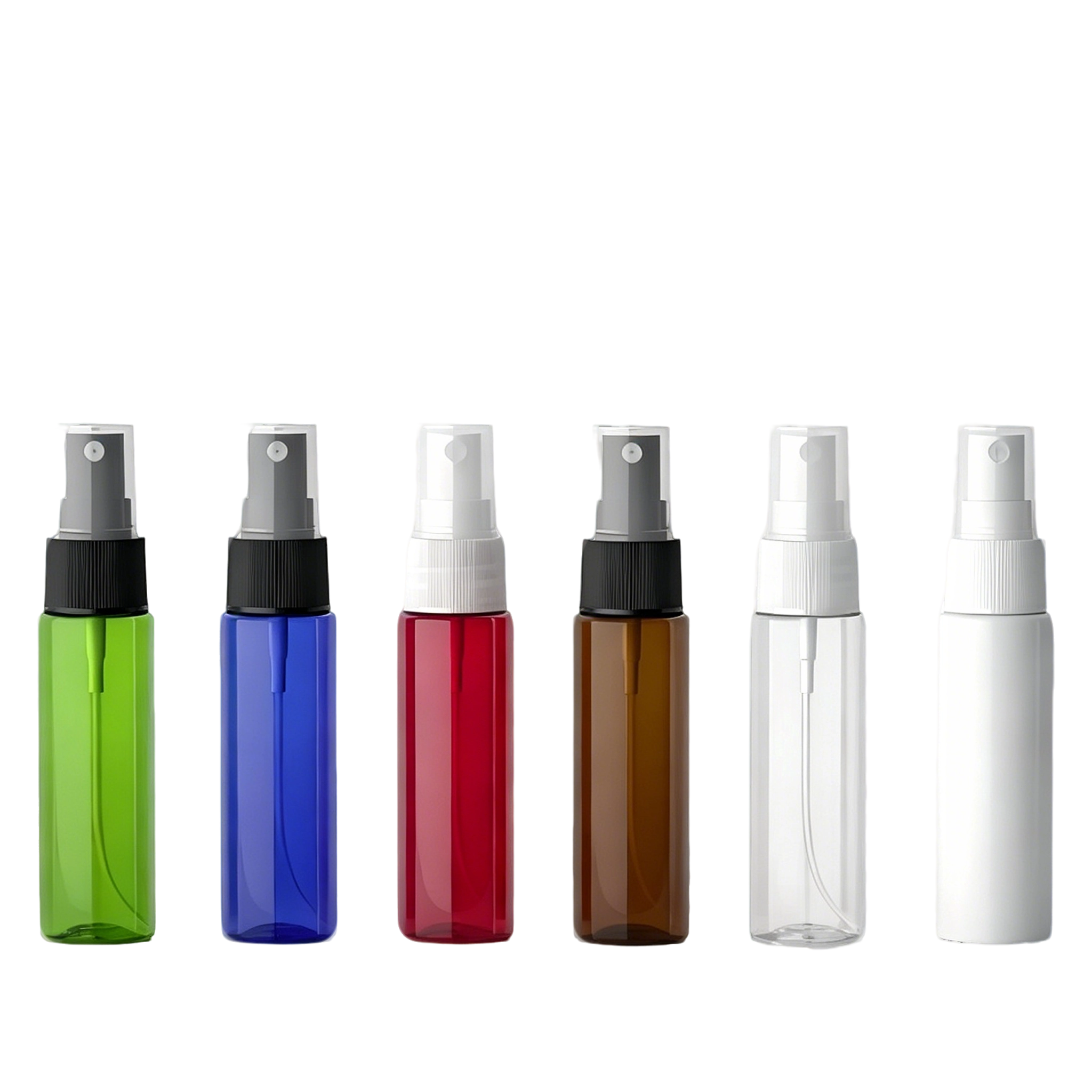
Venturove’s 30 ml PET fine-mist spray bottles illustrate a compact plastic format for facial mists, travel products and sample-size launches.
Material names alone do not guarantee compatibility. Brands should test the actual formula in the final container and closure, checking for leakage, discoloration, odor changes, weight loss, paneling and dispensing performance.
2. Match the Package to Your Brand Positioning
Packaging communicates before the customer opens the product.
Glass has rigidity, weight and a tactile quality that often supports premium skincare, aromatherapy and gift-oriented positioning. Amber, clear or frosted surfaces can create very different visual effects. Decorative closures can add warmth or refinement.
For example, Venturove’s multi-size glass cream jars with wood-grain lids provide a reference for brands seeking a natural, spa-inspired or premium cream package.
Plastic should not automatically be treated as a low-end choice. Clean proportions, consistent color, controlled transparency and a suitable sprayer or pump can create a modern and professional result. Plastic may be especially appropriate for active-lifestyle products, travel formats, shower products and items customers carry frequently.
The better question is not “Which material looks more expensive?” It is “Which package supports the way customers will use and value the product?”
3. Balance Budget, Order Size and Development Risk
For a new beauty brand, packaging must support cash flow as well as brand identity.
Glass usually adds shipping weight and may require additional protective packing. Custom molds, decoration and specialized closures can increase development complexity. Plastic often offers lower freight weight and a wider selection of ready-made shapes, although custom colors, molds and surface treatments still affect cost and minimum quantities.
A startup does not always need a fully customized package for its first launch. An existing bottle or jar can be combined with carefully chosen colors, closures and labels. This approach allows the brand to test demand before investing in a more customized system.
Venturove serves B2B sourcing projects while also supporting sample and smaller trial requirements. Pricing, minimum quantities, decoration options and schedules should always be confirmed for the selected product rather than inferred from a general material comparison.
4. Include Shipping in the Decision
Shipping can change the economics of an otherwise attractive package.
Glass adds freight weight and needs protection from impact. Dividers, sleeves, molded trays or stronger cartons may be required. Breakage risk should be considered during international transport, fulfillment, retail handling and daily customer use.
Plastic reduces shipping weight and is less likely to break when dropped. This can make it practical for e-commerce, travel sizes, salons and larger-volume body-care products.
However, lower weight is not enough on its own. Thin walls, an unsuitable closure or poor bottle-and-pump matching can cause leakage, distortion or inconsistent spraying. Evaluate the assembled package rather than the empty container alone.
5. Avoid Oversimplified Sustainability Claims
Both glass and plastic can form part of a sustainability strategy, but neither is automatically sustainable in every configuration.
Glass can be recycled repeatedly where suitable collection and processing systems exist. Its heavier transport weight and protective packaging also need to be considered. Decoration, coatings and permanently attached components may make recovery more difficult.
PET and HDPE bottles are collected in many markets, but actual recycling depends on resin type, color, labels, pumps and local infrastructure. Mixed-material components can reduce the likelihood that the package is successfully sorted.
A practical assessment should consider:
- total package weight;
- amount of material used;
- recycled-content options;
- refill or reuse potential;
- number of materials in the assembled package;
- whether components can be separated;
- local collection systems;
- transport and protective packaging.
Avoid broad claims such as “100% eco-friendly” unless they are supported for the complete package and the markets where it will be sold.
Which Material Fits Different Cosmetic Products?
Serums, facial oils and essential oils
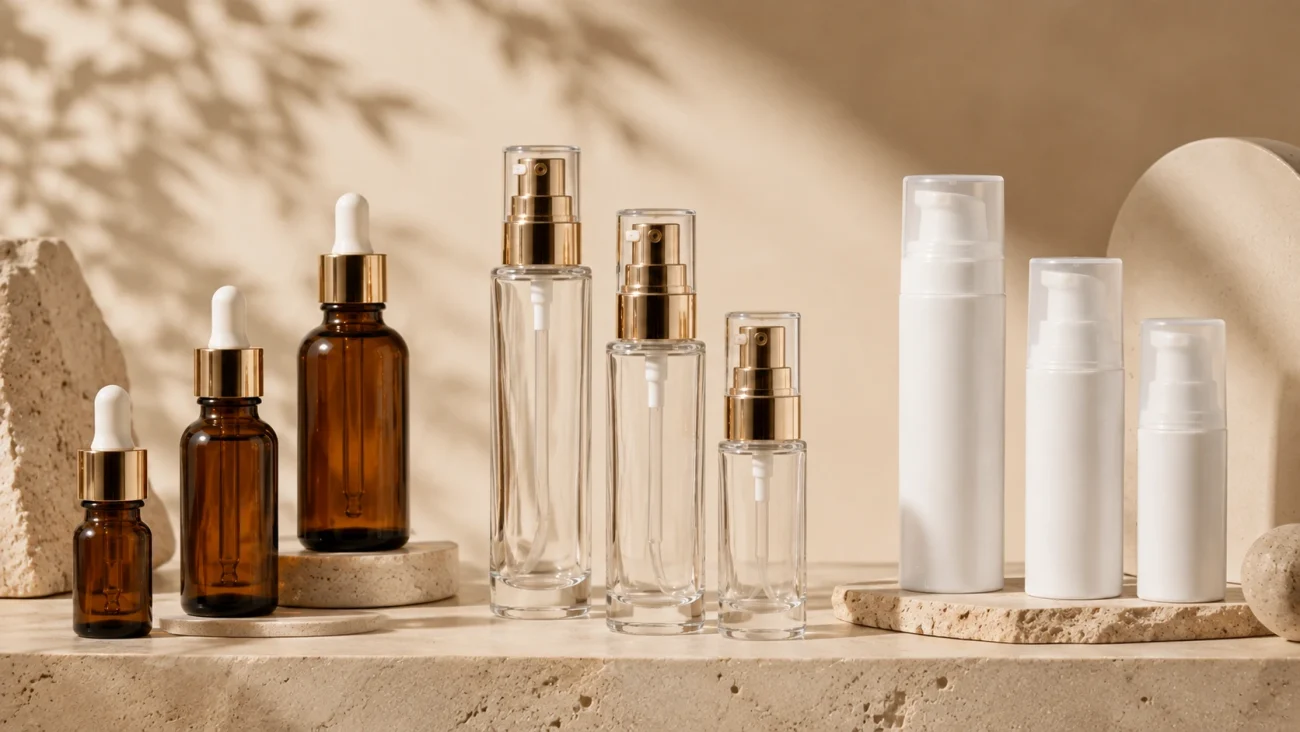
Glass dropper bottles are a common starting point where precise dosing, reduced light exposure or a premium presentation matters. Plastic may be evaluated for travel or impact-sensitive applications, subject to formula testing.
Facial mists and liquid sprays
PET spray bottles can reduce weight and breakage. Check spray quality, dip-tube fit, leakage resistance and formula compatibility.
Creams, balms and masks
Glass jars create a substantial presentation. Plastic jars are easier to transport and may suit larger formats or bathroom use. For either material, assess the liner, inner lid and customer hygiene requirements.
Body care and larger-volume products
Plastic is often practical because of its lower weight, impact resistance and compatibility with pump or squeezable formats. A premium result can still be achieved through proportion, color, finish and closure selection.
A Five-Question Decision Checklist
Before requesting samples, answer these questions:
- Does the formula need protection from light, oxygen or moisture?
- Will customers use the product in a bathroom, while travelling or in another drop-prone setting?
- Does the brand need substantial weight or lightweight convenience?
- How will freight, protective packing and breakage affect the landed cost?
- Can the complete package support the brand’s sustainability claims?
When the answers point in different directions, request both glass and plastic samples and test them with the actual formula. Filled package comparisons are more useful than evaluating material specifications in isolation.
Final Recommendation
Choose glass when formula protection, visual depth and a substantial premium feel are leading priorities, and when the shipping plan can accommodate additional weight and breakage protection.
Choose plastic when low weight, impact resistance, format flexibility and transport efficiency matter more.
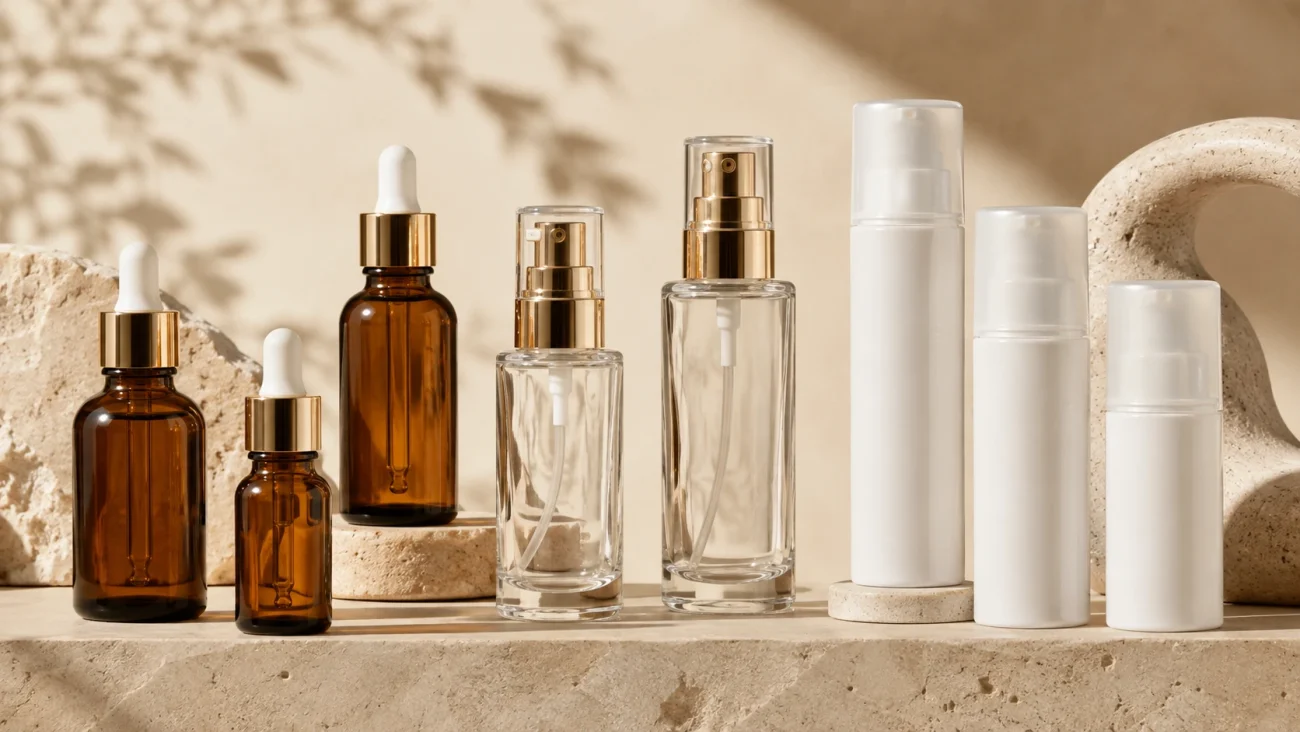
For many brands, the best solution is not a strict glass-versus-plastic rule. A glass bottle may use a plastic pump, while one product range may use glass for concentrated serums and PET for facial mists or larger body-care formats.
Review Venturove’s cosmetic packaging selection guide for more factors, or contact Venturove to compare container, closure and sample options for your formula.
Need Help Choosing the Right Cosmetic Packaging?
Share your formula, target market, preferred material and order quantity with Venturove. We can help you compare suitable bottles, jars, closures and sample options.
FAQ
Is glass always better than plastic for skincare packaging?
No. Glass may suit premium serums, oils and creams, while plastic may be more practical for sprays, travel sizes and products used in drop-prone environments. Formula compatibility and the complete closure system matter more than a general material ranking.
Which cosmetic packaging material is better for shipping?
Plastic is generally lighter and more impact-resistant, which can reduce freight weight and breakage risk. Glass can be shipped safely but normally requires stronger protective packaging and careful handling.
Can plastic cosmetic bottles look premium?
Yes. Proportion, resin clarity, color consistency, surface finish, label design and closure quality all influence the final appearance. Premium positioning does not depend on material alone.
Is glass cosmetic packaging more sustainable?
Glass can be recycled repeatedly, but transport weight, decoration and local recycling availability must also be considered. Sustainability should be assessed across the complete package and supply chain.
Should a startup choose glass or plastic packaging?
Start with the formula, customer, shipping model and budget. Testing existing designs in both materials can reduce development risk before committing to extensive customization.