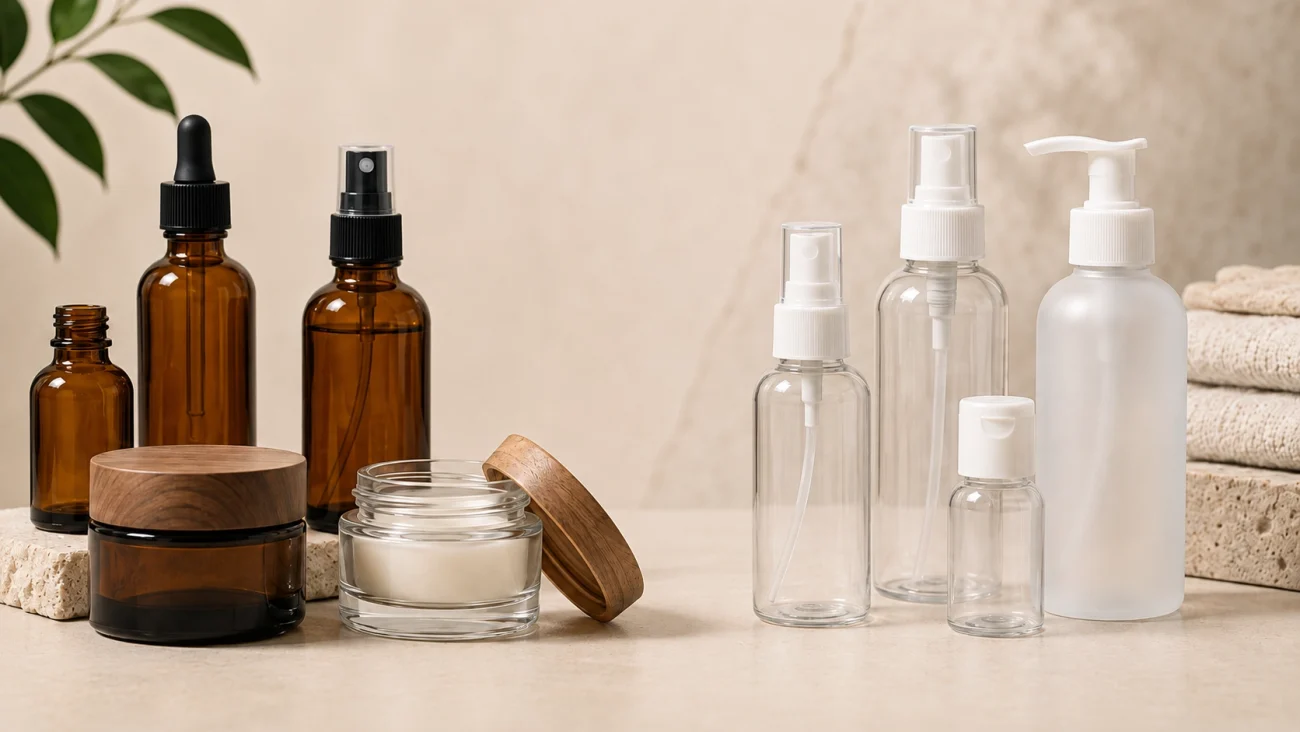

How to Choose Cosmetic Packaging for Serum Products

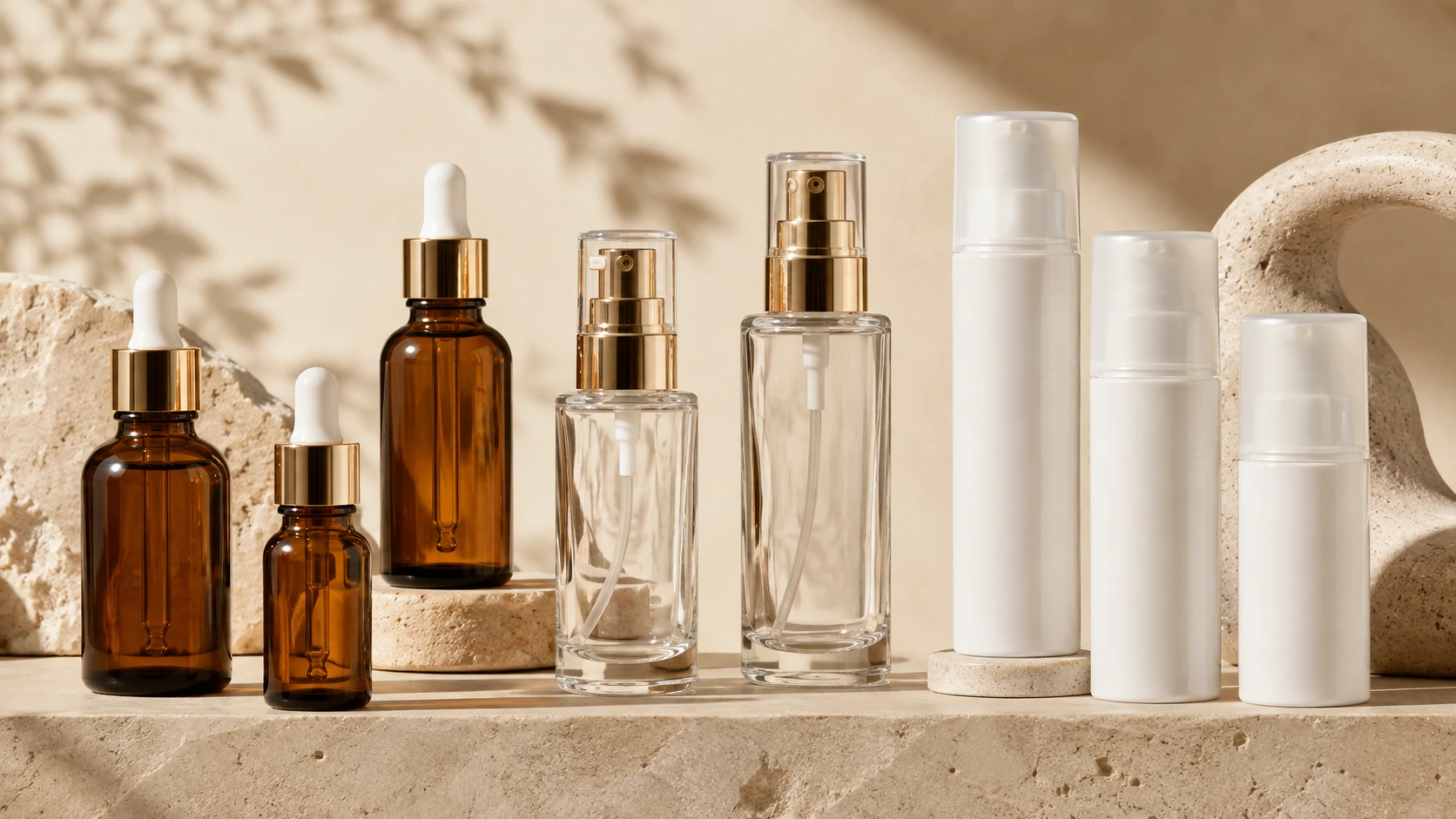
Choosing cosmetic packaging for serum products involves more than selecting an attractive bottle. The package must protect the formula, deliver a suitable dose, support the intended brand positioning and remain reliable during storage and shipping.
A premium glass dropper bottle may suit a concentrated facial oil, while an airless bottle may be more appropriate for a sensitive water-based formula. A lightweight plastic pump bottle can also be a practical choice for travel sizes, e-commerce orders or products intended for frequent use.
The best decision starts with the serum formula and then considers dispensing, material, light protection, logistics and customer experience.
1. Understand the Main Serum Packaging Types
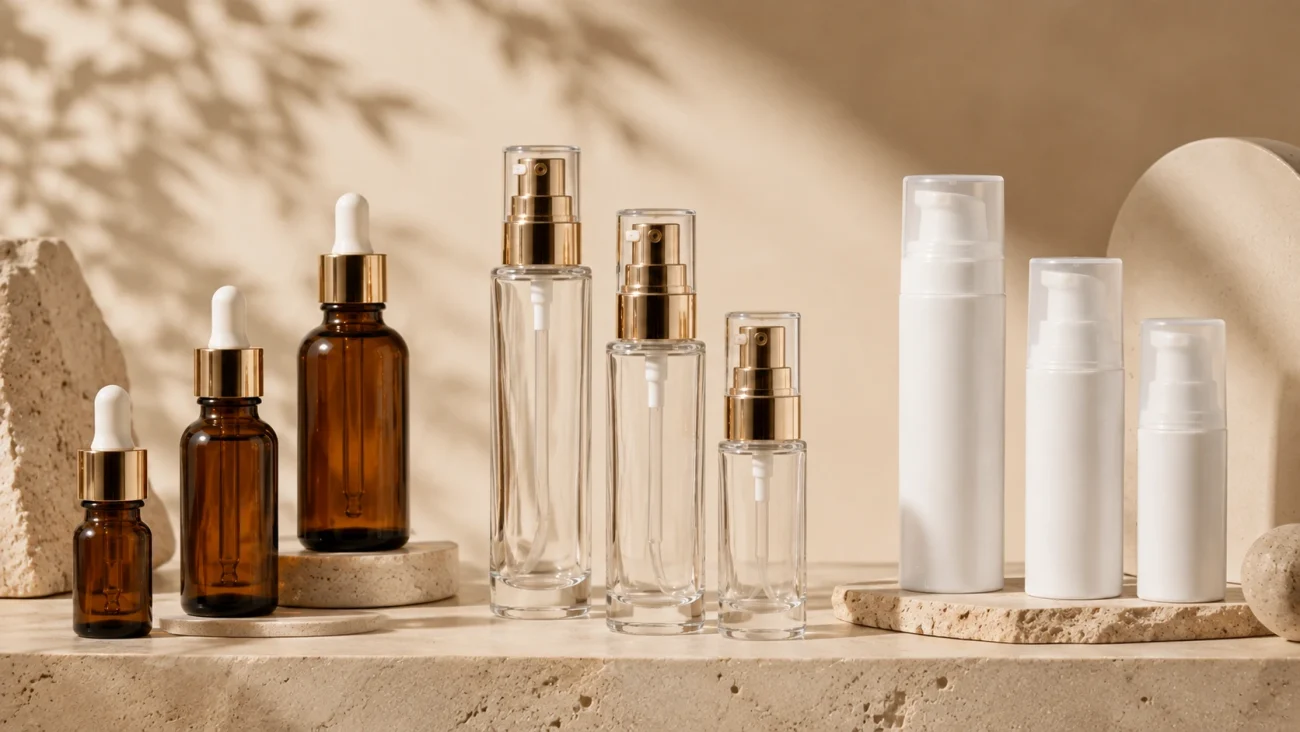
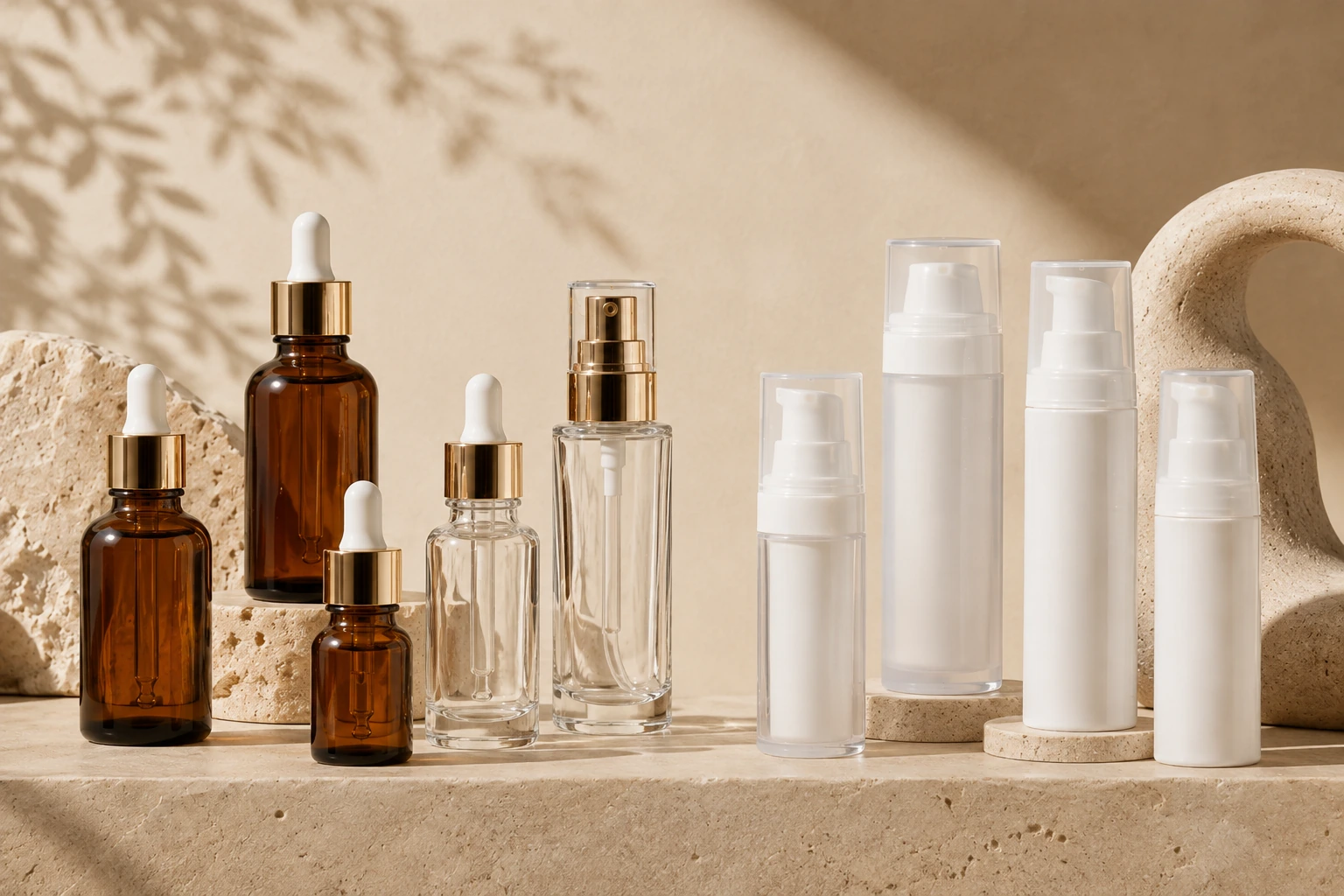
Serums are commonly packaged in dropper bottles, pump bottles or airless containers. Each format creates a different user experience and provides a different level of formula protection.
Dropper Bottles
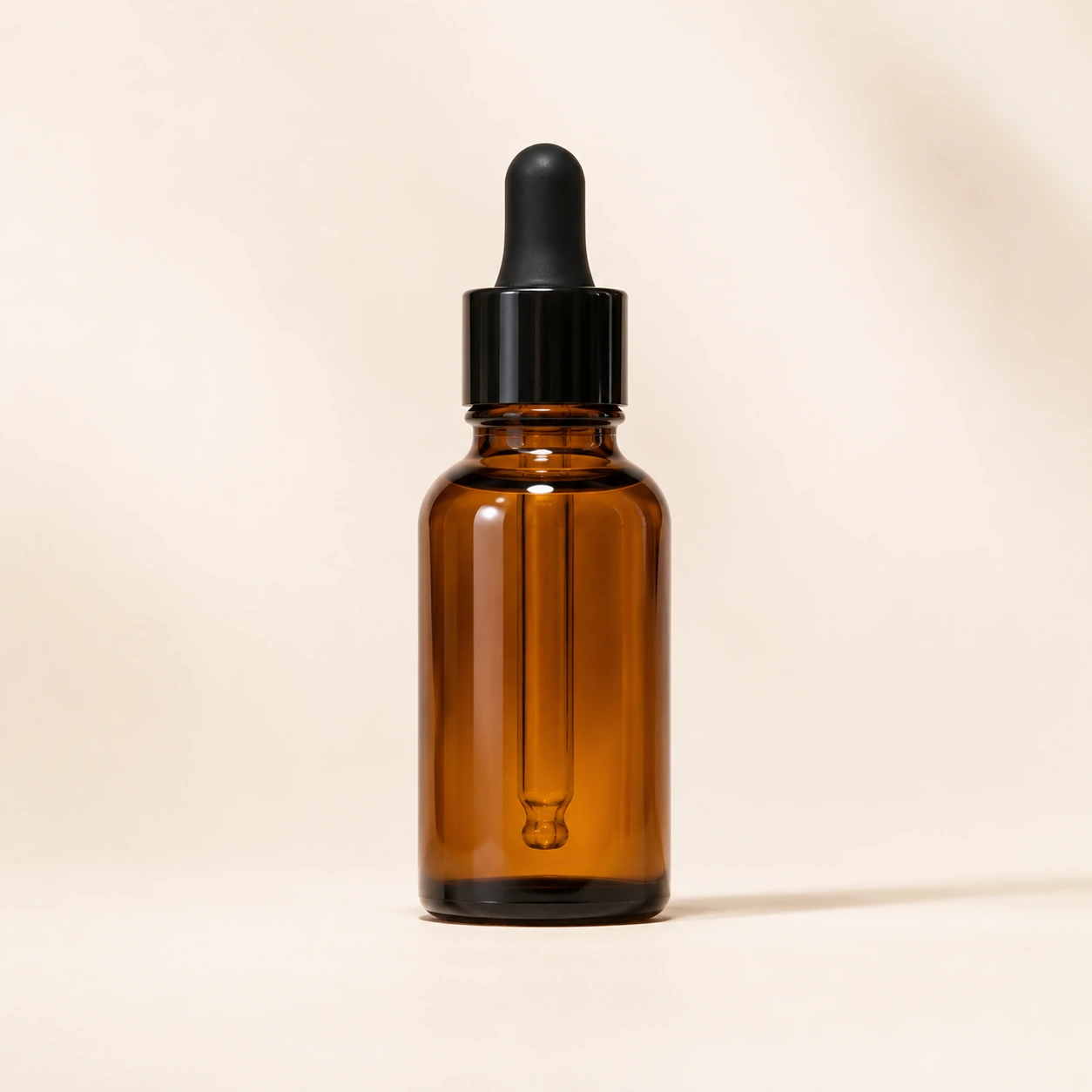
Dropper bottles are widely used for facial serums, essential oils and concentrated skincare formulas. They allow the customer to control the amount dispensed and are often associated with premium skincare.
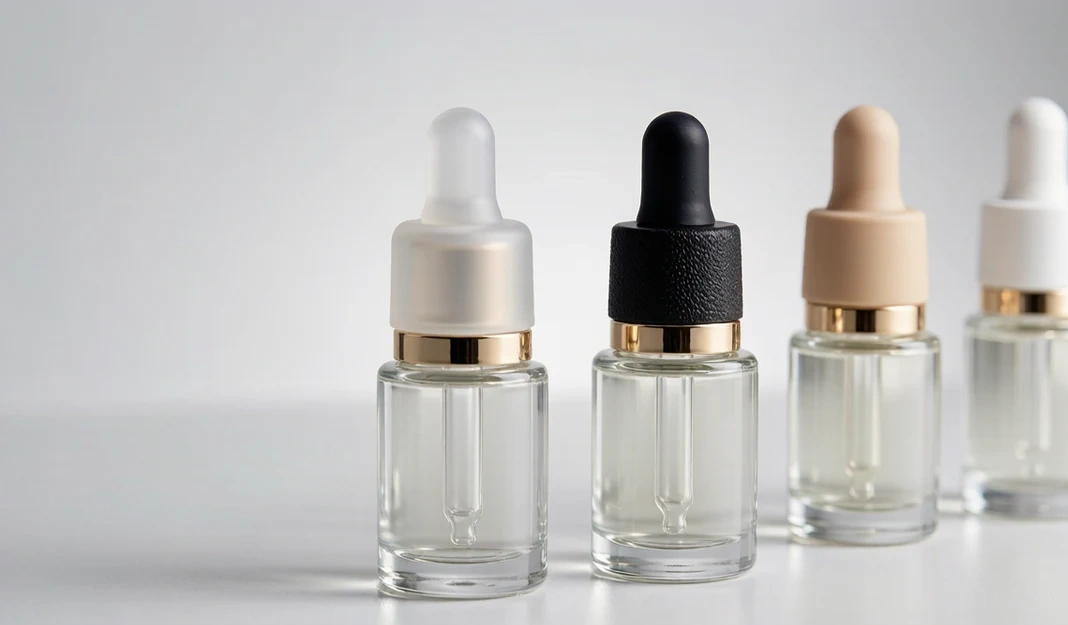
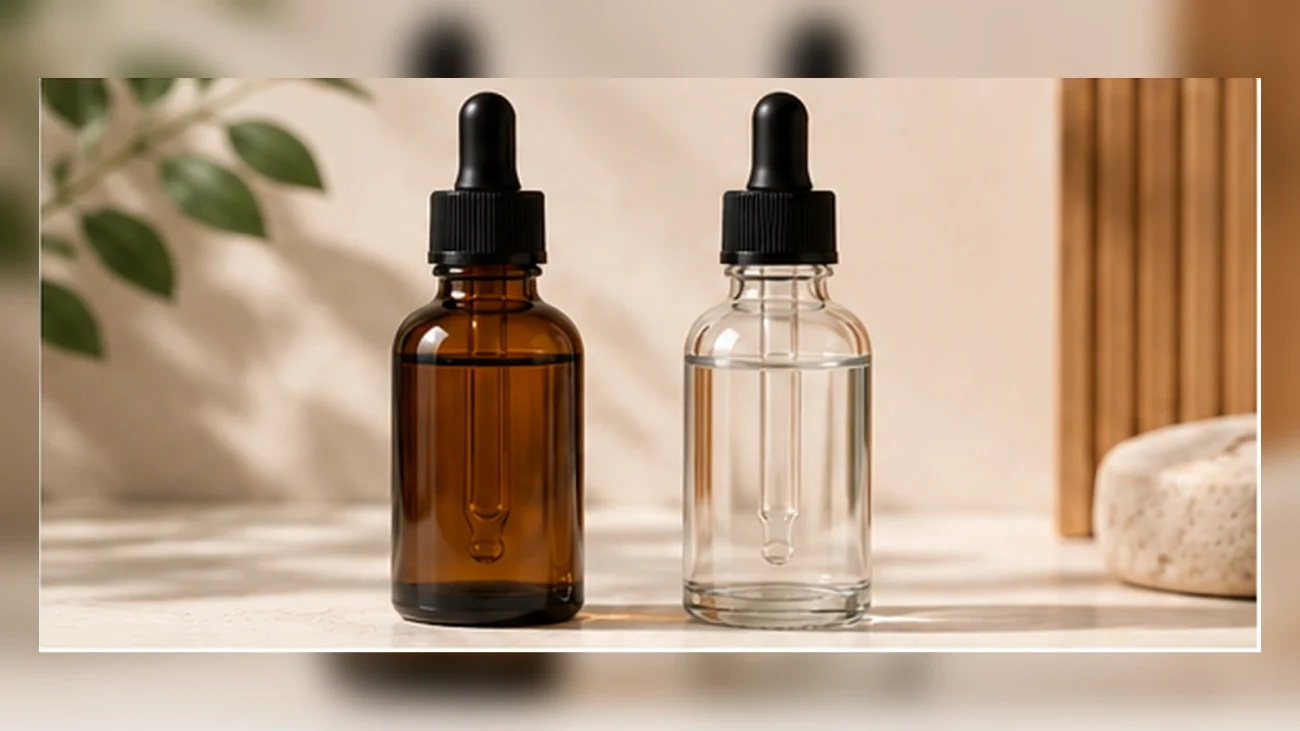
Glass dropper bottles are available in clear, amber, frosted and decorated finishes. Amber glass is frequently considered for formulas that may require reduced light exposure.
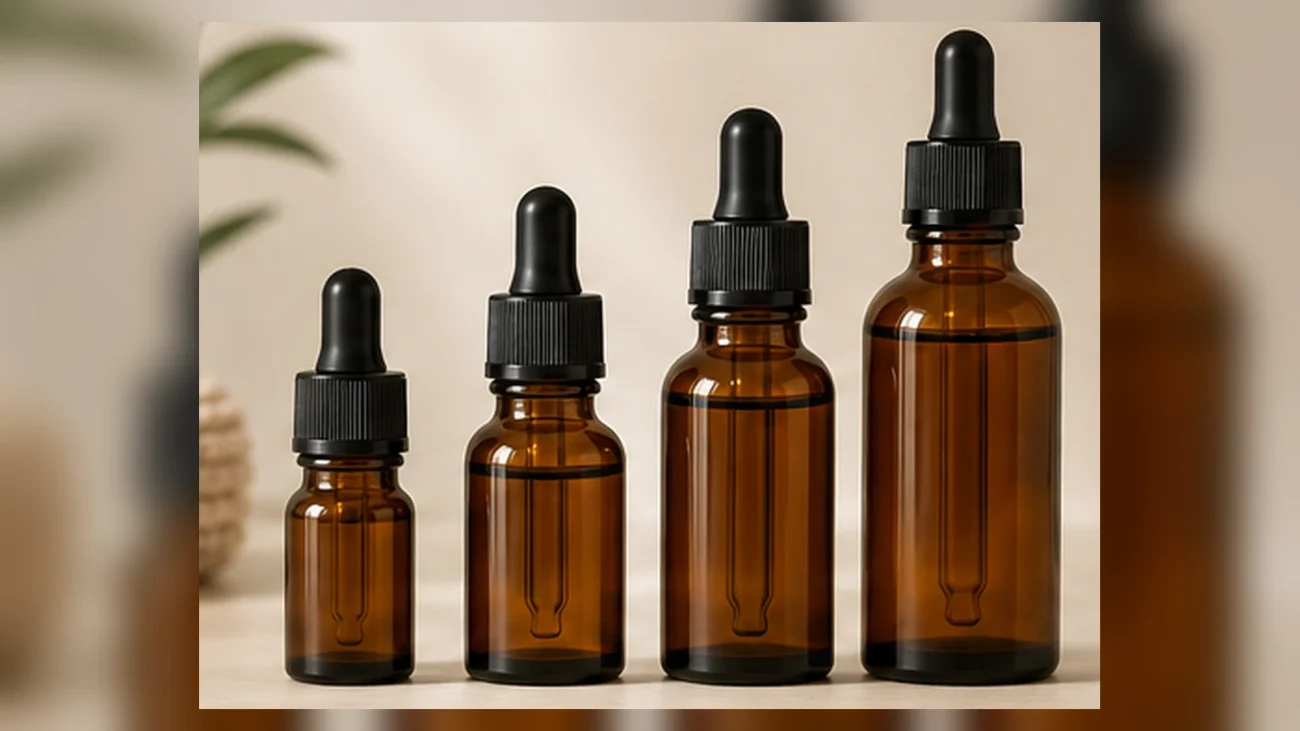
Venturove’s amber square glass dropper bottles are available in multiple capacities and can be evaluated for concentrated serum, oil and sample-size applications.
Dropper bottles may not suit every formula. Product viscosity, dropper fit, bulb material and neck finish should be tested together. A formula that is too thick may dispense slowly, while a very thin formula may be difficult for customers to control.
Pump Bottles
Pump bottles provide convenient, repeatable dispensing and reduce the need for direct contact with the product. They are commonly used for lightweight serums, daily skincare products and formulas designed for quick application.
A pump system should be selected according to the serum’s viscosity and required dose. Buyers should confirm whether the pump delivers a suitable amount per stroke and whether the bottle, closure and dip tube work together without leakage.
Brands considering glass packaging with pump or spray closures can review Venturove’s amber square glass bottles with pump options.
Airless Bottles
Airless packaging uses a mechanical dispensing system that limits repeated exposure to external air during use. It is often evaluated for formulas containing sensitive active ingredients or products that need more controlled dispensing.
Airless bottles can also help customers use more of the product because the internal platform moves upward as the formula is dispensed. However, the formula must be compatible with the airless mechanism. Very thick, highly fluid or particle-containing products may require a different pump specification.
The word “airless” should not be treated as a guarantee of unlimited product stability. Formula testing and packaging validation are still required.
2. Match the Package With the Serum Formula
Formula compatibility should be checked before color, decoration or branding decisions.
A serum package consists of more than the bottle. The complete system includes the container, pump or dropper, gasket, liner, dip tube, decorative coating and any materials that contact the formula.
Different formulas may create different packaging requirements.
Water-Based Serums
Water-based serums are often used with pumps, droppers or airless systems. Buyers should assess leakage, microbial protection requirements, pump performance and potential interaction with closure components.
Oil-Based Serums
Oil-based formulas are frequently packaged in glass dropper bottles. The dropper bulb, pipette and closure materials should be tested because oils and fragrance components may interact differently with different materials.
Vitamin C and Retinoid Products
Formulas containing ingredients that may be sensitive to light or oxygen often require additional protection. Amber glass, opaque plastic, airless dispensing or secondary cartons may be considered, depending on the actual stability requirements.
Packaging alone cannot correct an unstable formula. Stability testing should be completed using the final formula and the final package.
Acid and Botanical Formulas
Products containing exfoliating acids, botanical extracts or high levels of fragrance should be evaluated carefully. Buyers should check for discoloration, swelling, cracking, odor changes, leakage and changes in dispensing performance.
Material names such as glass, PET or PP provide a starting point, but they do not replace compatibility testing.
3. Compare Glass and Plastic Serum Packaging
The choice between glass and plastic affects branding, shipping, durability and the customer experience.
Glass Serum Packaging
Glass often supports premium, clinical or natural skincare positioning. It offers visual depth, rigidity and substantial weight. It also provides strong barrier properties for many cosmetic applications.
Glass may be suitable when:
- the brand wants a premium presentation;
- the formula is sold in a small or concentrated format;
- amber or frosted finishes support the product concept;
- additional shipping weight is acceptable.
The main limitations are weight and breakage risk. Glass bottles generally require more protective packaging during international shipping and e-commerce fulfillment.
Plastic Serum Packaging
Plastic packaging is lighter and generally more resistant to impact. It is available in a broad range of shapes, colors and dispensing formats.
Plastic may be suitable when:
- the product is intended for travel or daily use;
- lower shipping weight is important;
- the brand needs a pump or airless format;
- the product is sold through e-commerce;
- a larger capacity is required.
Not all plastics perform in the same way. PET, PP, HDPE and other materials have different characteristics. The selected resin and closure must be evaluated with the formula.
The better question is not whether glass or plastic is universally superior. The better question is which complete packaging system best supports the specific serum.
4. Consider Light and Oxygen Protection
Light and oxygen can affect the appearance, odor or performance of some serum formulations. The required protection depends on the ingredients and the product’s expected shelf life.
Possible packaging strategies include:
- amber or dark-colored glass;
- opaque plastic;
- UV-protective coatings;
- airless dispensing;
- secondary cartons;
- smaller package capacities.
A dark package may reduce light exposure, but it should not be described as providing complete protection unless testing supports that claim.
Buyers should also consider how the product will be stored after purchase. A package used in a bathroom, near a window or while travelling may face different conditions from one stored in a controlled retail environment.
5. Evaluate Dispensing and Customer Experience
The dispensing system influences how customers perceive and use the serum.
A suitable package should deliver a consistent amount without leaking, dripping or requiring excessive force.
Important factors include:
- serum viscosity;
- desired dosage;
- pump output;
- dropper capacity;
- dip-tube length;
- closure fit;
- ease of one-handed use;
- ability to dispense the remaining product.
For a premium serum, the weight and feel of a glass bottle may support the brand experience. For a product used every morning, a pump may provide greater convenience. For sensitive formulas, an airless system may support a more controlled dispensing process.
The customer experience should be evaluated using filled samples rather than empty packaging alone.
6. Include Shipping in the Packaging Decision
Shipping can significantly affect the total cost and reliability of serum packaging.
Glass bottles add weight and require stronger protection against impact. Dividers, molded trays, sleeves or reinforced cartons may be necessary for international transport.
Plastic bottles can reduce freight weight and breakage risk, but they still require testing. Thin walls, unsuitable closures and incorrect pump matching can lead to distortion or leakage.
Before confirming a serum package, buyers should evaluate:
- individual package weight;
- carton configuration;
- drop and vibration performance;
- leakage resistance;
- temperature exposure;
- protective material requirements;
- landed cost.
A package that looks economical when empty may become expensive after protective packaging and freight are included.
7. Match Packaging With Brand Positioning
Packaging should support the customer group and price positioning of the serum.
Premium Skincare Brands
Glass dropper or pump bottles can create a substantial and refined presentation. Frosted finishes, controlled colors and decorative closures can strengthen premium positioning.
Natural or Botanical Brands
Amber glass and restrained decoration may support a natural, apothecary or aromatherapy-inspired identity.
Clinical Skincare Brands
Airless bottles, precise pumps and clean visual design may support a more technical or professional presentation.
E-Commerce and Startup Brands
Lightweight plastic bottles or ready-made glass formats can reduce development risk. Existing packaging combined with carefully selected labels, colors and closures may allow a startup to test demand before investing in custom molds.
Small brands should not choose packaging only by unit price. Minimum order quantity, decoration cost, freight, breakage and inventory risk should all be considered.
Serum Packaging Decision Checklist
Before ordering samples, confirm the following:
- What is the serum’s viscosity and ingredient profile?
- Does the formula require reduced exposure to light or air?
- Is a dropper, pump or airless system most appropriate?
- Will the customer use the serum at home, while travelling or in a professional setting?
- Does the package support the intended brand positioning?
- How will weight and breakage affect shipping costs?
- Has the complete filled package been tested?
- Can the supplier provide suitable sample and closure options?
Final Recommendation
Choose a glass dropper or pump bottle when premium presentation, small-volume dosing and strong material barrier properties are leading priorities.
Choose a plastic pump or airless bottle when lower weight, impact resistance, dispensing convenience and e-commerce shipping are more important.
For many brands, the final decision will require comparing several package systems rather than selecting a material in isolation. Request samples, fill them with the actual serum and test dispensing, leakage, stability and customer handling before placing a larger order.
Venturove supports B2B cosmetic packaging sourcing while also accommodating sample evaluation and smaller trial requirements. Review the cosmetic packaging selection guide or discuss your formula and packaging requirements with the Venturove team.
Need Help Choosing Serum Packaging?
Share your formula, target market, preferred dispensing method and order quantity with Venturove. We can help you compare suitable dropper, pump and airless packaging options.
FAQ
Are dropper bottles suitable for every serum?
No. Droppers are commonly used for lightweight or oil-based serums, but formula viscosity, dosage requirements and closure compatibility must be tested.
Is an airless bottle better for vitamin C serum?
An airless system may reduce repeated external air exposure during use, but the formula, bottle material and complete package still require stability and compatibility testing.
Should a serum brand choose glass or plastic packaging?
Glass often supports premium positioning, while plastic offers lower weight and greater impact resistance. The correct choice depends on the formula, shipping model, customer use and brand positioning.
What size bottle is commonly used for facial serum?
Small capacities are frequently used for concentrated facial serums, but the appropriate size depends on dosage, treatment duration, product positioning and customer expectations.
Can startups order samples before selecting serum packaging?
Sample testing is recommended before a larger order. Filled samples help buyers compare appearance, dispensing, compatibility and shipping performance.