
Private Label vs Custom Tooling: Sourcing Paths for New Brands

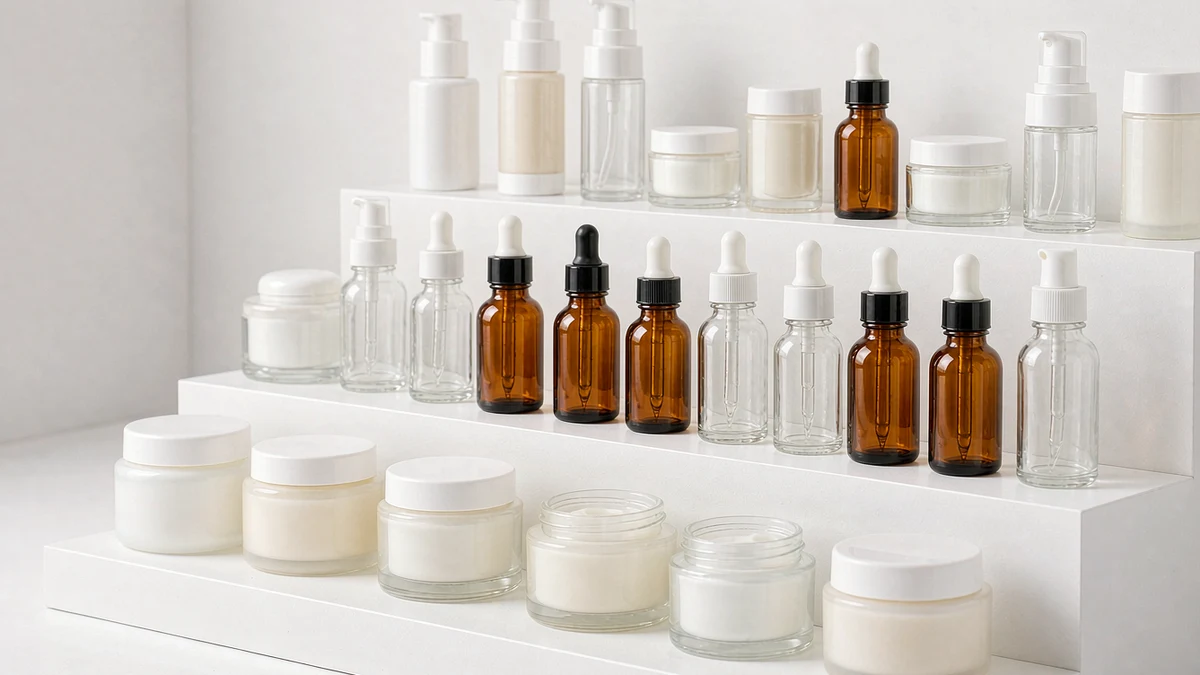
Launching a skincare, aroma, or CBD line forces one sourcing decision earlier than most founders expect: do you print your brand onto a supplier’s proven stock bottle, or invest in a mold that makes a shape no competitor can copy? The choice between private label and custom tooling sets your upfront cost, minimum order quantity, lead time, and how defensible your shelf presence is. This guide lays out both paths, the numbers behind them, and a stage-based way to decide — so you fund tooling only when demand actually justifies it.
Key Takeaways
Use this block as a quick answer before the detail:
- Private label reuses a supplier’s existing molds; you customize only decoration (print, hot stamp, label, box). No tooling cost, lower MOQ, fastest to market.
- Custom tooling builds a new mold for a unique shape; expect a one-time mold cost plus higher MOQs (often 5,000–10,000+ units) and longer lead times (mold cutting + sampling + production).
- Semi-custom — a stock structure with bespoke print, finish, cap, or color — is the usual middle ground for growing brands that have outgrown generic private label but aren’t ready for a full mold investment.
- Start with stock + strong decoration, move to tooling once volume proves it. Most launching brands follow this sequence rather than committing capital up front.
- Verify every supplier claim — ISO 9001, material certs, and compliance documents are claims until checked against the issuing body’s database and confirmed for the specific factory and scope.
- Lock the tooling agreement in writing: mold ownership, storage location, cycle-life warranty, maintenance, and what happens if the relationship ends.
What “private label” means for cosmetic packaging
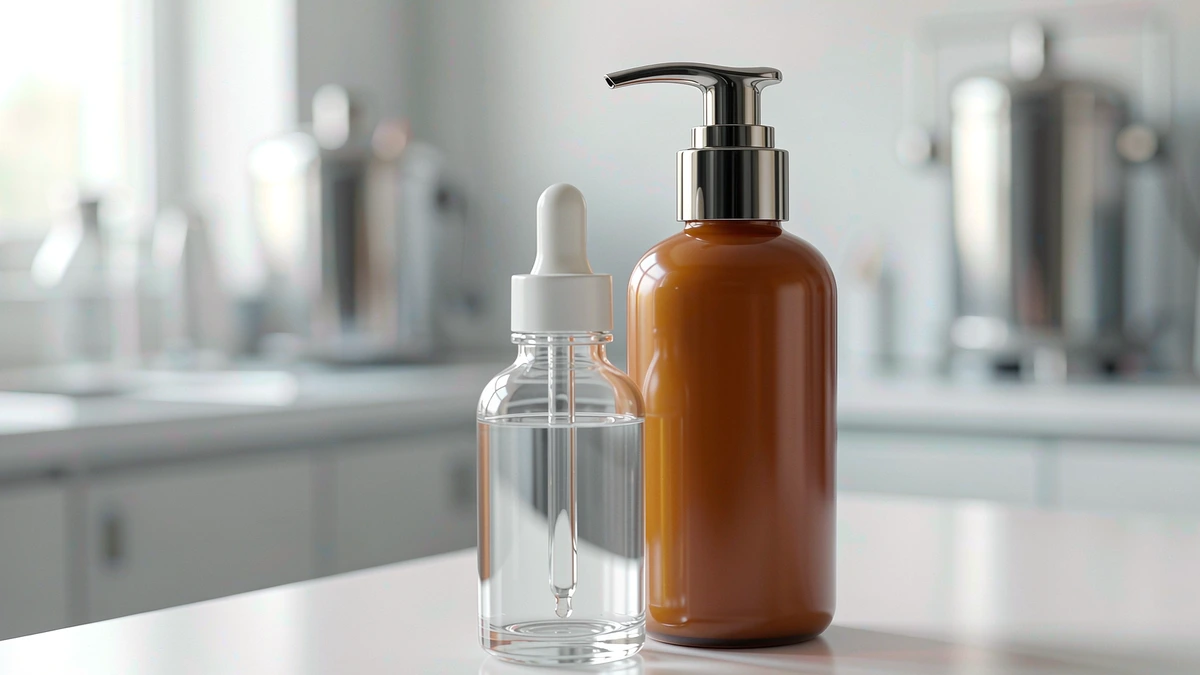
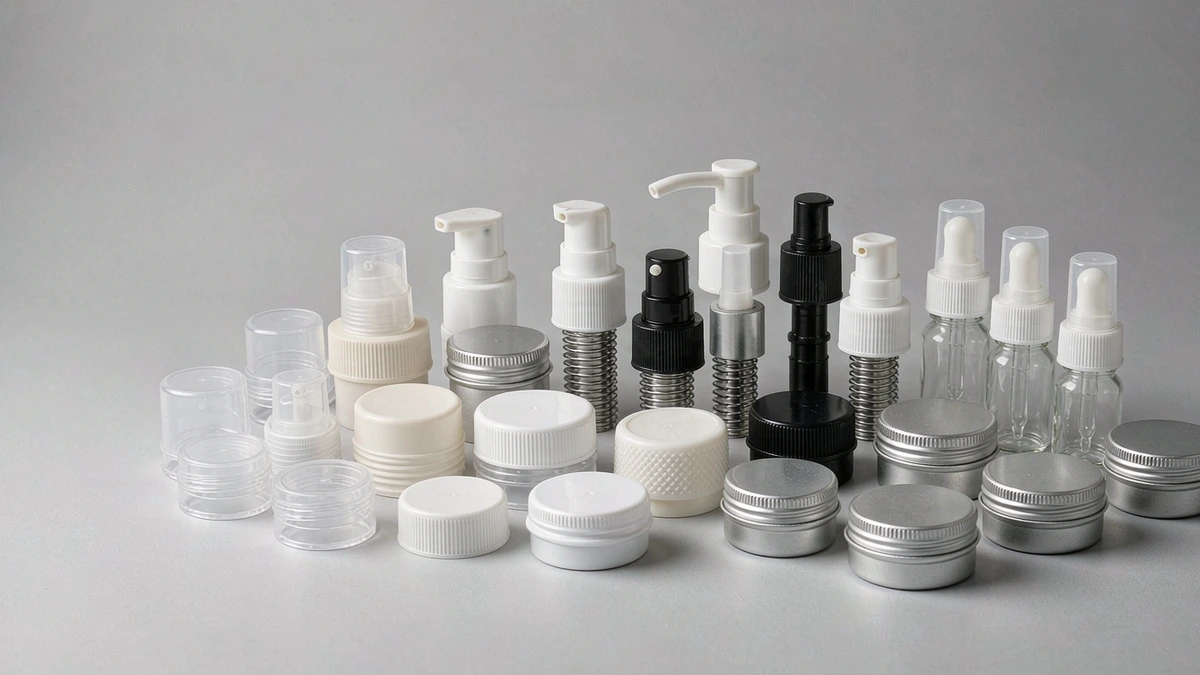
Private label packaging starts from a supplier’s existing catalog — jars, bottles, tubes, airless pumps, droppers, and boxes whose shapes and molds already exist. Your customization is limited to decoration: screen printing, hot stamping, embossing, labels, or a custom outer carton. Because the structural tooling is already absorbed, private label carries no tooling cost and typically the lowest entry MOQ.
For a first launch or a new SKU test, that matters. Stock jars and bottles with standard printing often start around 500–1,000 units per SKU; more involved decoration (custom color matching, hot stamping) raises the minimum. Sampling usually runs 5–10 days, and bulk production after sample approval is commonly 20–35 days depending on decoration complexity and order volume.
The trade-off is differentiation. A private-label bottle looks like a private-label bottle: a proven silhouette shared with other brands, distinguished mainly by your print and finish.
What “custom tooling” actually buys you
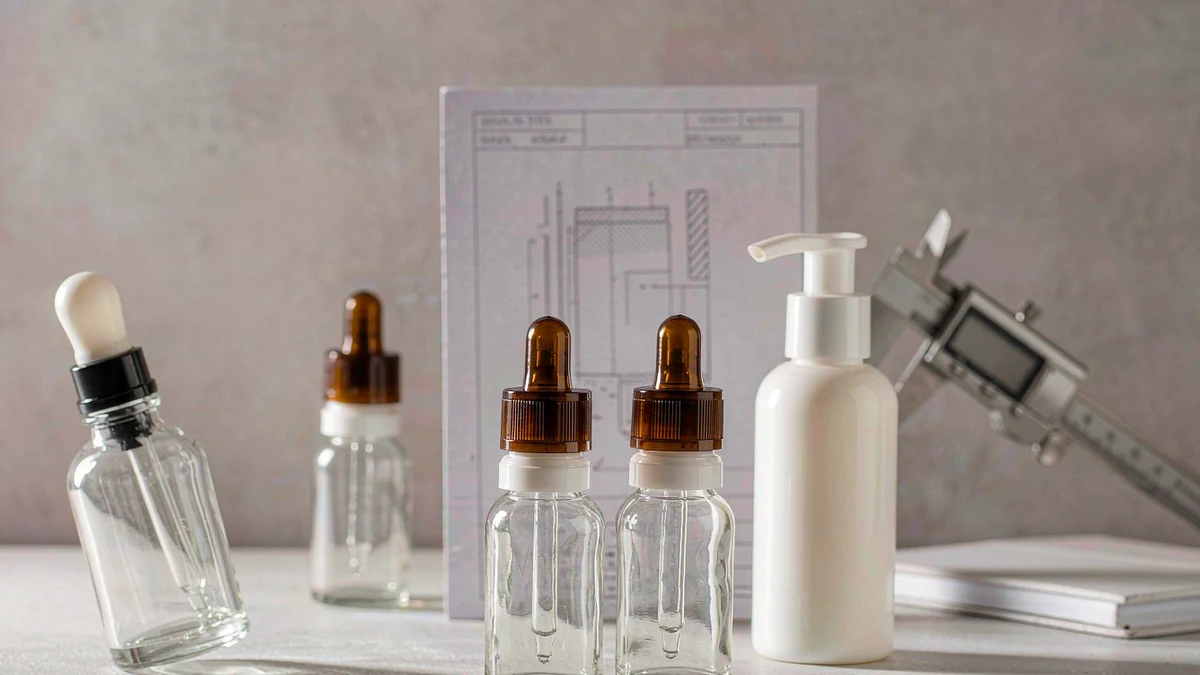
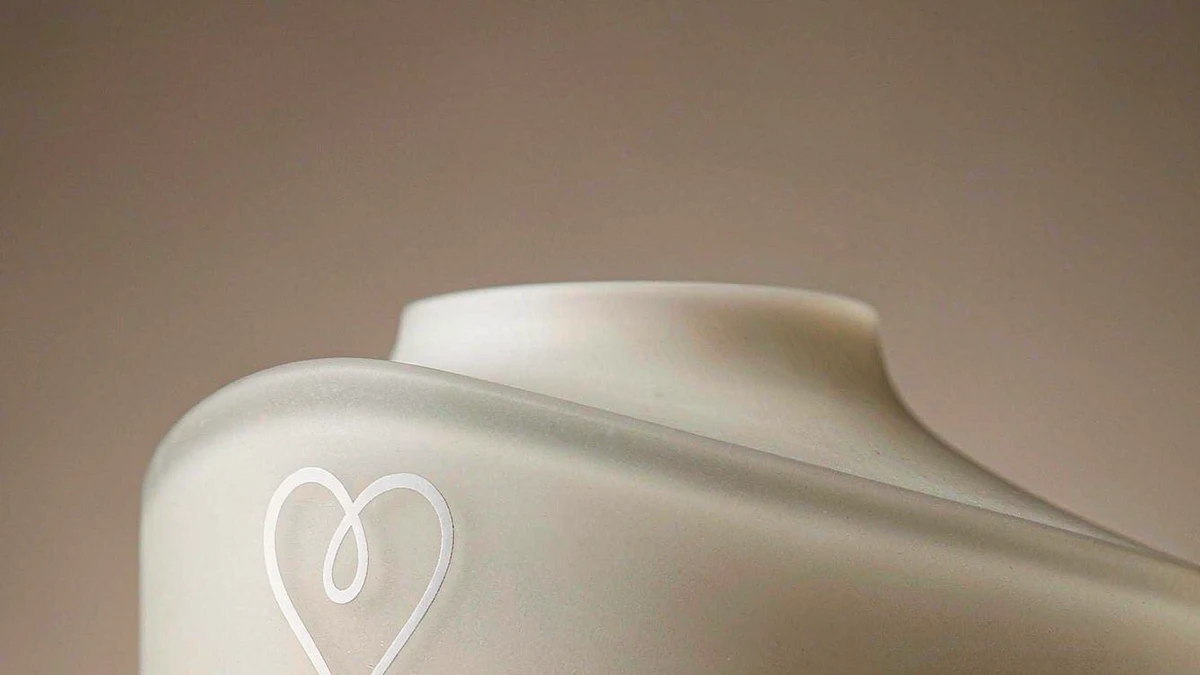
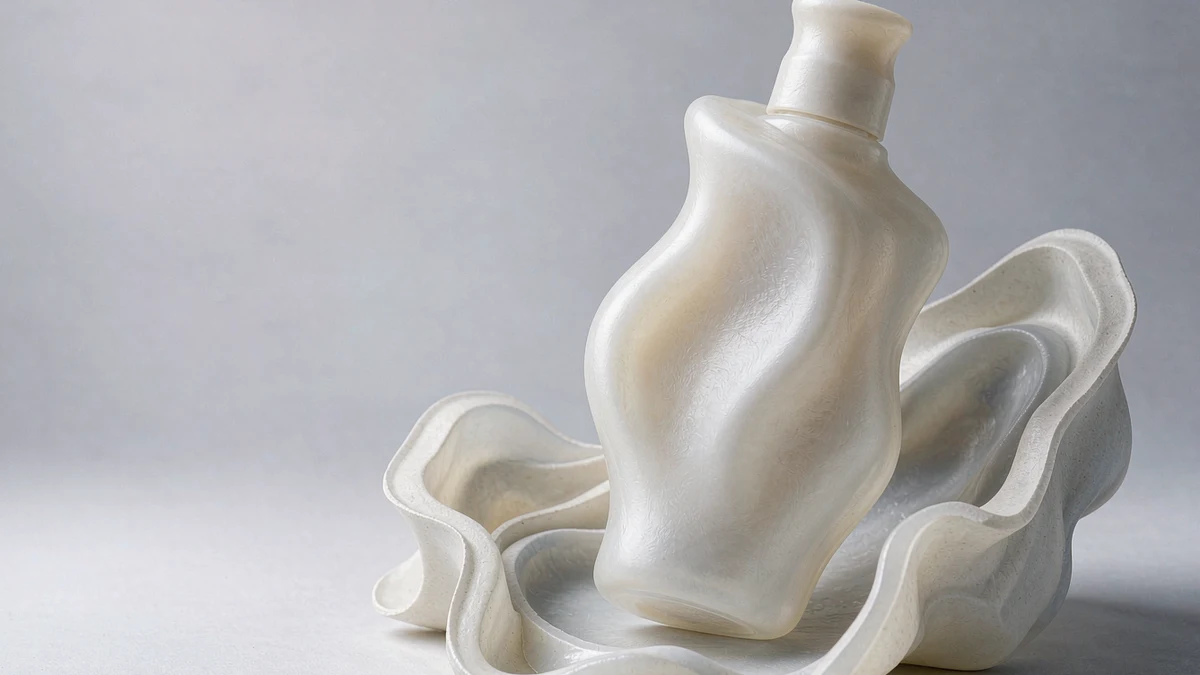
Custom tooling (often called OEM or fully custom) means a new die-line and steel mold engineered around your product. It is the only route to a proprietary shape — a bottle contour, closure, or opening mechanism competitors cannot replicate. The mold is a one-time, brand-owned fixed cost amortized across the production run.
The economics are different from private label on three axes:
- Mold cost: Simple molds can land in the low hundreds to low thousands of USD; glass bottle/jar tooling commonly runs $1,500–$4,000, airless systems $3,000–$8,000, and complex compacts higher. Figures vary widely by geometry and cavity count — always get a quote for your specific part.
- MOQ: Custom-tooled runs typically start at 5,000–10,000 units, and some suppliers note that 30,000–100,000 units are needed to fully amortize the tool. Airless custom MOQs often sit at 5,000–15,000.
- Lead time: Expect 45–70 days for mold cutting, sampling, and approval before bulk production — materially longer than decorated stock.
Custom tooling is the right answer when your product doesn’t fit any existing structure, when packaging is core to your brand differentiation, and when you have the proven volume to justify the capital tied up in a tool before the product earns it back.
The middle path: semi-custom
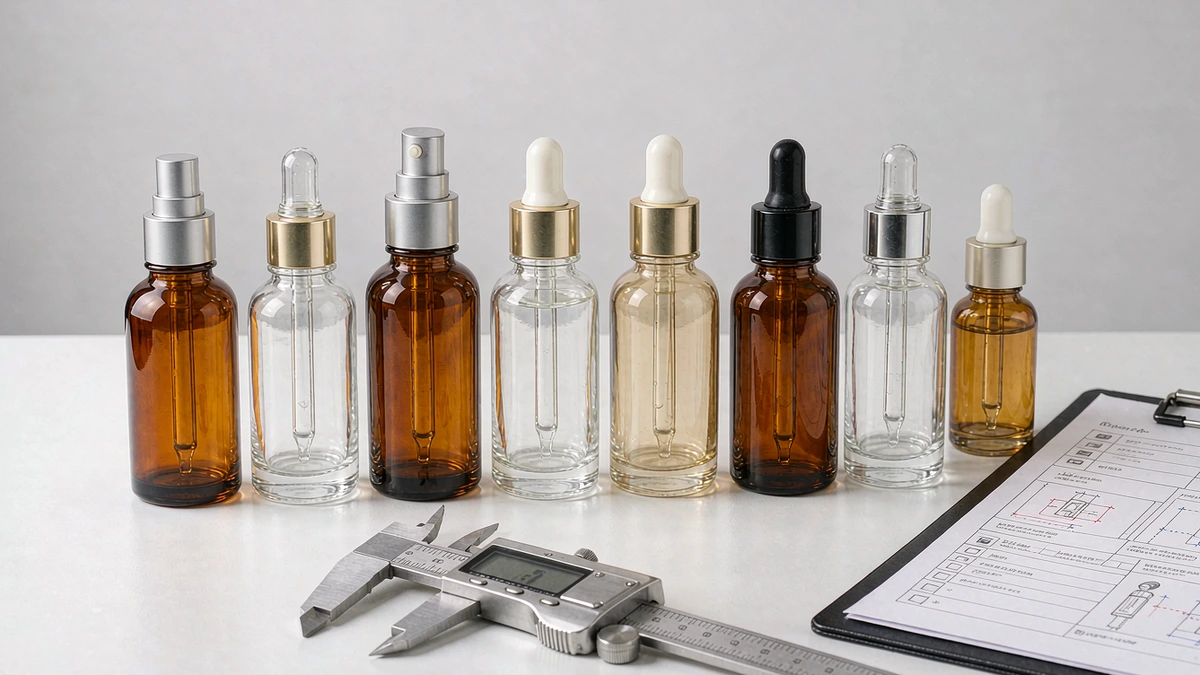
Many suppliers offer a practical compromise — a stock structure combined with fully custom print, finish, insert, or a unique cap and color. This gives meaningfully more brand control than pure private label without the cost and timeline of new structural tooling. For growing brands that have outgrown generic stock but aren’t ready for a full custom die-line, semi-custom is frequently the most sensible stop on the ladder.
A stage-based decision framework
Use your business stage, not a preference, to pick the path:
- Validate first (private label / white label). Launch on stock components with strong decoration. You reach market fast at low minimums and learn what sells before committing capital.
- Differentiate on finish (semi-custom). Once a SKU proves itself, move to custom print, color, or cap on the same proven structure.
- Invest in tooling (custom) only at scale. When volume justifies the mold and a unique shape is central to the brand, commission the tool — and lock ownership and terms in writing.
This sequence keeps cash free during the riskiest phase and concentrates tooling spend where demand is already demonstrated.
Matching the format to the formula
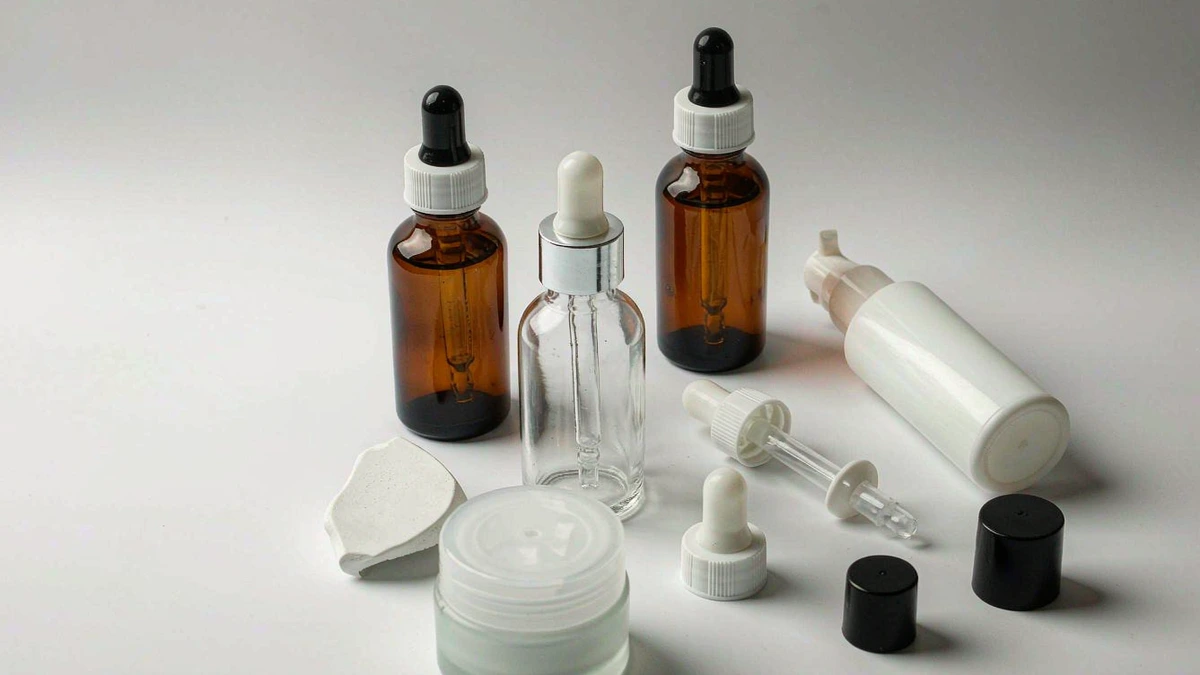
The path you choose still has to serve the product. A wide-mouth jar is right for thick creams but exposes the formula to air and fingers; an airless pump protects oxidation-sensitive actives like retinol and vitamin C; a dropper suits less air-sensitive serums. When you brief a supplier, lead with the formula’s vulnerability, then let the format follow — our guides on choosing packaging for serum products and the dropper vs pump vs airless comparison walk through these trade-offs in detail.
Decoration method matters too. Screen printing and hot stamping are separate processes from molding, and multi-color or metallic finishes cost more than a label. Our cosmetic packaging decoration guide breaks down which finish fits which format and budget.
MOQ, cost, and the numbers you must confirm
MOQ is the lever most new brands underestimate. Private-label minimums vary by format and decoration; custom-tooling minimums are driven by mold amortization. Before you commit, get the MOQ per SKU — not just per order — and ask how decoration complexity changes it. Our MOQ explainer covers how minimums scale across formats and what “minimum” really buys you.
Treat any supplier’s cost and certification numbers as claims until verified. Check ISO 9001 against the issuing body’s database, confirm material food-contact and compliance documents (FDA 21 CFR, EU 1935/2004, REACH, RoHS, California Prop 65 as applicable) cover the specific factory and production scope, and remember a raw-material certificate is not finished-product compliance evidence.
Locking the tooling agreement
If you commission a mold, the written tooling agreement should specify: mold ownership (who holds it), storage location (and whether it sits at a subcontractor you can’t see), cycle-life warranty (steel outlasts aluminum), maintenance obligations, and what happens if the relationship ends. Without these clauses, you can lose access to your own tool — and the ability to run it elsewhere.
Ready to Compare Sourcing Paths for Your Line?
Whether you’re validating a first SKU on stock packaging or scoping a custom mold, our team can quote MOQ, tooling, and lead time for your specific part.
FAQ
What is the minimum order quantity for private label cosmetic packaging?
It depends on format and decoration, but many suppliers accommodate roughly 500–1,000 units per SKU for stock jars, bottles, or tubes with standard printing. Custom color matching or multi-step decoration usually raises the minimum. Confirm the per-SKU MOQ, not just the per-order total.
How much does a custom mold cost?
It varies widely with geometry and cavity count. Simple molds can be in the low hundreds to low thousands of USD; glass bottle and jar tooling often runs $1,500–$4,000, and airless systems $3,000–$8,000. Treat these as ranges to quote against, not fixed prices — get a number for your specific part.
Why do custom-tooled packs need such high minimums?
A custom mold is a precision steel tool whose fixed cost is spread across every unit produced. To bring per-unit tooling amortization down to a reasonable level, you need a high run — commonly 5,000–10,000 units, and sometimes more to fully amortize. Stock components avoid this because the molder already paid for the tool and spreads it across many customers.
Should I start with private label or go straight to custom tooling?
For most new brands, start with stock components plus strong decoration to validate demand fast and cheaply, then move specific SKUs to custom tooling once volume justifies the investment. Going straight to a mold ties up capital before the product has proven itself.
How do I verify a packaging supplier’s claims?
Distinguish factory from trading company (a real factory shows mold drawings and running machines; an intermediary shows finished-product photos and defers technical questions), and verify certificates against the issuing body’s database for the specific legal entity and scope. Raw-material and compliance certificates are claims until confirmed.