
Lotion Pump vs Treatment Pump: Choosing the Right Output (0.5cc, 1cc, 2cc)

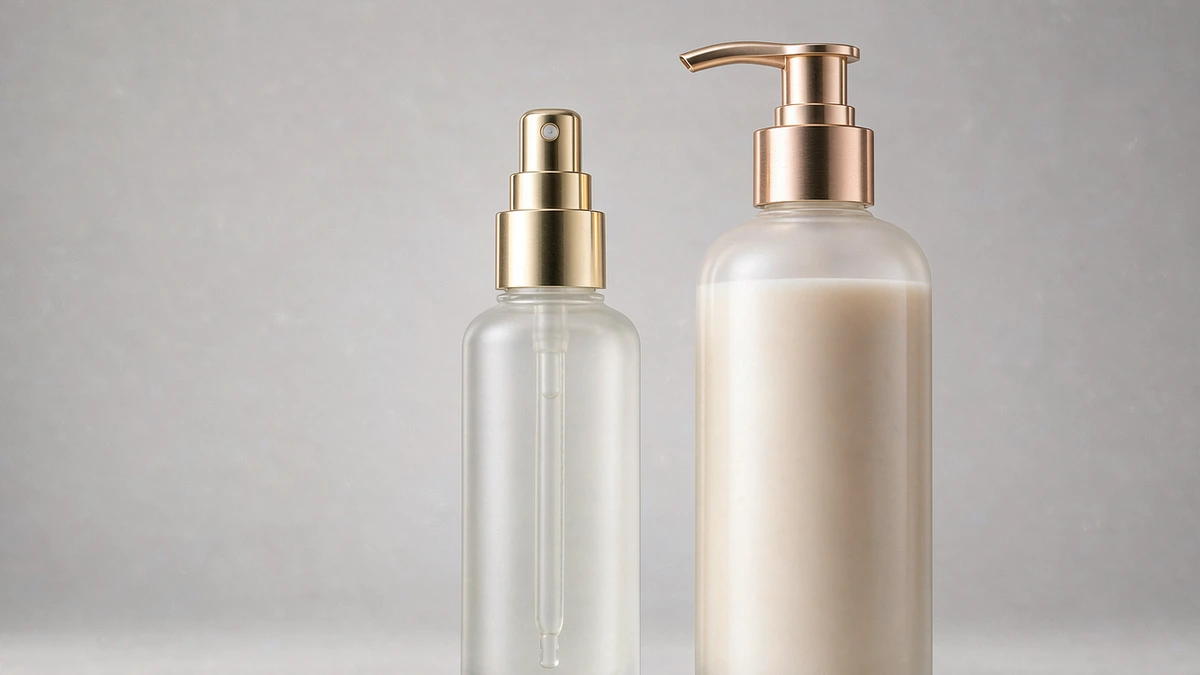
Two pumps can look almost identical on the shelf and behave completely differently in the hand. The difference is not the color of the actuator or the shape of the collar. It is the volume that leaves the bottle on each press, the output per stroke. Get that number wrong and a premium serum feels stingy, a body lotion feels messy, or an expensive formula runs out far sooner than the label implies. This guide explains what output per stroke means, how a treatment pump differs from a lotion pump, which output fits which product, and how to spec the pump as part of the bottle system rather than as an afterthought.
Key Takeaways
If you only carry a few points away, make them these:
- Output per stroke is fixed by the pump chamber. Measured in cc (which equals ml), it decides both how much product leaves the bottle each press and how many presses a filled bottle delivers.
- Treatment pumps are precise, lotion pumps are generous. A treatment or serum pump typically delivers 0.12–0.5 ml; a lotion pump typically delivers 0.5–3 ml per stroke.
- Match the output to the gesture, not the bottle. Roughly 0.5 ml suits serums and eye creams, 1–2 ml suits face moisturizers and sunscreen, and 2–3 ml suits body lotion and shampoo.
- Output accuracy protects margin on high-value formulas. A 0.5 ml over-spec on a 30 ml serum can silently remove around 17 doses, which customers experience as a product that empties too fast.
- Viscosity gates the mechanism. Thick creams starve a standard dip-tube pump, so a wide-orifice disc-top, tube, or jar is the honest choice above the pump’s ceiling.
- The pump and bottle are one system. Neck finish, dip-tube length, and piston diameter must align, or the pump fails to prime and the last 15 ml never reaches the user.
What “Output per Stroke” Actually Means
Output per stroke is the volume of product dispensed in one full press of the pump head. It is measured in cc (cubic centimeters) or ml (milliliters), and the two units are identical: 1 cc equals 1 ml. The number is set by the pump’s internal chamber and spring travel, not by the user. A 2.0 cc pump always dispenses 2.0 cc. It is not adjustable in the field.
That single number drives two things that shape the customer experience. First, how much product comes out: a 0.5 cc pump gives a small, controlled dose suited to a concentrated serum, while a 4.0 cc pump gives a generous portion suited to body wash. Second, how long the bottle lasts: a 250 ml bottle paired with a 2.0 cc pump gives roughly 125 full presses, while the same bottle with a 4.0 cc pump gives roughly 62. On an expensive formula, that spread is a pricing decision disguised as a packaging spec.
Treatment Pump vs Lotion Pump: The Core Difference
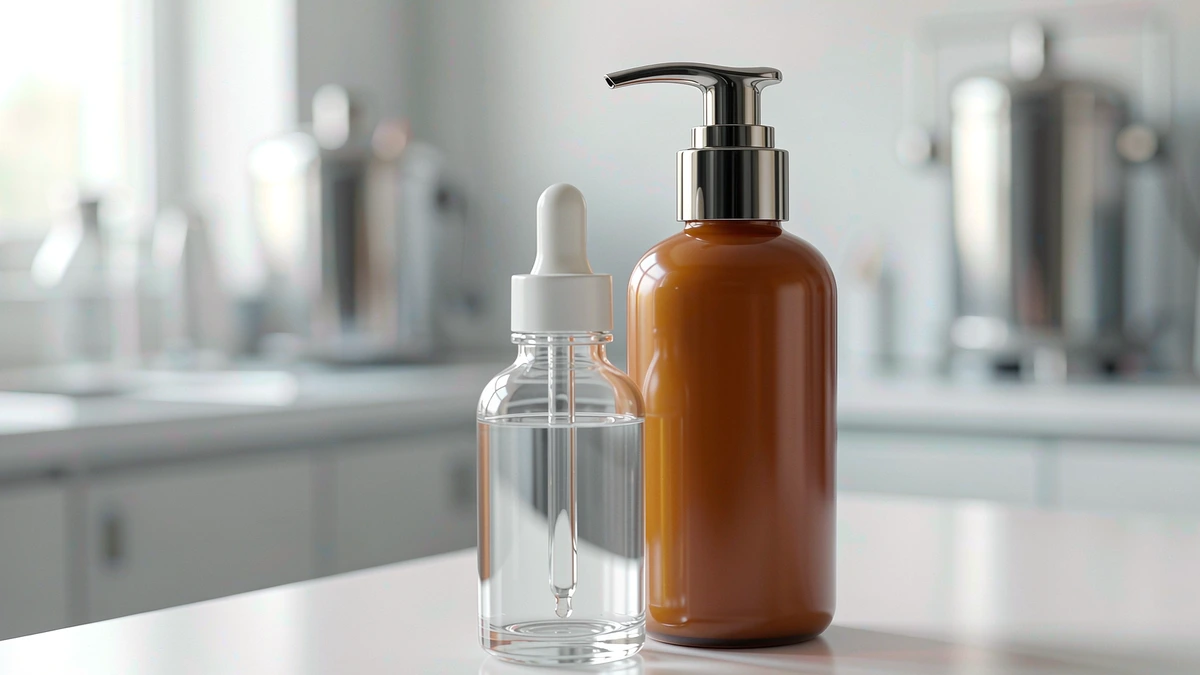
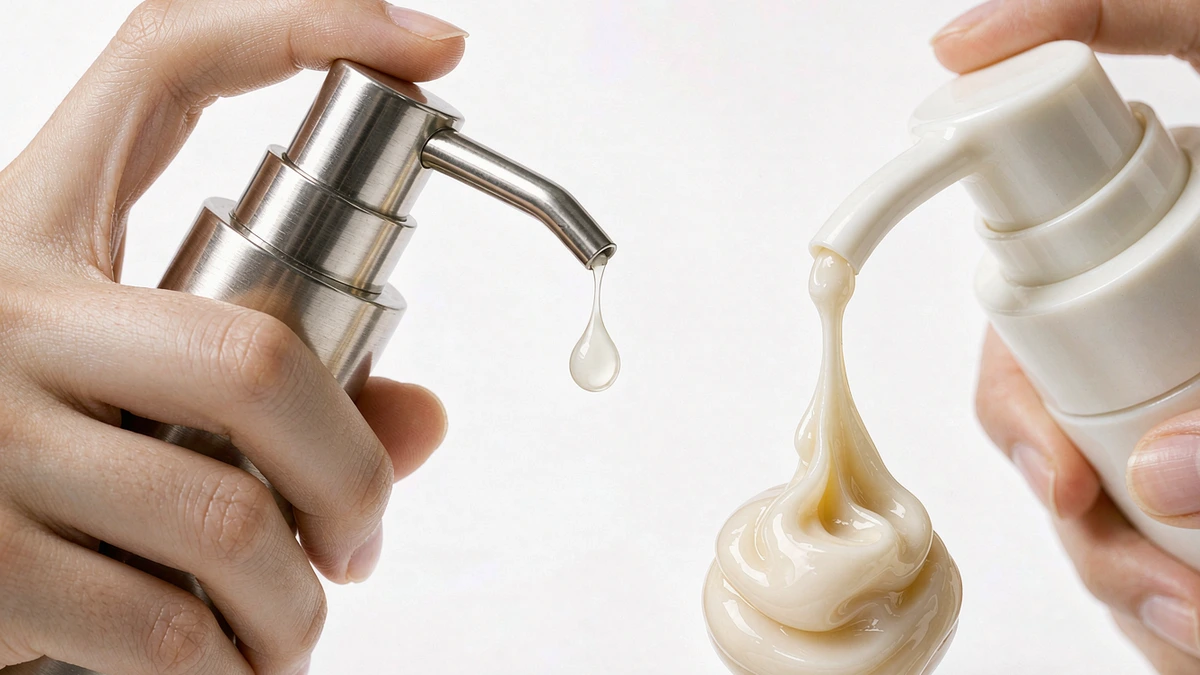
A treatment pump, also called a serum pump, is a small dispenser tuned for precision. It uses a finer orifice, a shorter stroke, and a lighter actuation force than a lotion pump, and it is built for thin, low-viscosity, high-value liquids. A lotion pump is the workhorse: a wider actuator, a longer stroke, and a larger internal chamber that moves more product per press. The table below sums up the split.
| Attribute | Treatment / Serum Pump | Lotion Pump |
|---|---|---|
| Output per stroke | 0.12–0.5 ml | 0.5–3.0 ml |
| Typical use | Serums, eye creams, liquid foundation, essential-oil blends | Body lotion, hand cream, shampoo, sunscreen |
| Actuator and stroke | Small head, short, light press | Wide head, long, firm press |
| Formula economics | Protects costly actives from waste | Values volume over precision |
| Best paired with | Small 15–30 ml glass or airless bottles | 100–500 ml bottles and jars |
The key takeaway is dosage. Where a body-lotion pump might deliver 0.5–3.0 ml, a treatment pump sits in the 0.1–0.4 ml band. That difference is why a serum and a hand lotion, even in similar-looking bottles, should never share a pump.
Matching Output to Product: 0.5cc, 1cc, 2cc
Most cosmetic pumps cluster around three outputs. Use the product’s usage occasion and price to pick the number, not whatever the supplier happens to have in stock.
| Output | Best-fit products | Why |
|---|---|---|
| 0.5 cc (small) | Eye creams, concentrated serums, liquid foundations, tinctures | A little goes a long way; over-dosing wastes a high-cost formula |
| 1.0–1.5 cc (medium) | Face moisturizers, day creams, cleansing oils, facial sunscreens | One to two presses covers the face and eyes |
| 2.0–3.0 cc (large) | Body lotions, hand creams, shampoos, conditioners | One press covers arms, legs, or both hands |
A 2.0 cc pump is the common specification for facial and hand care because it lands close to a nickel-sized amount of sunscreen, the volume dermatologists recommend for the face. Push the output higher only when the product is applied to large areas.
Why Output Accuracy Protects Margin on High-Value Formulas
On a cheap body wash, a slightly large dose is an annoyance. On a 30 ml serum priced at USD 60, it is a measurable loss. Industry buyers repeatedly note that over-specifying the stroke by 0.5 ml on a 30 ml serum can silently remove around 17 doses from the bottle. The customer does not see the missing volume on the spec sheet; they feel it as a product that “runs out too fast,” which lands as a quality complaint rather than a packaging note.
The fix is to derive dose per stroke from the product’s usage occasion and unit cost before the brief is written. A serum wants a few drops, a face cream wants a pea, and a body lotion wants volume. Tie the stroke to the gesture, and the bottle lasts exactly as long as the label promises.
Viscosity Gates the Mechanism
Output is only half the story. The other half is whether the pump can physically move your formula. A standard dip-tube pump is comfortable through thin milks up to conventional lotions, in the low-to-mid thousands of centipoise. Push it into rich cream territory and the pump starves: the dose turns erratic, actuation stiffens, and users decide the bottle is broken.
Airless pistons tolerate thicker formulas than a dip-tube pump but still hit a ceiling. Above that ceiling, a wide-orifice disc-top, a tube, or a jar is the honest answer, not a “stronger” pump. When you brief a supplier, viscosity belongs on the same line as output, because the two together decide whether the pump works at all. If your line spans both watery toners and thick balms, the fine-mist sprayer vs pump question and the airless option in our airless pump guide are worth reading alongside this one.
Neck Finish and the Pump-to-Bottle System
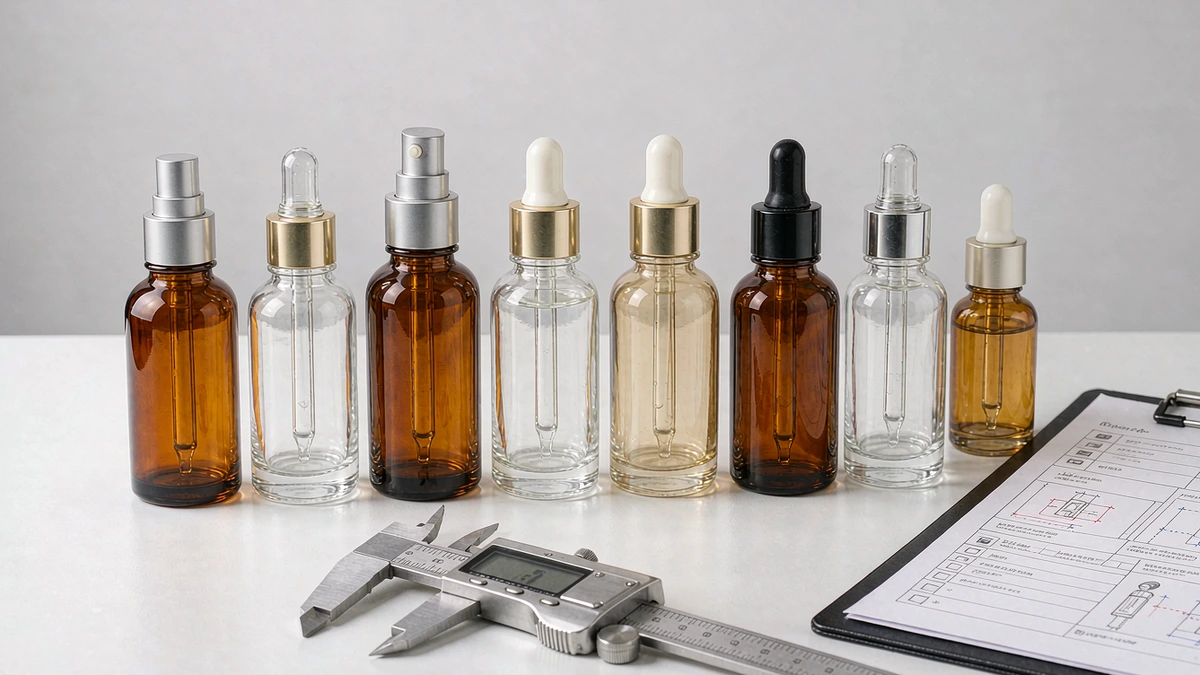
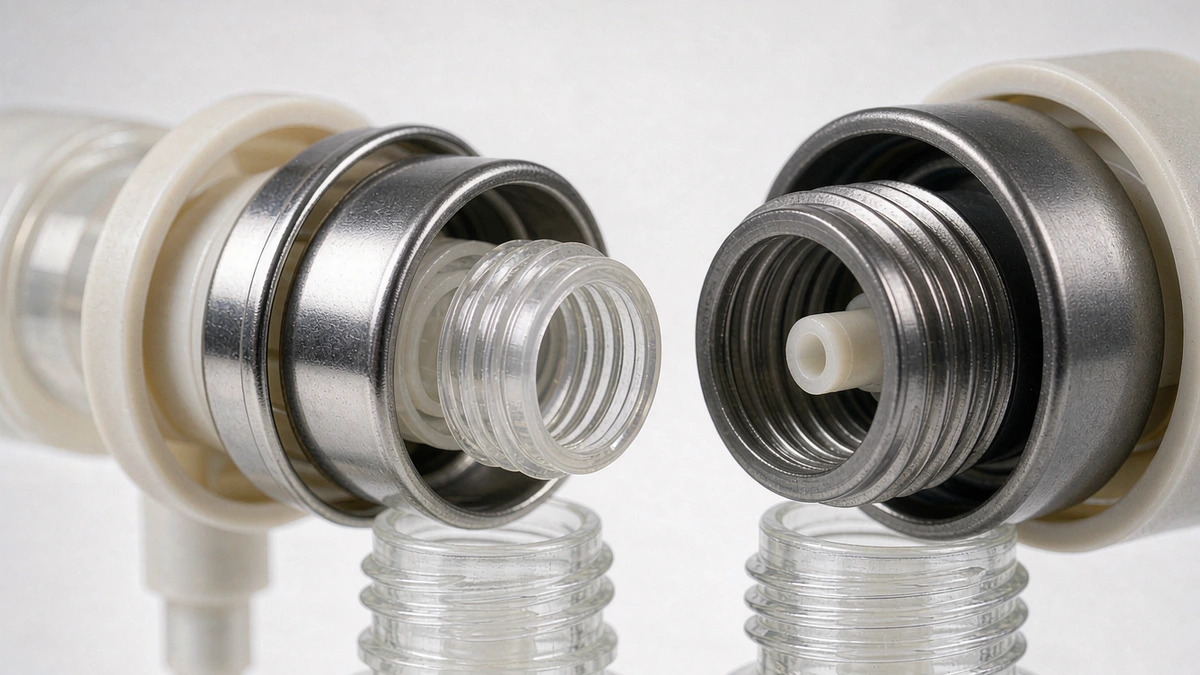
A pump is not a separate purchase from the bottle. The neck finish must match exactly, or the pump will not seal. Common pump neck finishes are 18/410 and 18/415 for small skincare bottles, 20/410 and 20/415 for medium sizes, and 24/410 and 24/415 for the most common body and haircare formats, with 22/410 and 28/410 appearing in niche or larger packaging. The first number is the neck diameter in millimeters; the second is the thread style.
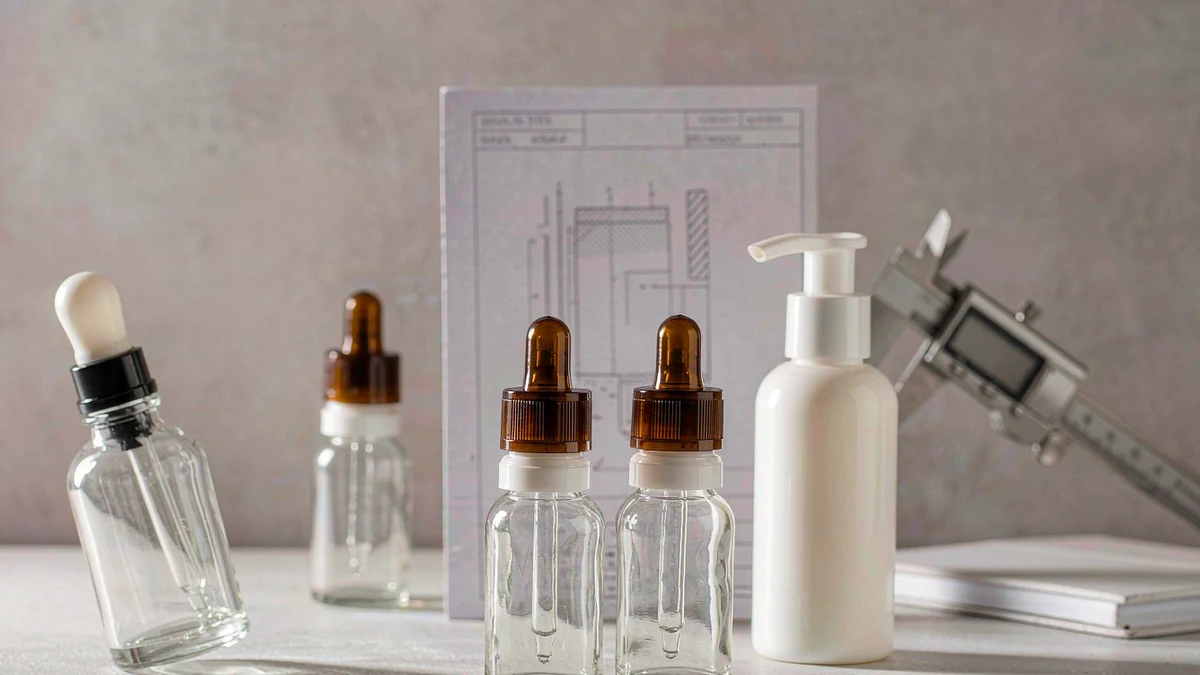
Beyond the thread, the dip-tube length has to match the bottle height, the piston diameter has to suit the chamber, and the bottle draft angle has to let the dip tube reach the bottom. Well-chosen pumps fail in the field simply because the dip tube was cut for a different bottle and never reached the last 15 ml. Treat the pump, bottle, closure, and dip tube as one approved system, and confirm the match against our bottle neck finish guide before you commit tooling.
Selecting a Pump: A Spec Checklist
Before you request samples, walk through this with any supplier so the pump arrives matched to the formula:
- Define the target output per stroke (0.5 / 1 / 2 cc) from the usage occasion and product price.
- State the formula viscosity and any alcohol, acid, or essential-oil content that affects the spring or seals.
- Confirm the neck finish, 18/410, 20/410, or 24/410, and the bottle height for dip-tube cutting.
- Choose pump type: standard lotion, treatment, outer-spring (for reactive formulas), or airless.
- Decide on sustainability needs, such as an all-plastic recyclable pump, and confirm recyclability claims with the supplier.
- Agree MOQ, lead time, and sample pricing, then run a compatibility and prime test on the real formula.
Most of these items belong on the same brief as your bottle and closure. Our guide to briefing a packaging supplier and the private label vs custom tooling walkthrough show how to package them into one spec sheet that prevents costly mismatches.
Choosing a Pump for Your Formula?
Venturove supplies cosmetic packaging across glass, plastic, and metal formats and can help you match the right pump output, neck finish, and closure to your formula and filling line. If you need output options, viscosity guidance, or compatibility checks, contact our team for a tailored quote.
FAQ
What is the difference between a lotion pump and a treatment pump?
A treatment pump (or serum pump) is built for precision, delivering about 0.12–0.5 ml per press with a fine orifice and a light, short stroke. A lotion pump is built for volume, delivering about 0.5–3 ml with a wider actuator and longer stroke. The split matters because a serum and a hand lotion should never share a pump.
What pump output should I use for a facial serum?
Use a small output in the 0.5 cc range, or even lower for the most concentrated treatments. Serums are high-value and applied in drops, so a precise treatment pump protects the formula from waste and gives the customer a consistent dose every time.
Can I use one pump output for all my products?
Not if the products span different viscosities and price points. A 2 cc pump suits body lotion but floods a serum; a 0.5 cc pump suits a serum but under-serves a hand cream. Derive the output from each product’s usage occasion and unit cost rather than standardizing for convenience.
Which neck finish do pumps use?
Most pumps use 18/410 or 18/415 for small skincare bottles, 20/410 or 20/415 for medium sizes, and 24/410 or 24/415 for the common body and haircare formats. The number is the neck diameter in millimeters and the thread style, and it must match the bottle exactly to seal.
How do I stop a pump from under-dispensing thick formulas?
A standard dip-tube pump starves above its viscosity ceiling, so for thick creams choose a wide-orifice disc-top, a tube, or a jar instead of forcing a pump. If you need a pump, confirm the viscosity range with the supplier and run a prime test on the real formula before production.