
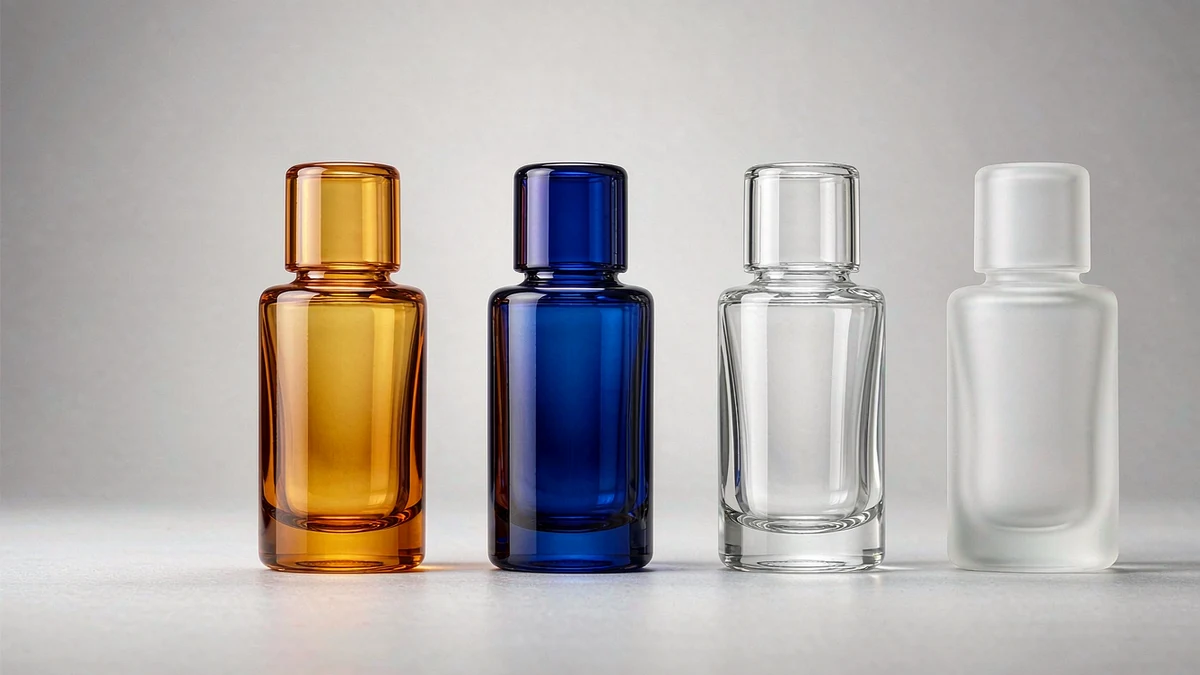
Cosmetic Bottle Color Options: Amber, Cobalt, Clear, Frosted — UV Tradeoffs

Amber, cobalt, clear, or frosted? See how each cosmetic bottle color blocks UV light and which protects light-sensitive actives best.
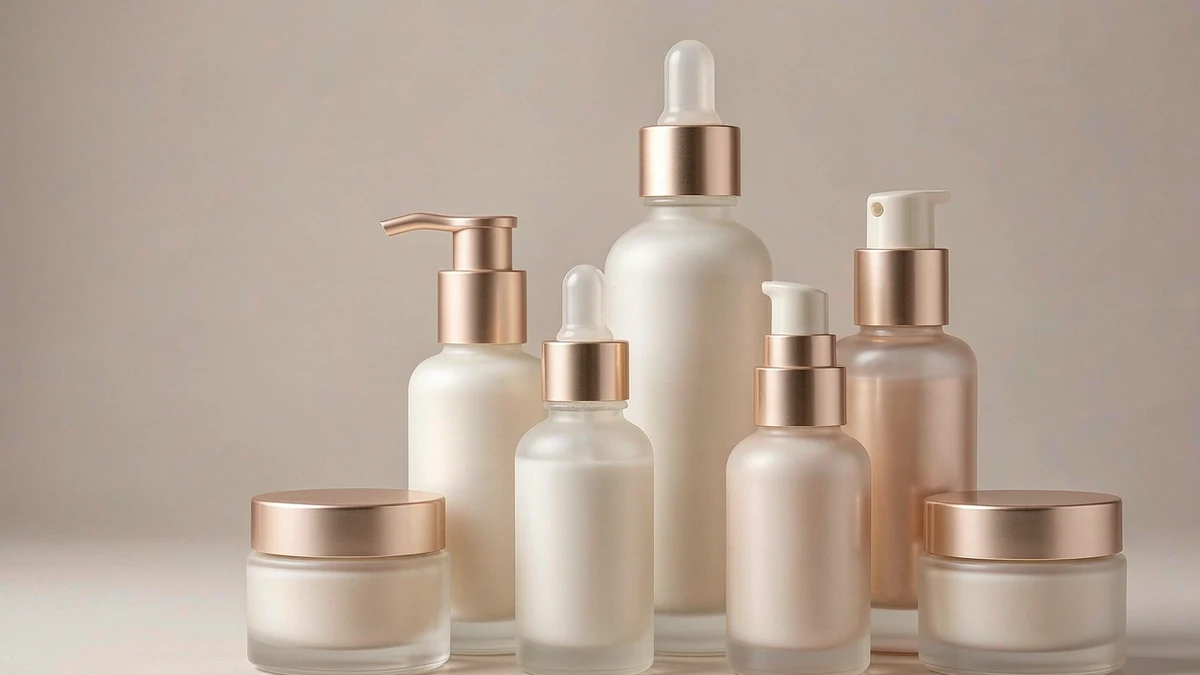
Luxury Cosmetic Packaging on a Budget: Glass-Look Finishes
How to achieve a luxury cosmetic look on a budget using glass-look finishes — spray, frosting, hot stamping, and vacuum metallization, with MOQ and cost trade-offs.
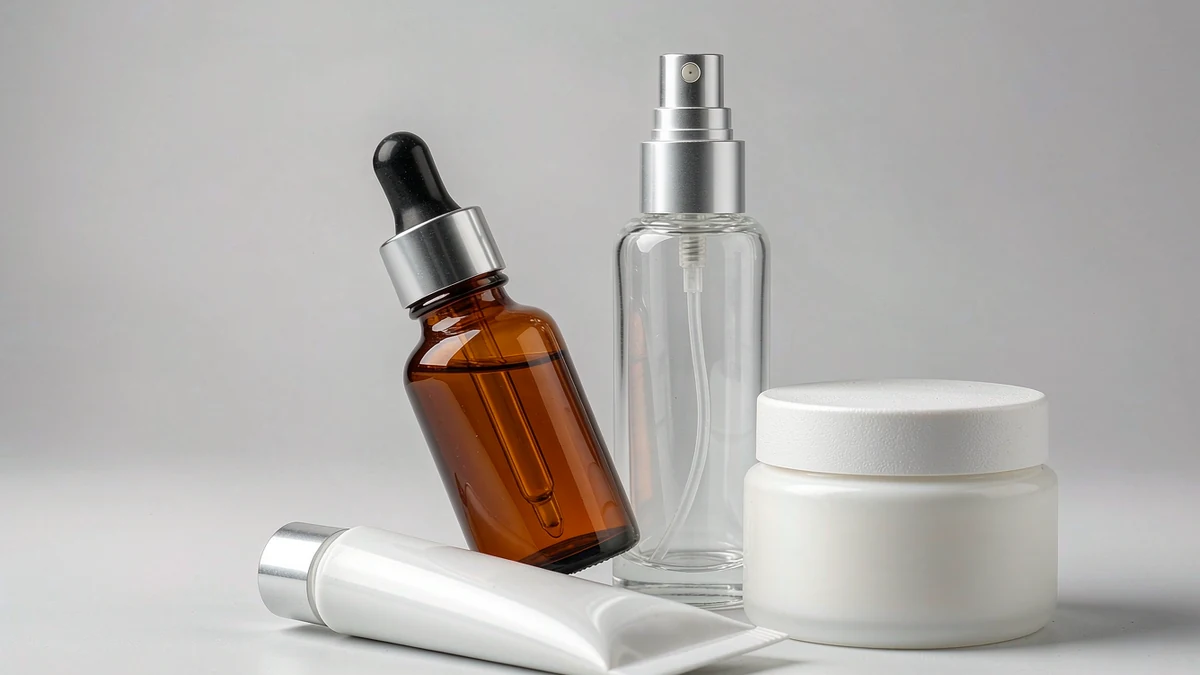
Travel-Size & TSA-Compliant Cosmetic Packaging: A Buyer’s Guide for Beauty Brands
A buyer's guide to travel-size and TSA-compliant cosmetic packaging — sizes, formats, materials, leak-proof design, and sourcing for beauty brands.
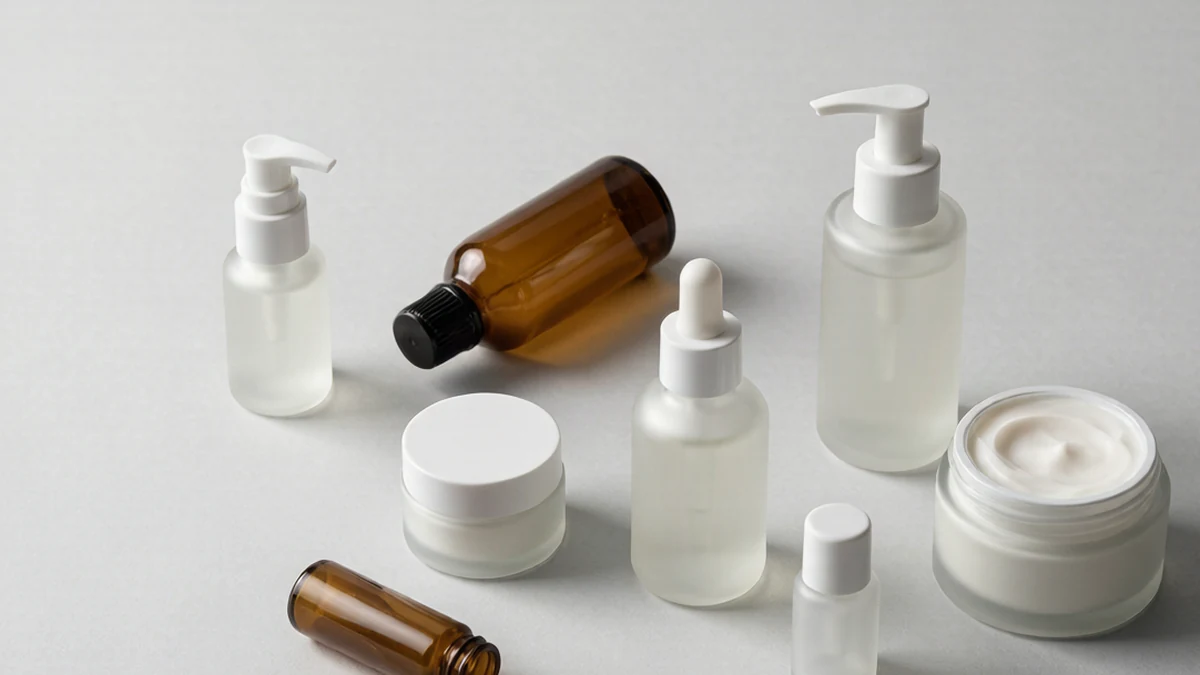
Refillable & Reusable Cosmetic Packaging: Sustainability Without Compromise
Refillable and reusable cosmetic packaging turns a one-time bottle into a recurring refill. Learn the materials, formats and design details that make a refill program actually work.
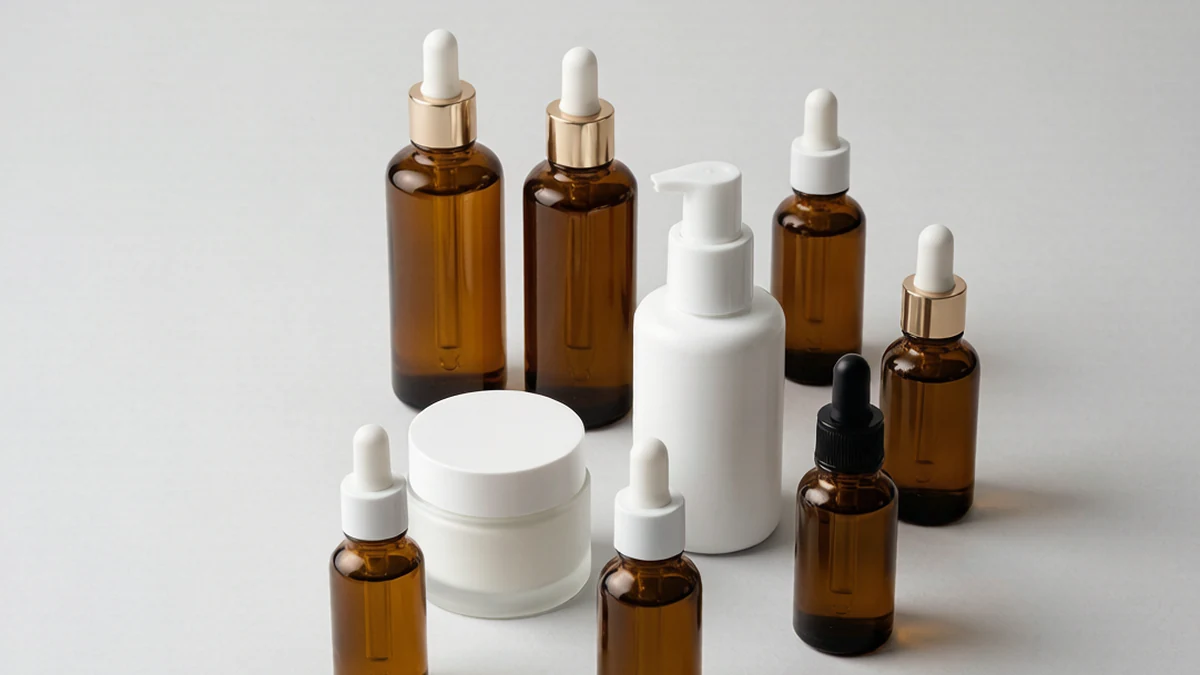
Cosmetic Packaging for Sensitive & Eczema-Prone Formulas
Sensitive and eczema-prone formulas need packaging that blocks light, limits air exposure and never reacts with the product. Learn how to choose materials, dispensers and seals that keep gentle formulas safe.
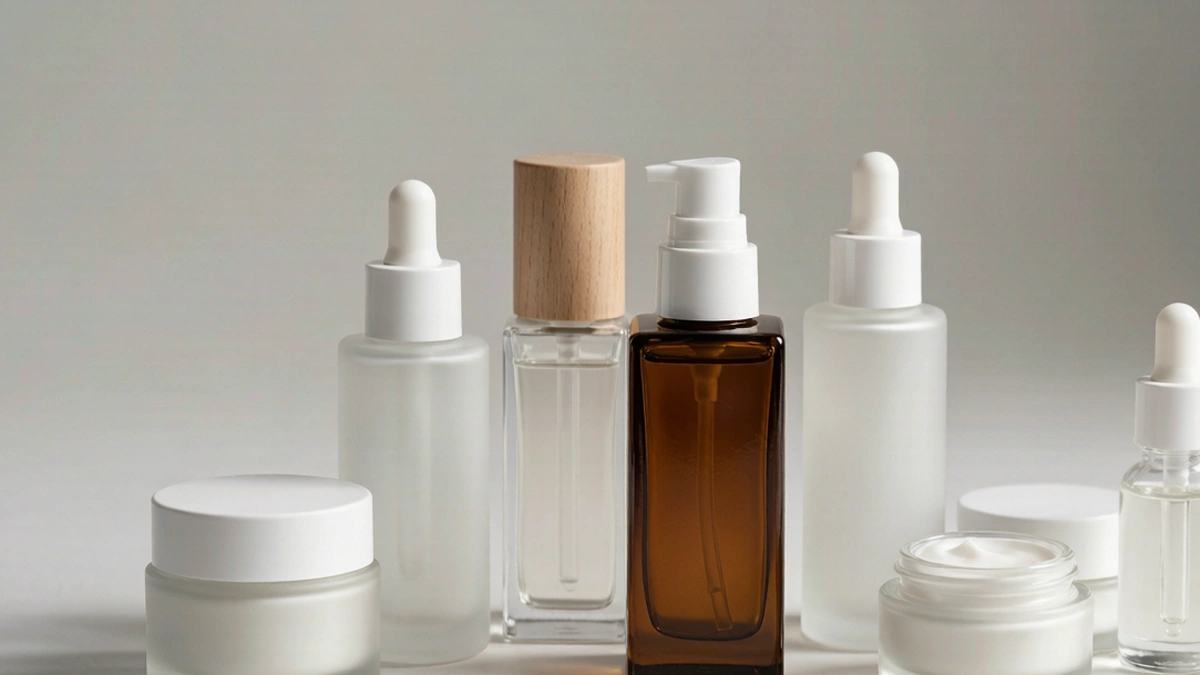
How to Source Custom Cosmetic Bottles from a China Manufacturer (OEM/ODM)
A B2B field guide to sourcing custom cosmetic bottles from China: how OEM and ODM differ, what "custom" covers, MOQ and lead-time norms, and how to vet a factory before you pay a deposit.
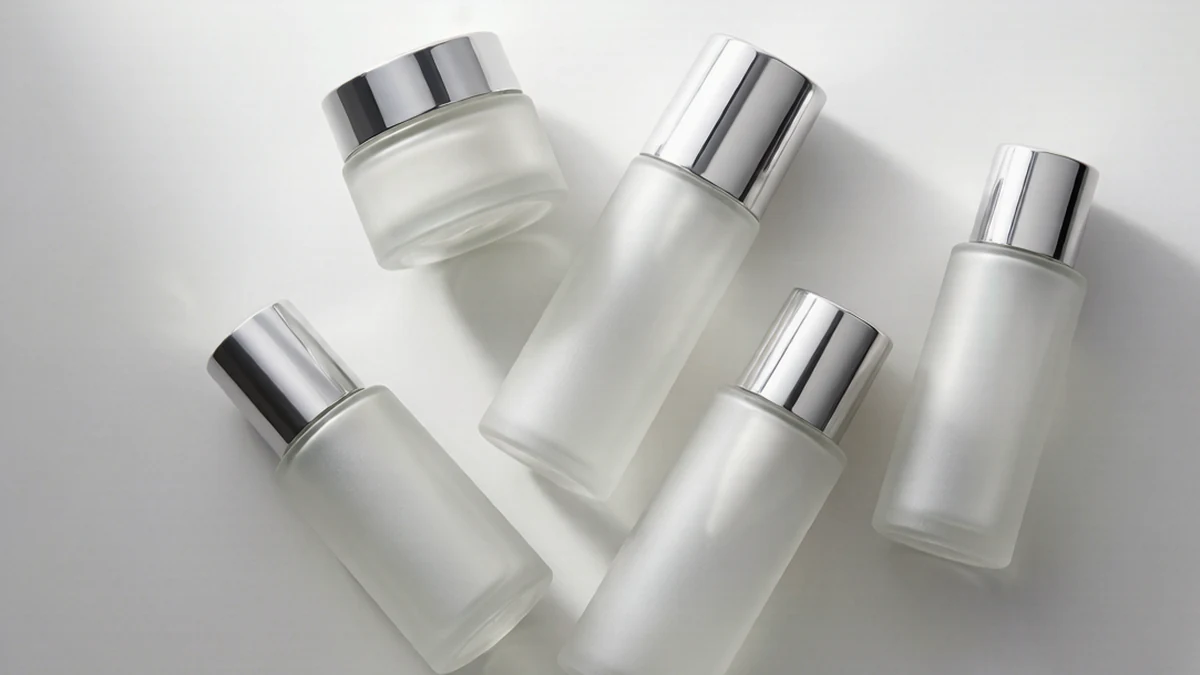
Frosted Glass Bottles: Aesthetics, Protection & Branding Value
A practical B2B guide to frosted glass bottles — what the finish does for aesthetics, light diffusion, branding, and where it falls short.
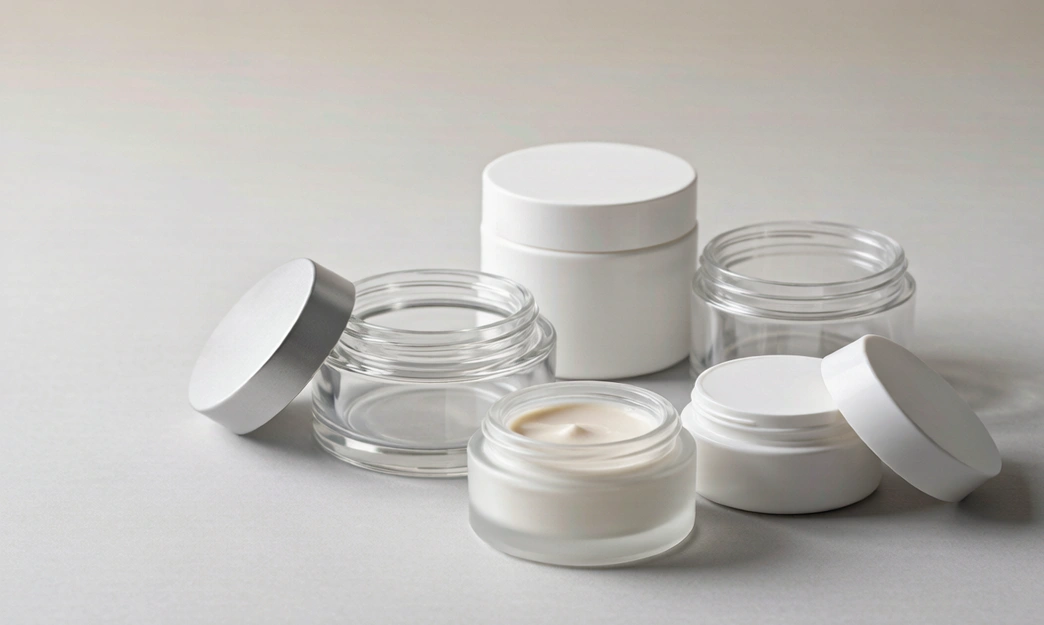
Glass Cream Jars vs Plastic Cream Jars: Which Is Right for Your Formula?
A jar is the least protective packaging format in common use. This guide compares glass, PP, PET and acrylic cream jars on chemical compatibility, weight, breakage and cost, then shows how to match material to formula, channel and price tier, and what to put in the RFQ so quotes are comparable.
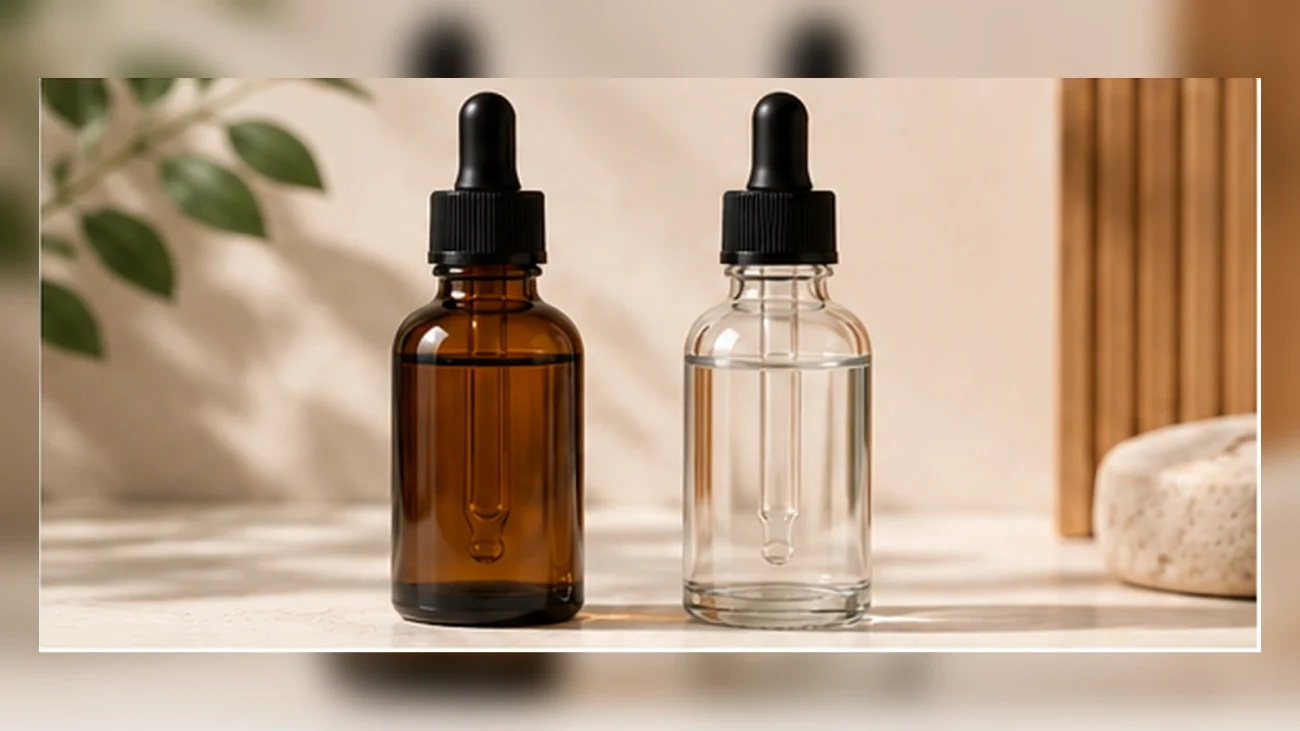
Amber Glass vs Clear Glass Bottles: Which Is Better for Skincare Packaging?
Amber glass offers stronger protection for light-sensitive skincare formulas, while clear glass provides maximum product visibility and a clean visual style. Compare both options before choosing packaging for serums, facial oils and active formulas.
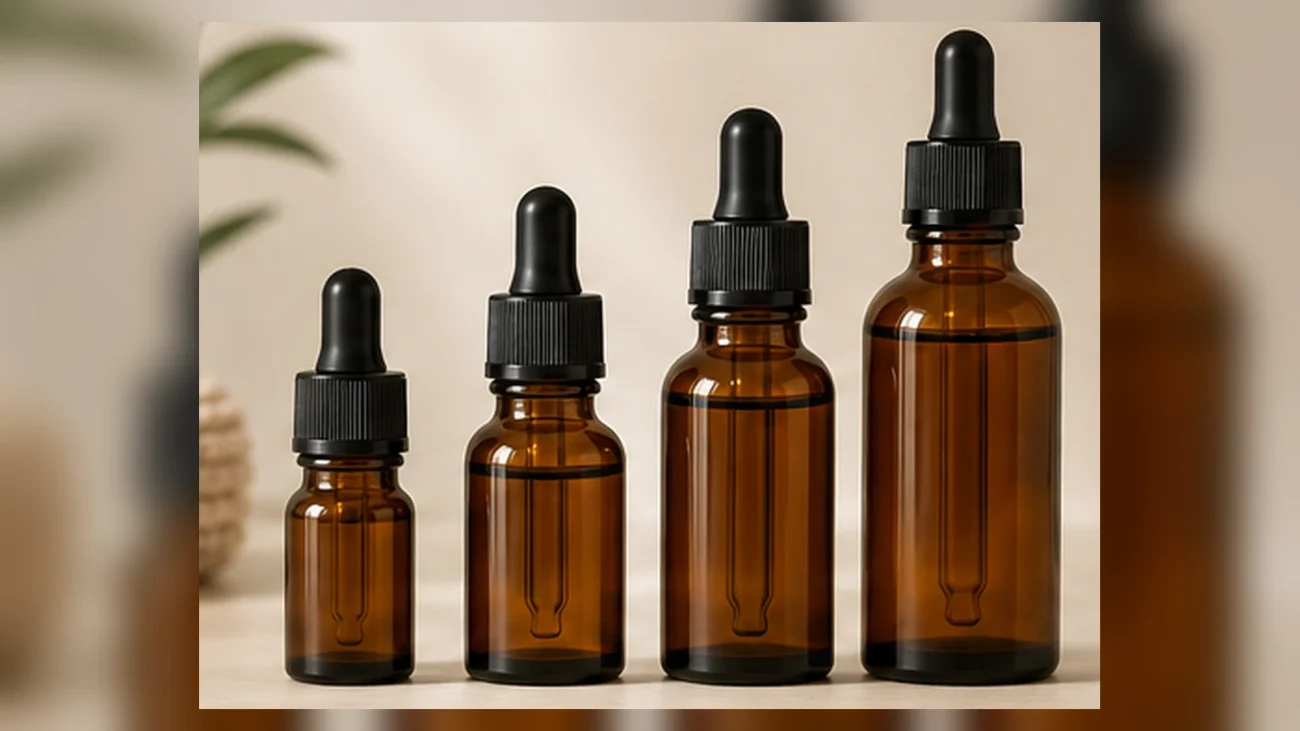
Dropper Bottle Sizes Explained: 10ml, 15ml, 30ml and 50ml
Choosing between 10ml, 15ml, 30ml and 50ml dropper bottles affects product positioning, formula freshness, dispensing experience, shipping cost and inventory risk. This guide explains how each size fits different skincare products and buying scenarios.