
Refillable & Reusable Cosmetic Packaging: Sustainability Without Compromise

Why Refillable Packaging Is Moving From Niche to Default
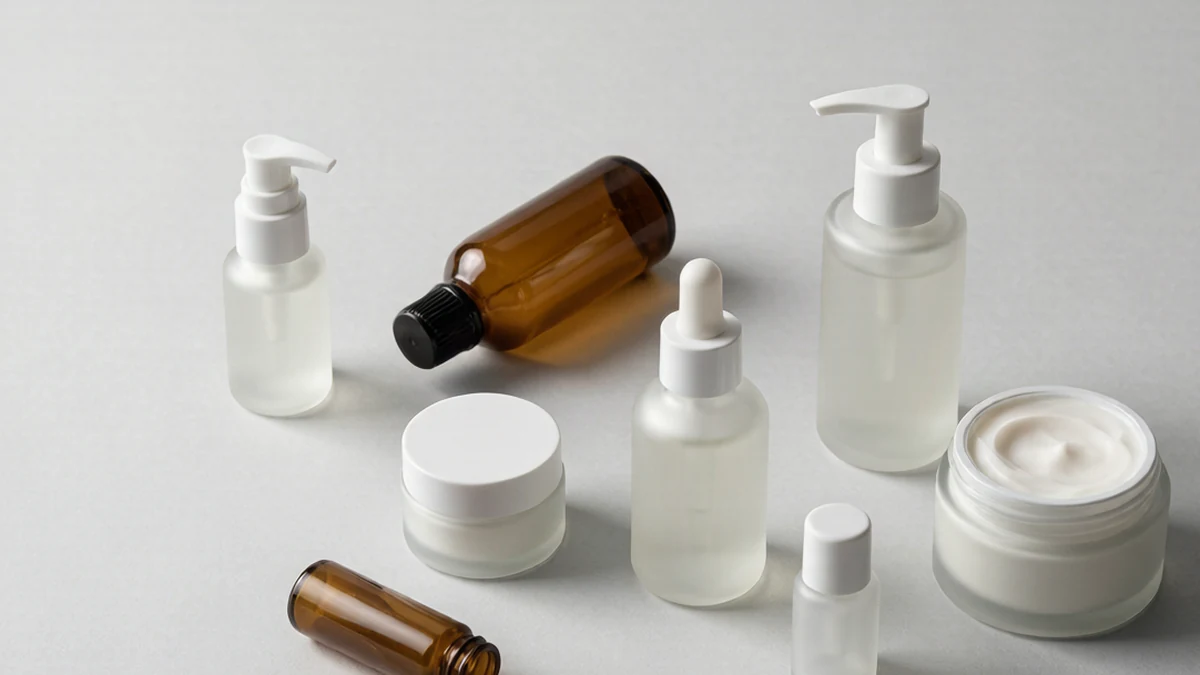
Five years ago, a refillable jar was a boutique statement. Today it is becoming a default expectation for new skincare and fragrance lines. The shift is not only ethical theater — it is a response to regulation, to rising packaging costs, and to customers who now associate a durable, refillable bottle with a brand that takes its promises seriously.
For a B2B buyer, that changes the math. A refill system lets you sell the beautiful glass bottle once and the formula many times. The bottle becomes a keepsake; the refill becomes a recurring, lower-cost reorder. Done well, that is both a sustainability story and a stronger unit economy.
What “Refillable” and “Reusable” Actually Mean
The words get used interchangeably, but they point to different designs — and different supplier briefs.
- Reusable means the same container is used again and again, after cleaning or sanitizing. The value is in container durability.
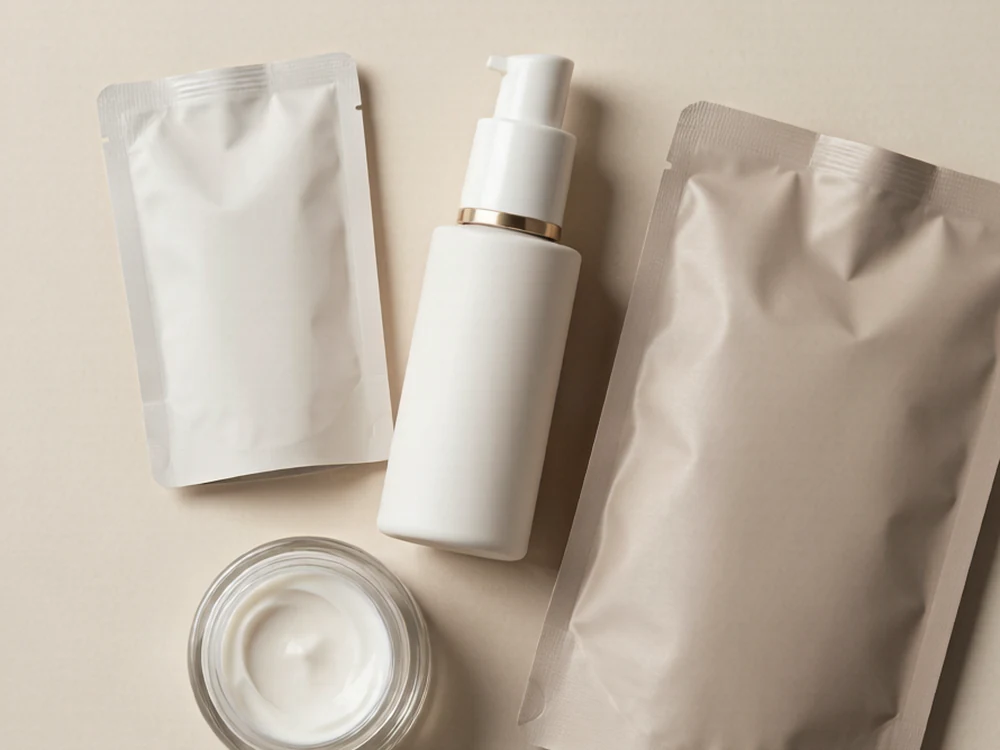
- Refillable means the primary package is designed to accept a refill — a pod, pouch, or carton — so the customer keeps the outer bottle and buys the inner product separately.
- Most premium programs combine both: a reusable primary bottle plus a purpose-built refill.
This is distinct from recyclable or PCR content. Recycling and recycled material are end-of-life choices. Refill and reuse are front-of-life reductions, and they sit higher on the waste hierarchy: reduce and reuse beat recycle. A brand that leads with refills is solving the problem before it starts, not after.
The Sustainability Math Brands Actually Care About
Refill systems are easy to over-claim, so it is worth being precise about where the savings come from.
| Lever | What changes | What to watch |
|---|---|---|
| Primary pack weight | Heavy glass bottle bought once, not per order | Transport carbon for the first bottle is higher |
| Refill material | Light single-material pouch or carton per reorder | Must be genuinely recyclable, not just “light” |
| Cost per fill | Drops after the 2nd–3rd refill | Refill format still needs its own protection |
| Customer retention | Refill becomes a subscription habit | Only if the refill is easy to use |
The honest version: a refill only beats a thin recyclable bottle when the customer actually refills. If the system is fiddly, the glass bottle ends up in a drawer and the benefit evaporates. Design for use, not for the brochure.
Choosing the Right Material for a Refill System
Material choice decides whether the primary pack survives years of handling.
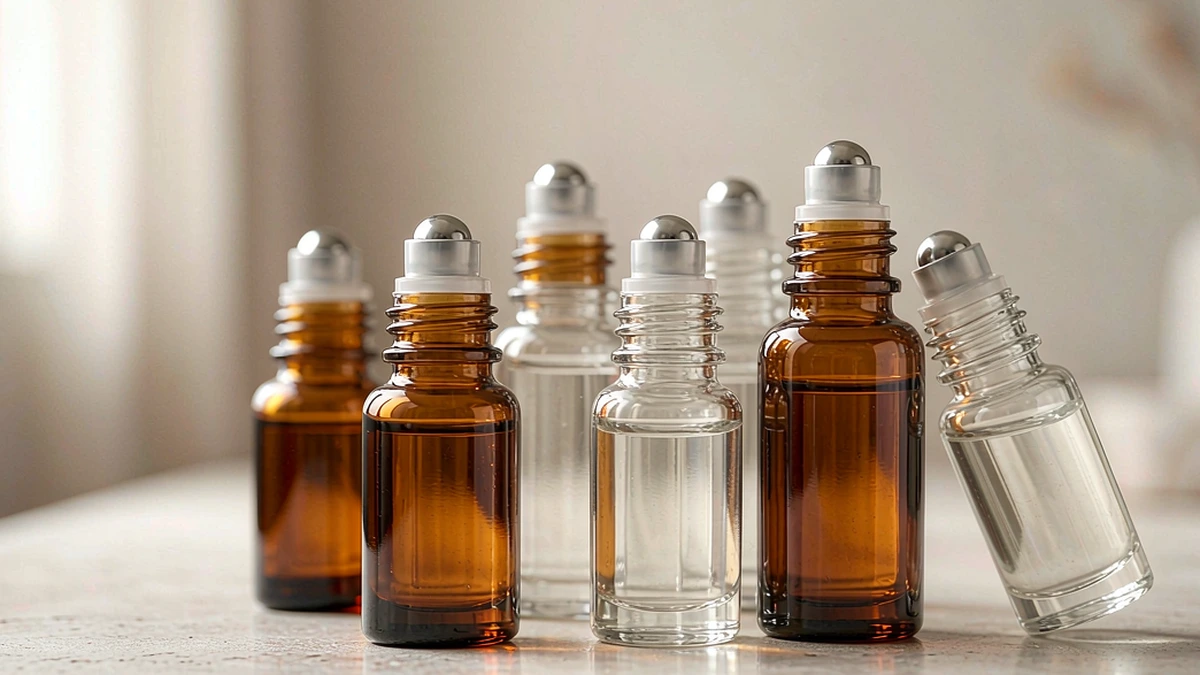
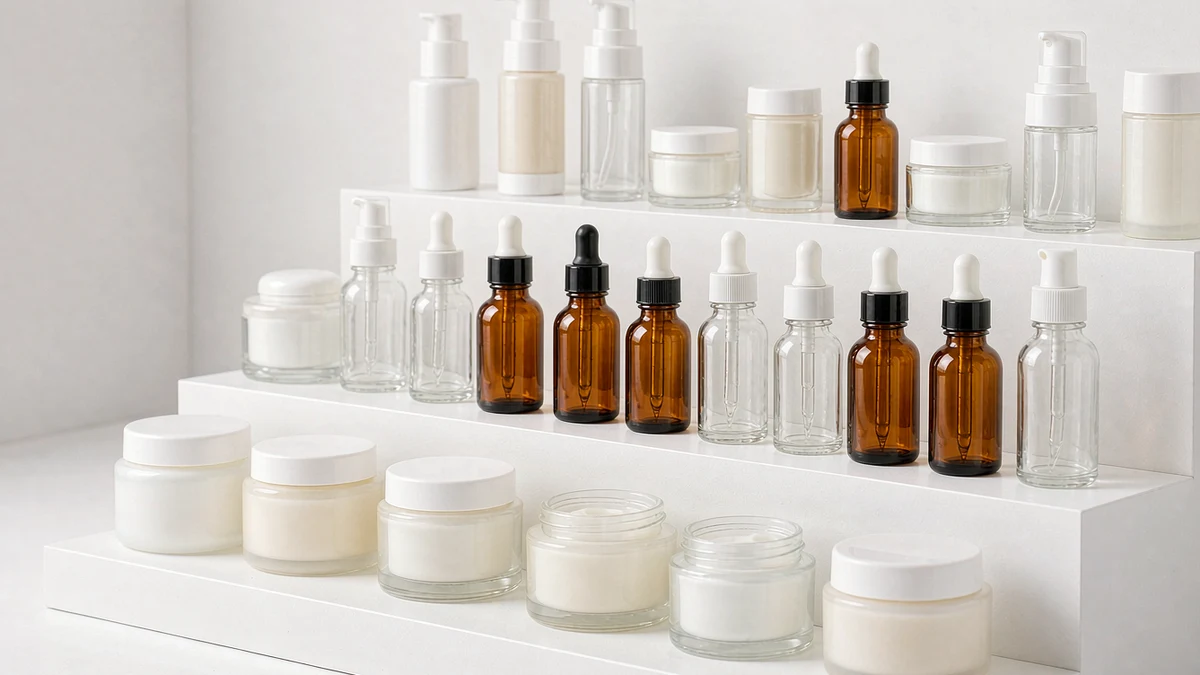
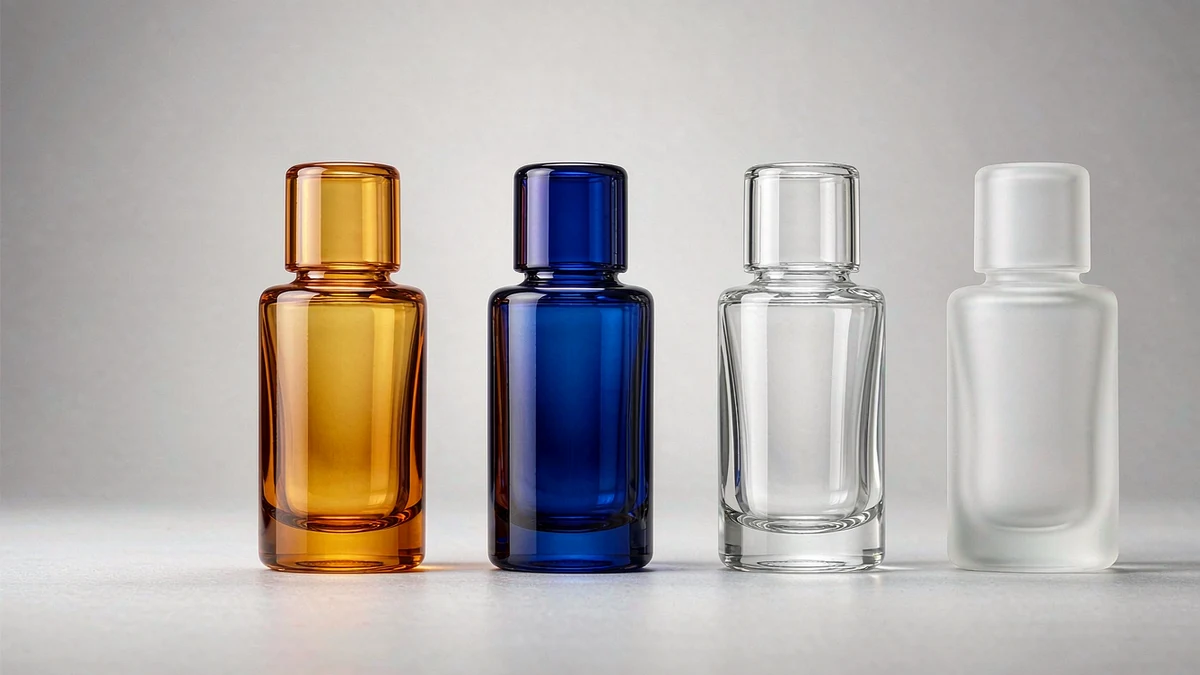
- Glass is the natural primary for refillable lines. It is inert, durable, and reads as premium — amber, clear, or frosted all work. The weight is a feature here: a heavy bottle is one the customer wants to keep.
- PCR or rPET is the usual refill material. A light, mono-material pouch or carton is cheap to ship and easy to recycle when the format is designed for it.
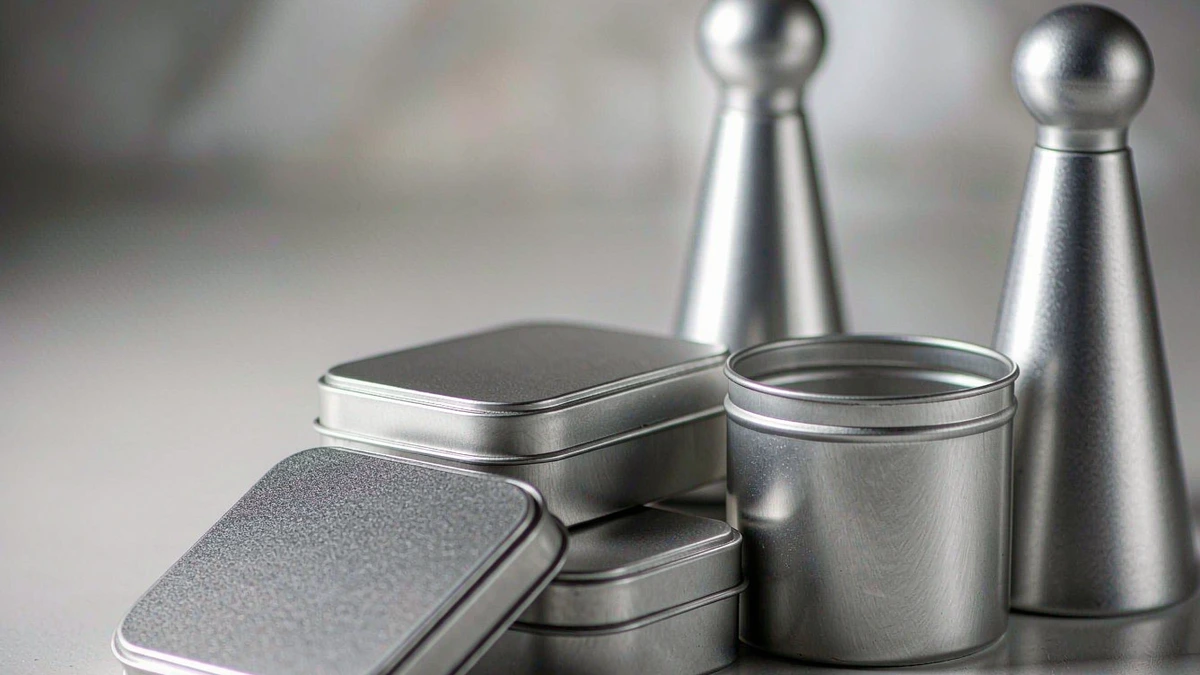
- Aluminum gives a complete light-and-air barrier and suits refill tins or tubes for balms and solids.
A practical split: invest in a durable glass primary, and spend the material budget on making the refill as light and mono-material as possible. For guidance on the glass-versus-plastic tradeoff, our glass vs plastic cream jars breakdown covers the durability and perception angles in more detail. If you are still comparing container options, our ready-to-ship packaging options give you a baseline to spec against.
Dispensing Formats That Refill Well
Not every pack format refills cleanly. The ones that do share a simple trait: a durable outer and a swappable inner.
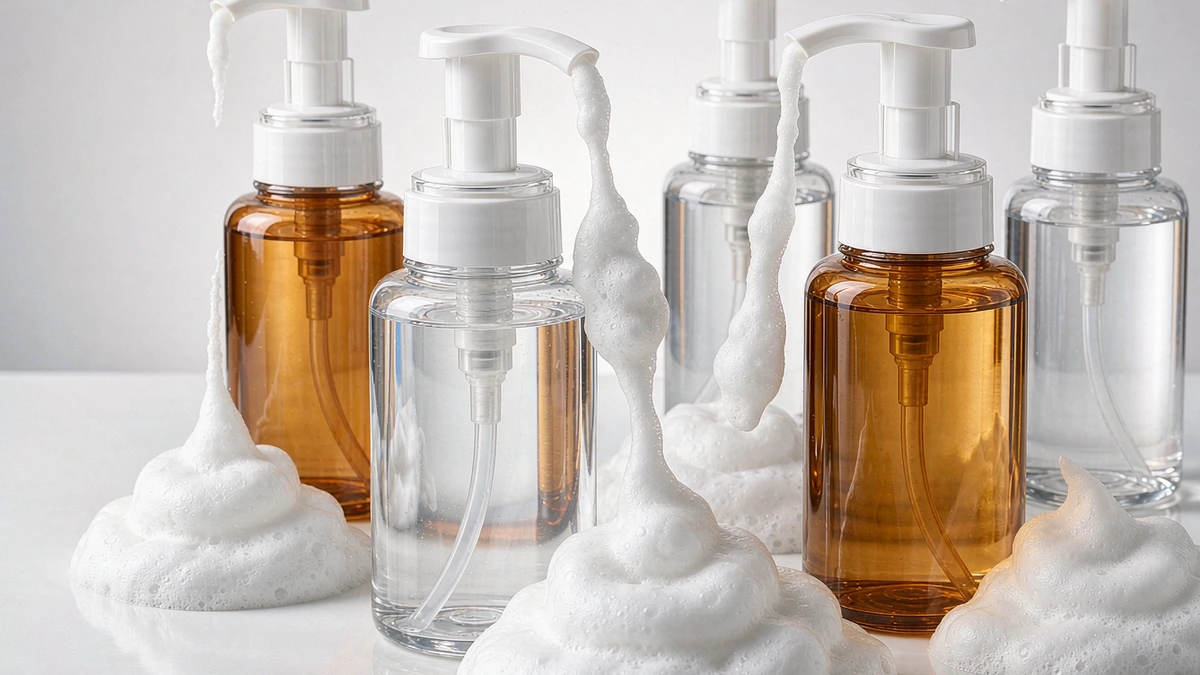
Airless pumps with refillable inner bottles are a strong fit. The pump head is built to last, and the inner reservoir is what gets replaced — exactly the model we describe in our guide to airless pump bottles. The customer keeps the actuator, not the whole unit.
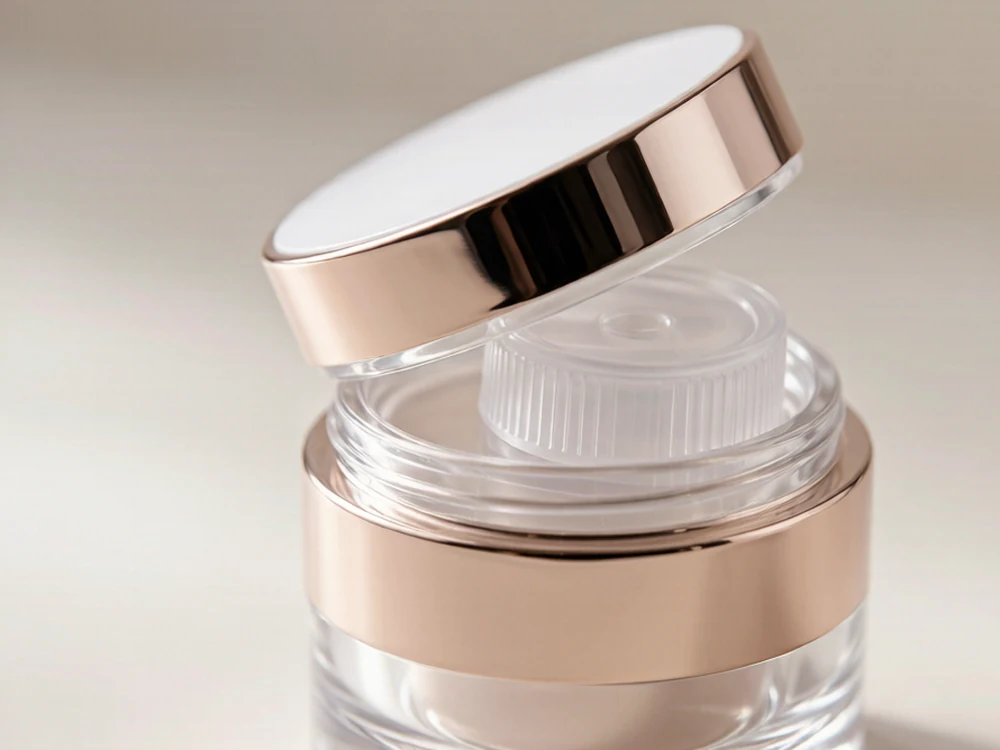
Wide-mouth jars with spatulas or inner seals suit creams and balms. The jar is reused; the refill arrives as a pre-filled insert or a bulk refill the customer decants.
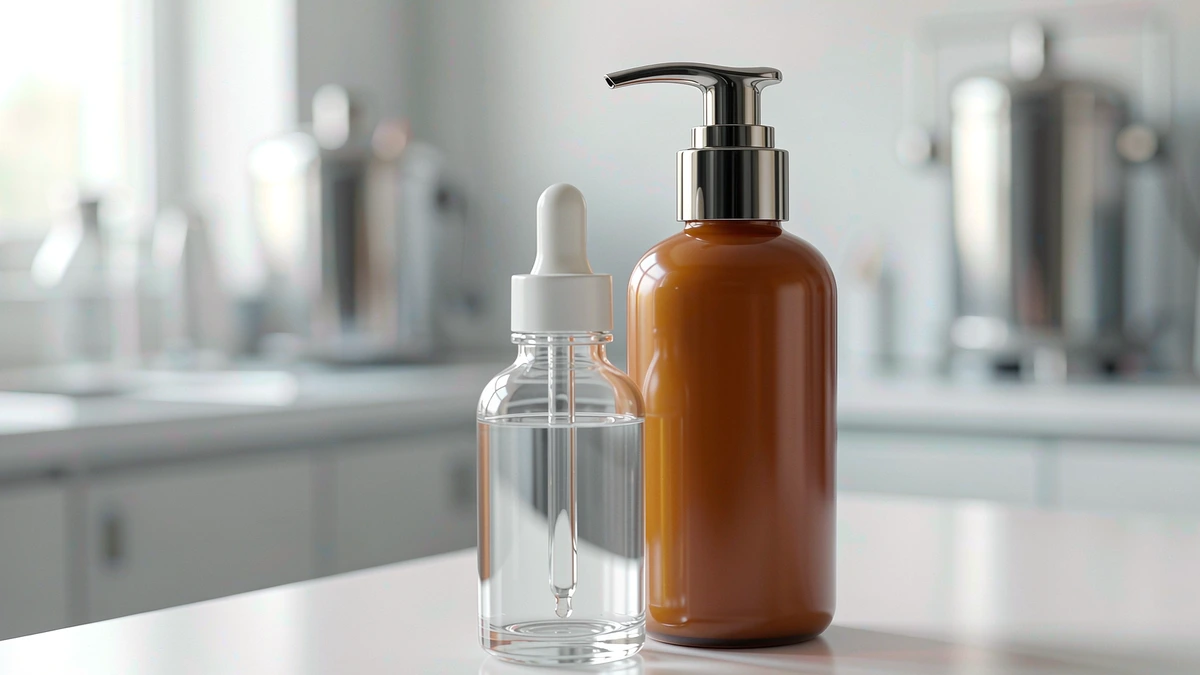
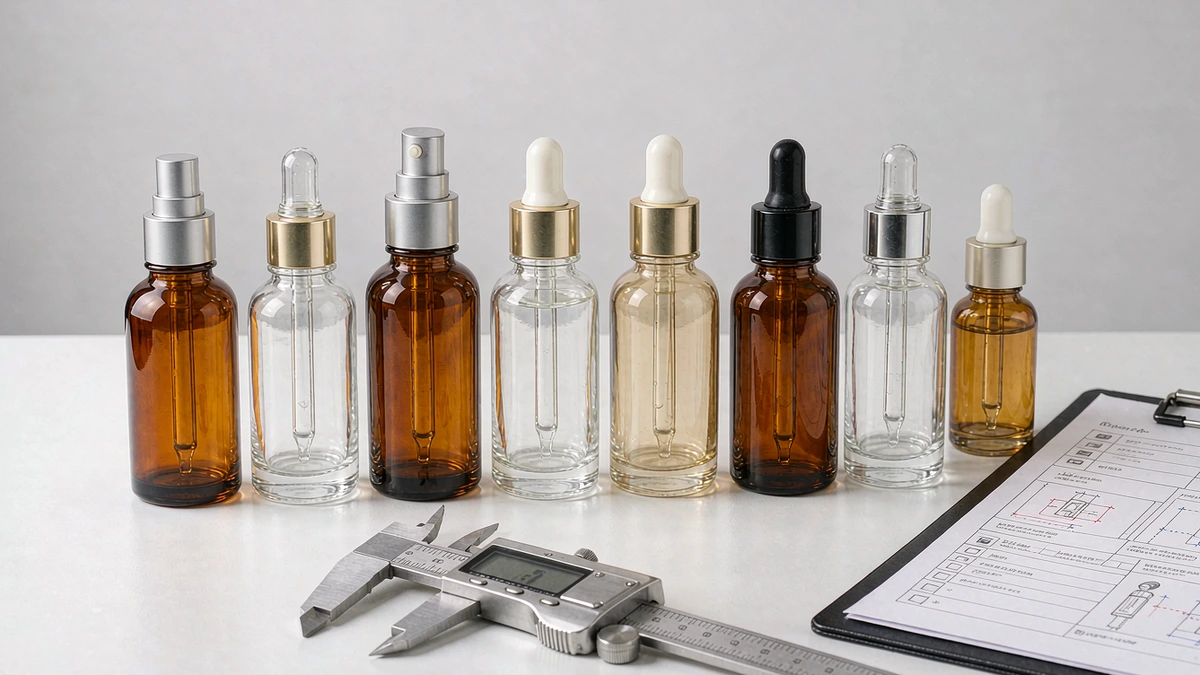
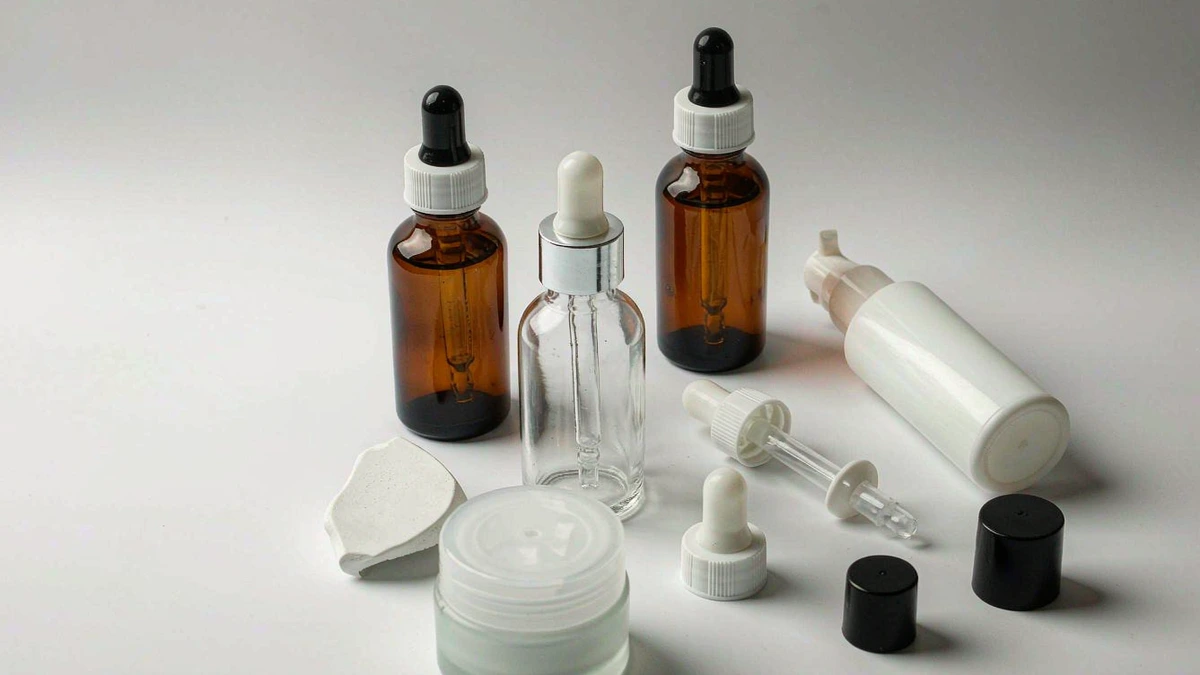
Dropper bottles with refill liquid work for serums, especially in amber glass that protects light-sensitive actives. The bottle stays; only the formula is replenished.
Refill pods or cartridges are the premium end — a pre-filled inner cartridge the customer clicks into the primary shell. Best experience, highest tooling cost, and the strictest tolerance requirements.
Design Details That Make Refills Actually Get Used
The difference between a refill program that works and one that quietly dies is almost always in the details.
- Make it tool-free. If the customer needs scissors or a wrench, the refill will not happen a second time.
- Signal it. A clear “refill” mark on the primary and an obvious insert direction on the refill remove hesitation.
- Offer a channel. A refill subscription on your site, or a retail refill station, turns intent into habit.
- Design for cleaning. Glass that is dishwasher- or sanitizer-safe lowers the hygiene barrier more than any label claim.
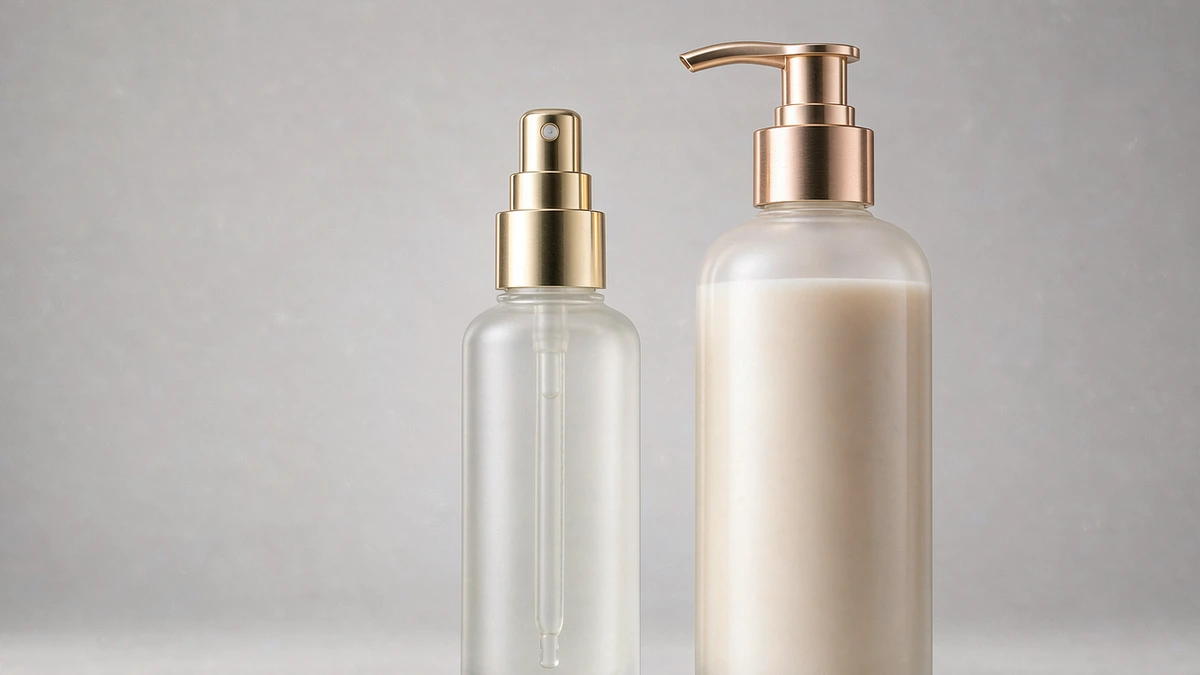
Frosted and tinted glass primaries, covered in our notes on frosted glass bottles, also hide fingerprints and wear — a small but real reason customers keep the bottle in view rather than in a cupboard.
What to Brief Your Supplier On
When you spec a refillable line, the brief has to cover both the primary and the refill — most suppliers are used to quoting one bottle, not a system.
- Primary durability — material and wall thickness rated for repeated use and cleaning.
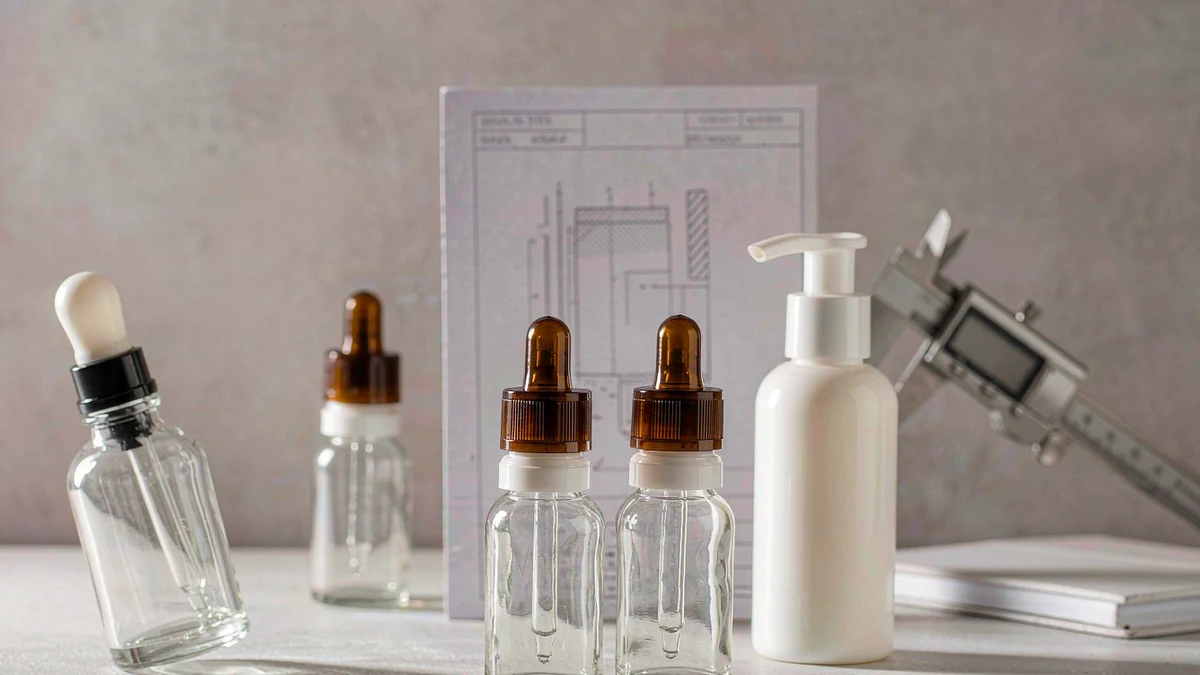
- Refill interface — thread, snap-fit, or cartridge tolerance, validated by samples before tooling.
- Refill material — mono-material, recyclable, light; confirm it meets the market’s rules.
- Sealing — no leak at the primary-to-refill joint, tested filled and inverted.
- Decoration durability — print or coating that survives washing, not just shelf display.
- Compliance — EPR, recyclability claims, and any market-specific refill labeling.
- Fulfillment — how refills ship (pouch, carton, or pre-filled pod) and whether they nest for lower freight.
Planning a Refillable Line?
Tell us your formula type, target capacity and refill concept — we’ll help you match the glass primary, refill format and dispensing system for your launch.
FAQ
Is refillable packaging always better for the environment than recyclable packaging?
Not automatically. A refill only beats a recyclable bottle when the customer actually reuses the primary. The honest comparison is per refill cycle: a durable glass primary plus a light mono-material refill usually wins after two or three refills, but a fiddly system that gets abandoned does not.
What material should the primary refillable bottle be made from?
Glass is the default for premium lines — inert, durable, and perceived as worth keeping. Aluminum works for balms and solids needing a full barrier. The refill itself is usually PCR or rPET film or carton, kept as light and mono-material as possible.
Do airless pumps work with refill systems?
Yes. The pump actuator is the durable part; the inner reservoir is what gets replaced. That keeps a high-quality dispenser in the customer’s hands while only the formula is reordered, which is why airless refills are common in serums and creams.
How do I stop customers from abandoning the refill?
Design the refill to be tool-free, clearly marked, and easy to clean, and give them a refill channel — a subscription or a retail station. If the second refill is harder than opening a new bottle, the program stalls.
What should I ask a supplier for when quoting a refillable line?
Ask for the primary’s rated reuse life, the refill interface tolerance (validated by samples), the refill material’s recyclability, leak testing at the joint, and decoration that survives washing. Most suppliers quote a single bottle, so spell out that you are buying a system.