
How to Source Custom Cosmetic Bottles from a China Manufacturer (OEM/ODM)

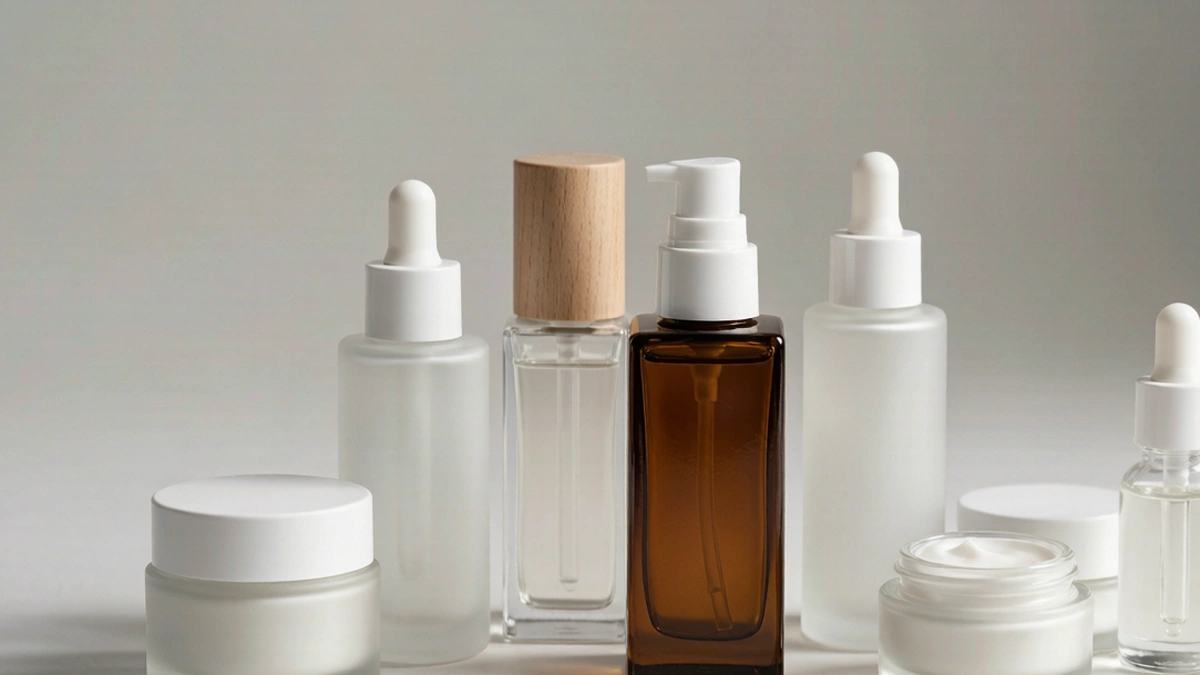
Sourcing custom cosmetic bottles from China is rarely the problem new brands imagine. The factories exist, the tooling is mature, and the price gaps versus domestic suppliers are real. What actually breaks first orders is foggy terminology, weak vetting, and a spec sheet that assumes the factory can read your mind. This guide walks through how OEM and ODM differ, what “custom” really buys you, and the verification steps that separate a reliable packaging partner from a showroom with a logo.
OEM vs ODM: Know Which Model You’re Buying
The terms get used interchangeably, but they decide who owns the design risk.
OEM (Original Equipment Manufacturer) means you bring the drawing, the reference bottle, or a detailed spec — the factory produces to it. You control the shape, the dimensions, the decoration, and the IP. This is the route when you already have a distinct bottle concept and want it built, not borrowed.
ODM (Original Design Manufacturer) means the factory supplies the mold library and often the design. You pick from existing shapes, apply your color, your decoration, and your logo, and go to market faster. It is cheaper to start and quicker to launch, but the silhouette is shared with other brands unless you pay for exclusivity or a modified mold.
Neither is “better.” OEM suits brands defending a recognizable shape; ODM suits brands optimizing for speed and floor price. Many suppliers offer both, so name the model in writing before the quote begins.
What “Custom” Actually Covers
Customization is not a single switch. It stacks across several layers:
- Mold — a fully bespoke cavity, a modified stock mold, or a straight stock item.
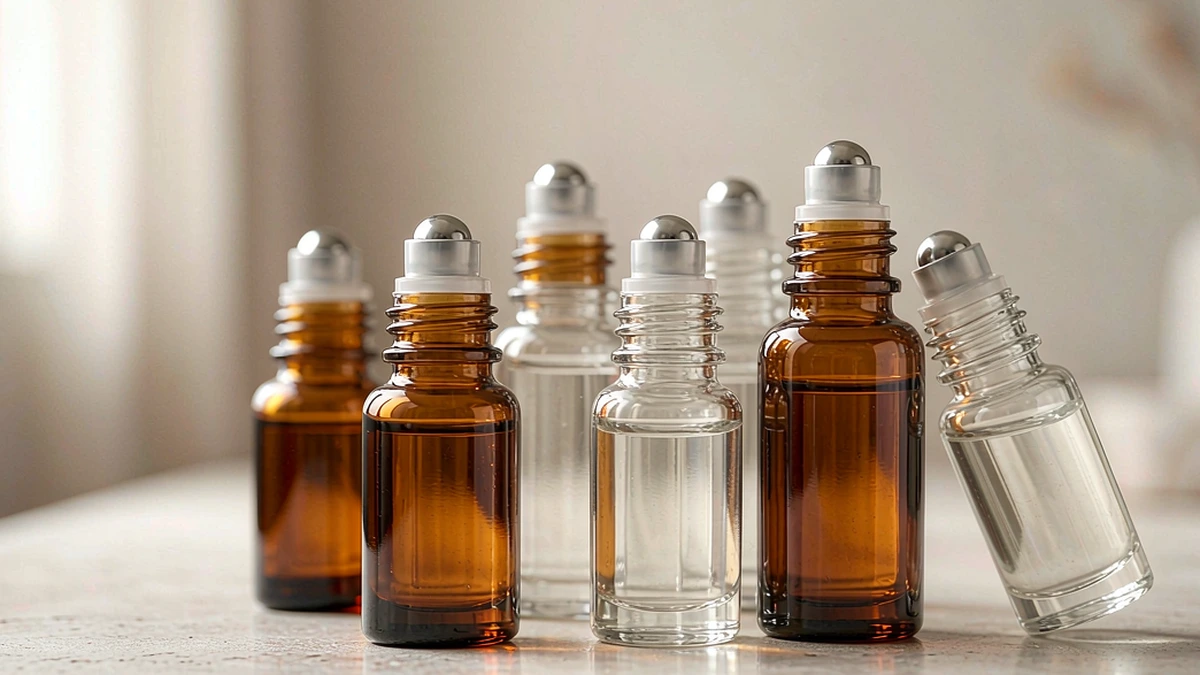
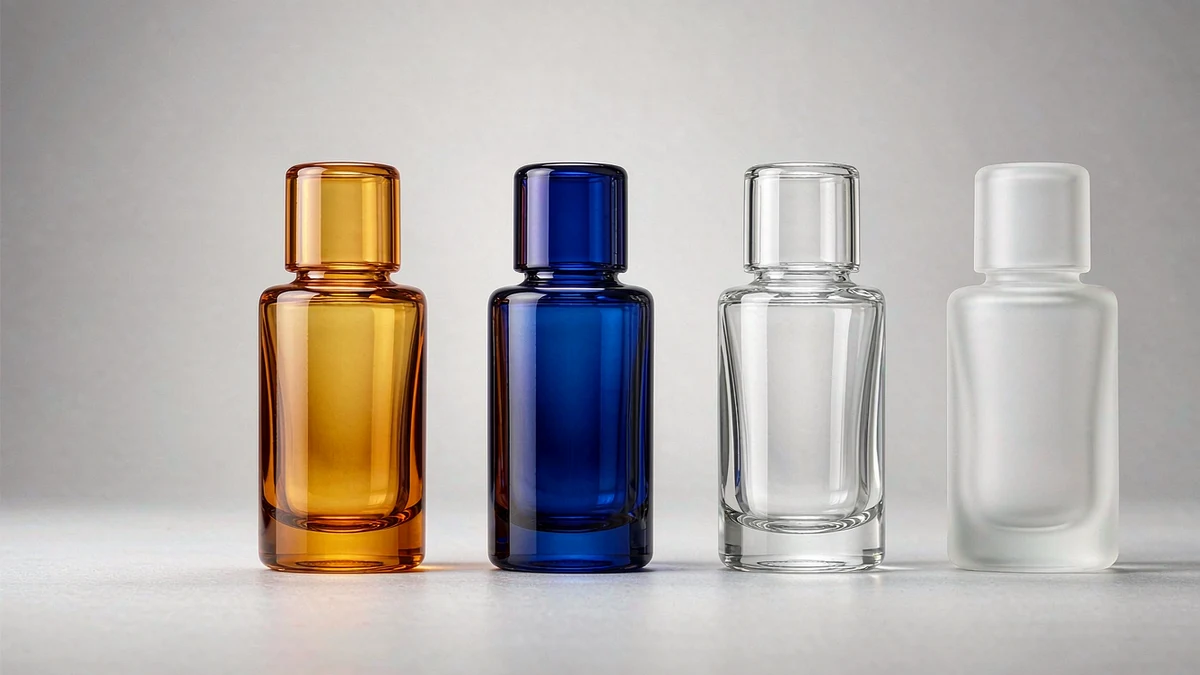
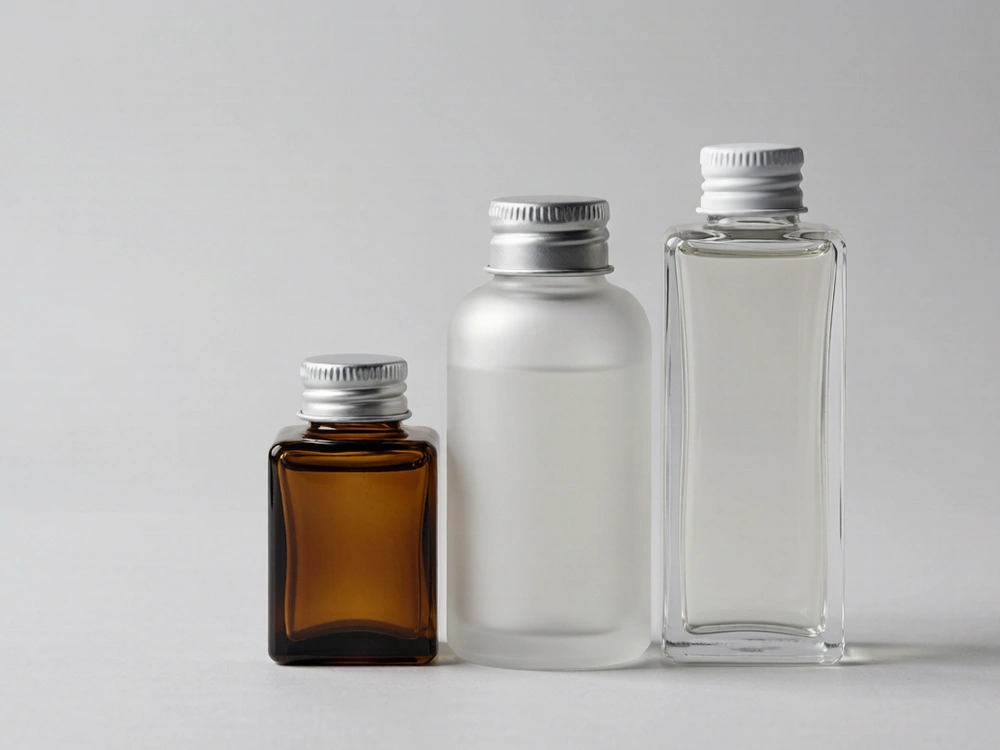
- Material — flint (clear) glass, amber, cobalt, frosted, or PCR-containing plastic, each with its own MOQ and cost curve.
- Color and finish — sprayed color, gradient coating, frosting, UV coating, metallization.
- Decoration — silk-screen printing, hot stamping, labeling, debossing. Our guide to decorating cosmetic bottles covers where each process earns its cost.
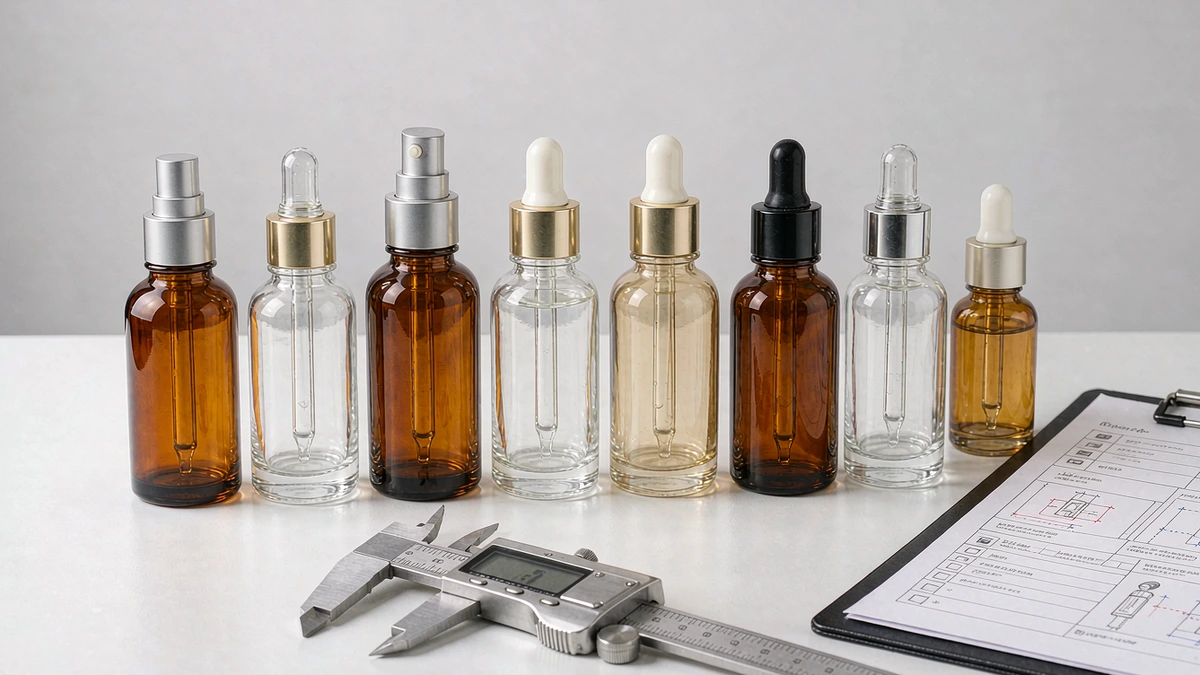
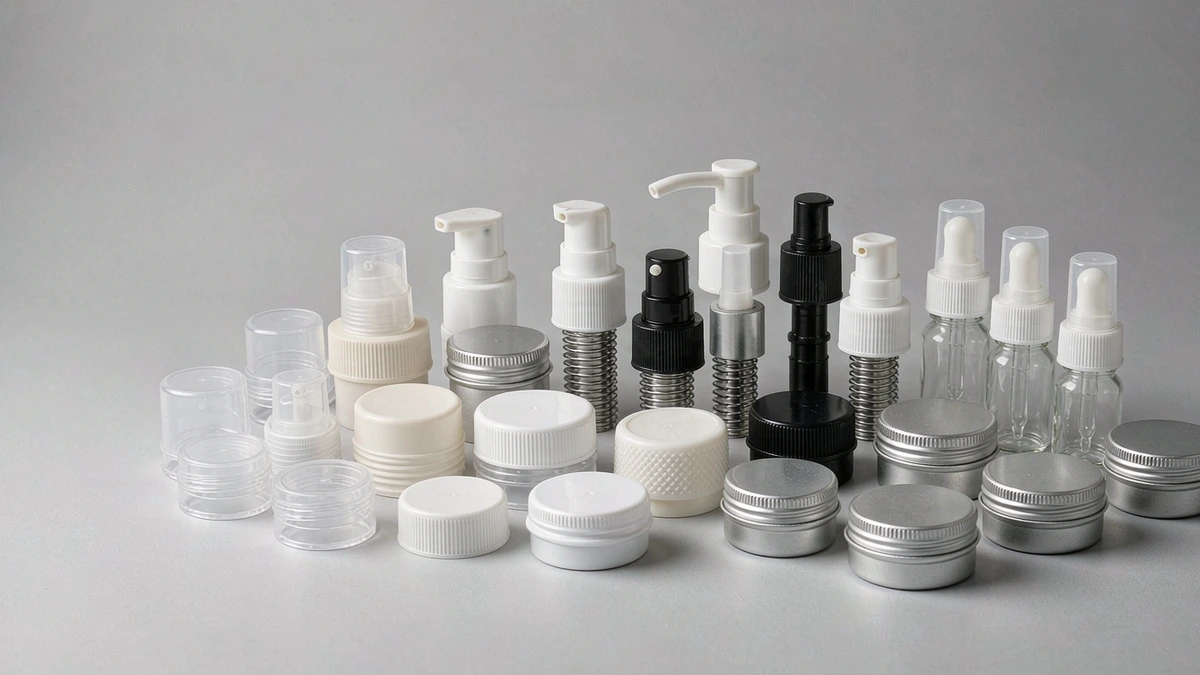
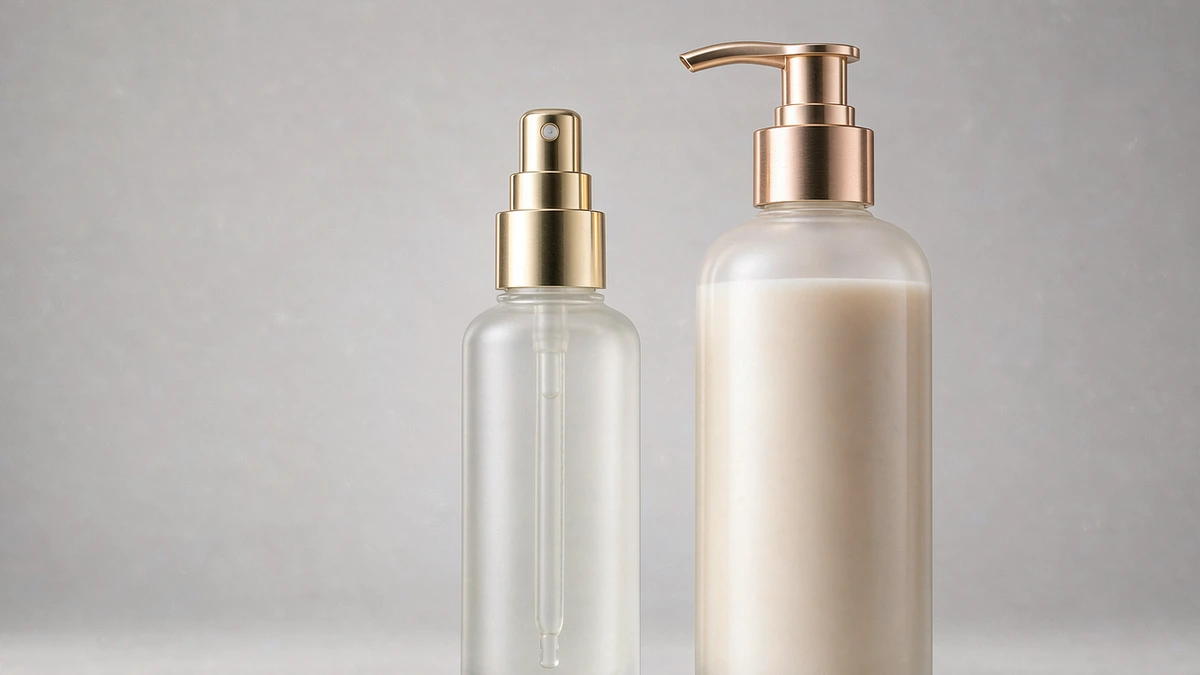
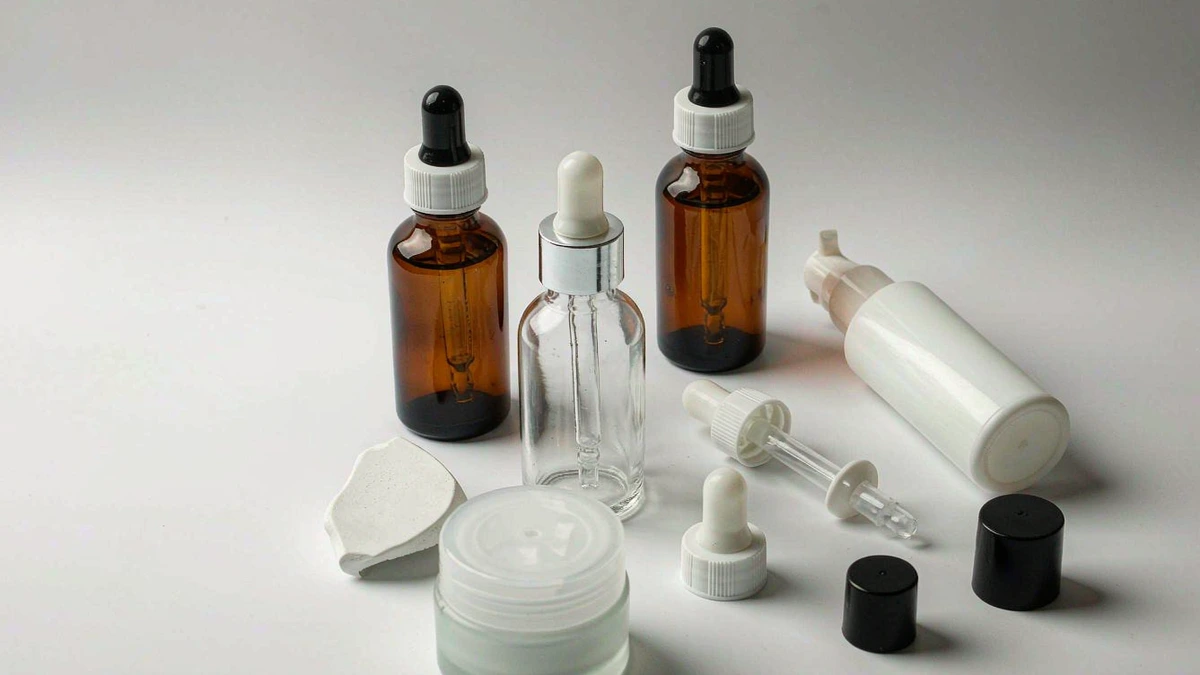
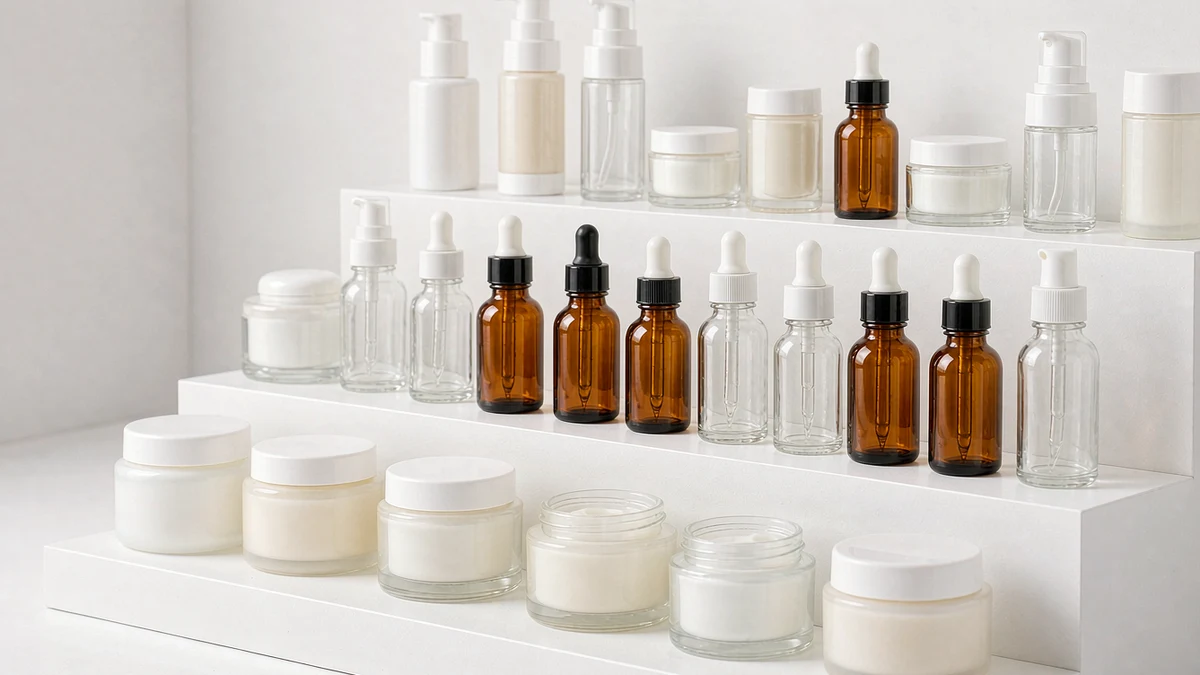
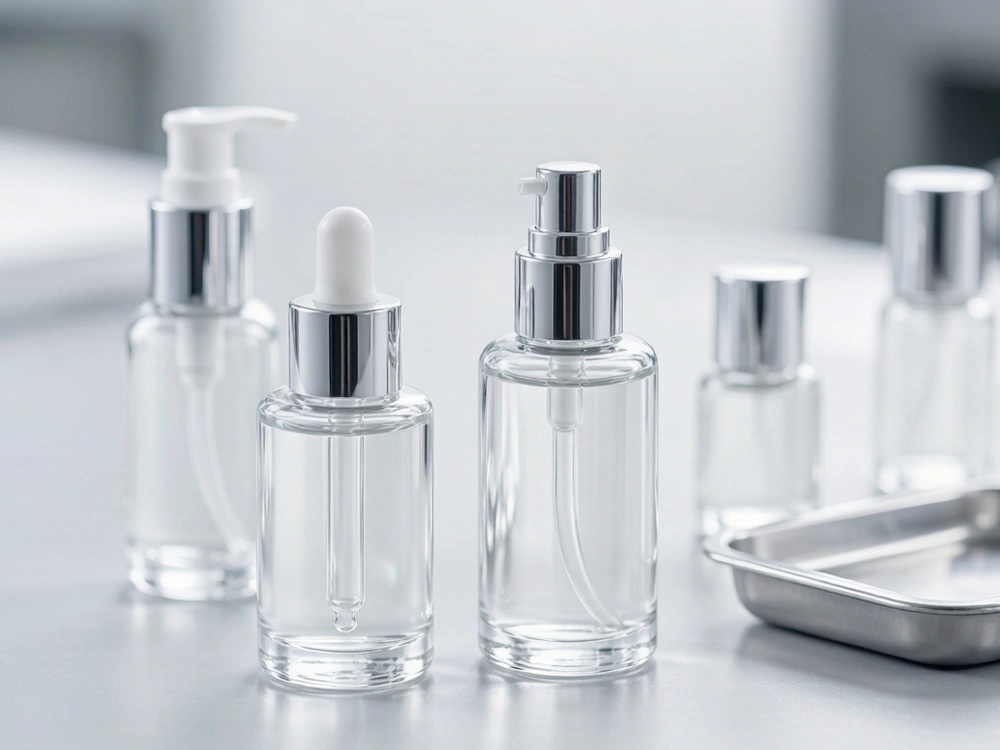
- Closure system — dropper, pump, fine-mist sprayer, airless, or cap. Each must seat on a specific neck finish. Matching bottles, pumps, droppers, and caps to the right neck size is the step beginners routinely skip, and it is the most common source of leak complaints.
The mistake is quoting “a custom bottle” as if it were one line item. It is five or six independent decisions, and each one moves MOQ, tooling, and lead time.
MOQ, Lead Time, and Payment Terms
Industry norms for custom glass bottles out of China run roughly 3,000–10,000 pieces for existing molds and 10,000+ for a brand-new cavity, though simpler stock items can sit lower and complex bespoke shapes higher. Mass production typically spans 25–45 days after samples are approved, with mold development adding 15–45 days and sampling 7–20 days on top. Sea freight then adds another 20–40 days depending on port and season.
Payment terms almost always follow 30% deposit with 70% against a copy of the bill of lading. Sample fees are frequently refunded against a confirmed bulk order. Treat any supplier demanding 100% upfront, or routing payment to a personal account, as a stop sign. The MOQ piece is worth reading in full before you plan a launch run — see our breakdown of cosmetic packaging MOQ.
How to Vet the Factory, Not the Showroom
A polished website is not a factory. Before requesting a quote, confirm the business license scope lists manufacturing, not just trading. A true manufacturer owns blow-molding or injection equipment, runs its own decoration line, employs engineers and QC staff, and will walk you through the production floor on video without hesitation. Trading companies are not automatically bad — they can aggregate capacity — but you should know you are buying through a layer that does not control the line.
Ask to speak with the production manager or R&D lead. Factories usually allow it; intermediaries usually redirect you to sales. Request ISO 9001 at minimum, and verify the certificate number against the issuing body rather than accepting a PDF. For cosmetics-adjacent packaging, ISO 22716 (GMP) documentation is a strong signal, and BRCGS or FSSC 22000 matter if hygiene controls are part of your brief.
Quality Control: From Sample to Shipment
Consistency, not a pretty sample, is the product. Require samples pulled from the same tooling and line that will run your bulk order — “sample baiting,” where a hand-finished prototype hides a weak production process, is a known trap. From there, agree on an AQL-based pre-shipment inspection (commonly AQL 2.5 for appearance, AQL 4.0 for structure) and put the defect limits in writing.
For formula-bearing products, compatibility between bottle, closure, and product is non-negotiable. Our compatibility testing guide lays out how to test bottles, pumps, and formulas before production so you are not discovering leaching or seal failure after fill. If your formula is light-sensitive, pair the packaging decision with the amber vs clear glass tradeoff rather than assuming one finish covers it.
Compliance and Documentation
Export packaging lives or dies on paperwork. Depending on your market, you may need REACH and RoHS alignment for the EU, FDA-relevant material documentation for the US, and — from 2026 — attention to the EU PPWR requirements on recyclability and plastic reduction. Ask for material test reports, not just assertions. A supplier that cannot produce traceable documentation is a liability the moment a customs hold or a retailer audit appears.
Common Pitfalls That Derail First Orders
- Chasing the lowest unit price and absorbing it back through defects and returns.
- Approving a showroom sample instead of a production-line sample.
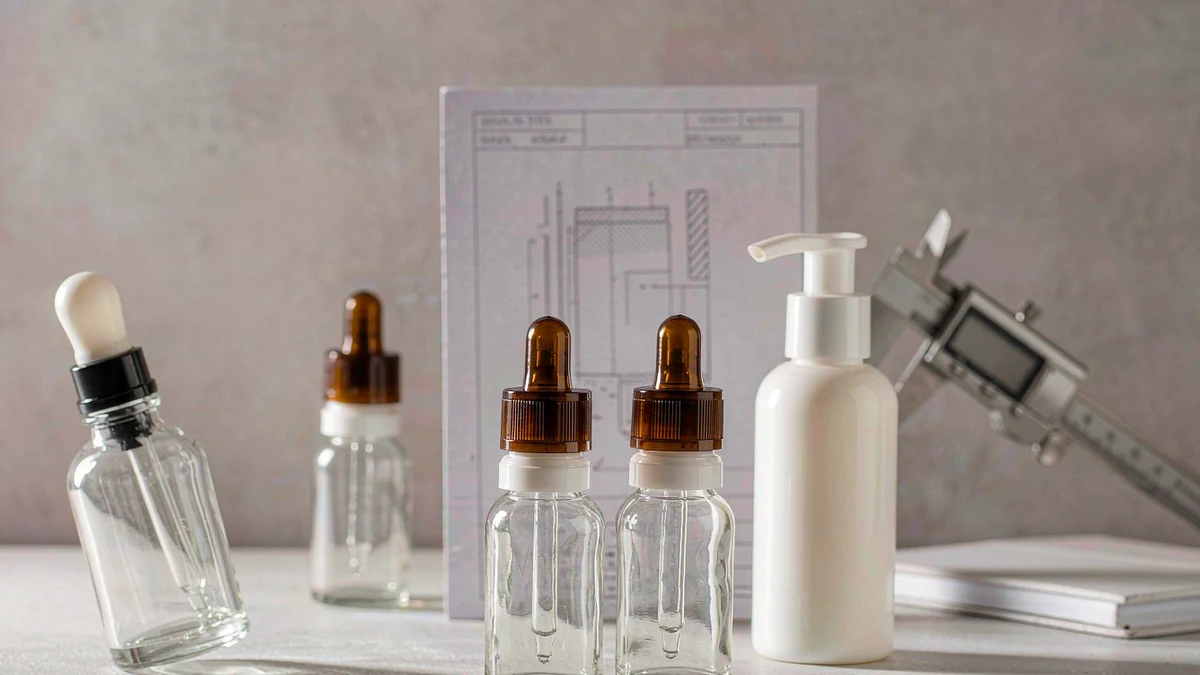
- Leaving neck finish, wall thickness, and torque specs out of the written order.
- Signing away mold ownership or failing to secure exclusivity on an ODM shape.
- Skipping the NDA before sharing a proprietary design.
- Forgetting that peak-season capacity compresses lead times by weeks.
Build a Spec Brief Before You Ask for a Quote
The highest-leverage step is writing the brief before you request a quote. Capture: capacity and tolerance, material and color, finish and decoration, closure type and neck size, decoration artwork and placement, target MOQ, required certifications, and an acceptable defect rate. A complete brief turns a vague “can you make this?” into a comparable quote you can actually evaluate across suppliers. It also tells a serious factory that you know the process — which quietly improves the pricing and the service you get back.
If you are still weighing the container type itself, our glass vs plastic breakdown frames the tradeoffs, and the dropper vs pump vs airless comparison helps you lock the dispensing format before you brief a factory.
Sourcing Custom Bottles for Your Line?
Tell us your product type, target capacity, material, and decoration — we’ll help you scope MOQ, lead time, and the right factory model (OEM or ODM) for your launch.
FAQ
What is the difference between OEM and ODM for cosmetic bottles?
OEM means you supply the design, drawing, or detailed spec and the factory builds to it — you own the shape and the IP. ODM means the factory provides the mold library and often the design; you apply your color, decoration, and logo and launch faster, usually sharing the silhouette with other brands unless you pay for exclusivity or a modified mold.
What is a typical MOQ for custom glass bottles from China?
For existing stock molds, custom glass bottles typically run about 3,000–10,000 pieces; a fully bespoke new cavity usually starts at 10,000+ pieces to amortize tooling. Simpler stock items can sit lower, and complex bespoke shapes higher — the exact floor depends on material, finish, and decoration.
How long does it take to produce custom cosmetic bottles in China?
After samples are approved, mass production commonly takes 25–45 days. Mold development adds 15–45 days and sampling 7–20 days on top, and sea freight adds another 20–40 days by port and season. Plan a launch run at least 45 days out, and longer during peak season.
How do I verify a Chinese cosmetic bottle manufacturer is a real factory?
Check that the business license scope lists manufacturing, not just trading; confirm the factory owns molding/decoration equipment and will walk you through the production floor on video; ask to speak with the production or R&D lead; and verify ISO 9001 (and ISO 22716 for cosmetics-adjacent work) against the issuing body rather than accepting a PDF.