
Foam Pump Bottles: A Buyer’s Guide to Sizes, Neck Finish & Best Uses

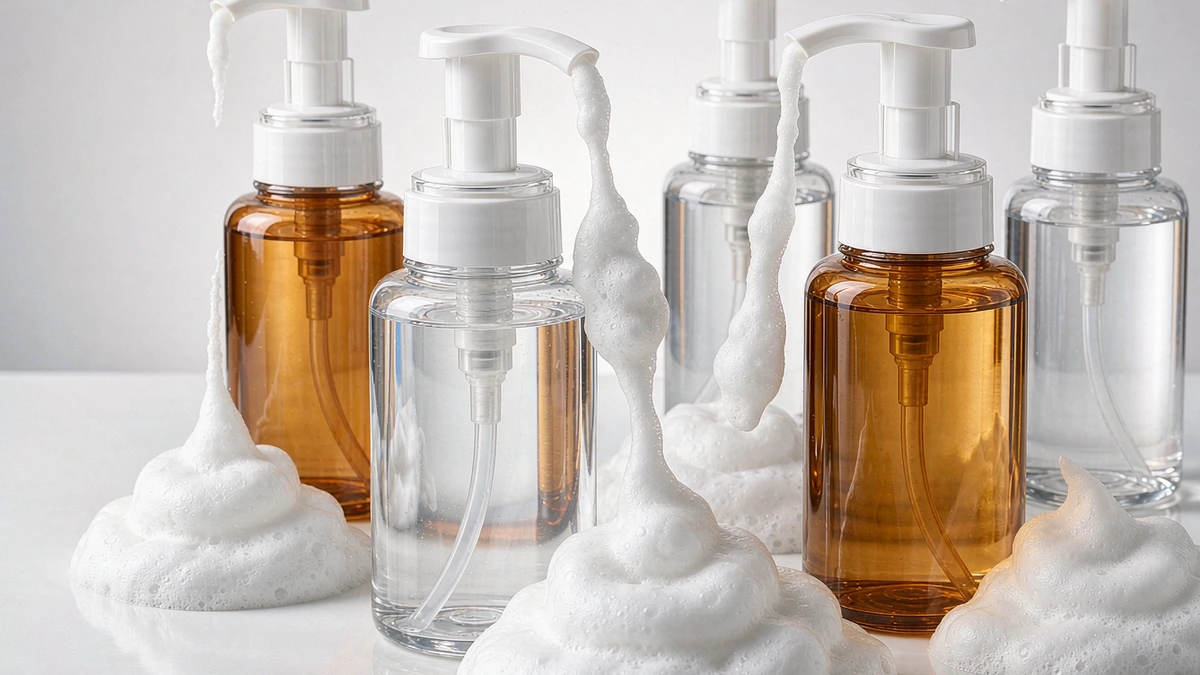
Most buyers know they need a pump, then stop thinking. But a pump is not a pump. A foam pump turns a thin liquid into a ready foam on the press stroke, which changes dosage, user experience, and even how much product you ship per unit. If you formulate hand soap, a cleansing mousse, or a foaming sanitizer, the foamer is often the right dispenser and a standard lotion pump is the wrong one. This guide explains how a foam pump works, how it differs from a sprayer or a lotion pump, and the size and neck finish decisions that decide whether it performs on the shelf.
We keep Venturove-specific claims out of the technical sections. Where a choice depends on what we can actually stock and certify, we point you to the place to confirm it rather than guess.
Key Takeaways
A foam pump aerates liquid into foam by mixing product with air and forcing it through a fine mesh screen. It delivers foam, not a liquid mist or a measured liquid dose.
Foam pumps need a low-viscosity, surfactant-based formula. They clog on thick creams, gels, and oils, so they are not a universal pump.
Common foam pump neck finishes are 20/410, 20/415, 24/410, 24/415, and 28/410. The bottle must carry the exact matching finish.
Typical foam output per stroke runs from about 0.4 cc to 1.5 cc. Smaller output gives denser foam, larger output gives lighter, airier foam.
Foam pumps usually ship with a transit lock and must be leak-checked for export and air freight, where pressure and temperature swings can open a loose actuator.
Choose a foamer when the user benefits from pre-foamed product and controlled dosage, a sprayer when you want a fine liquid mist, and a lotion or airless pump when you want a measured liquid dose.
How a Foam Pump Actually Works
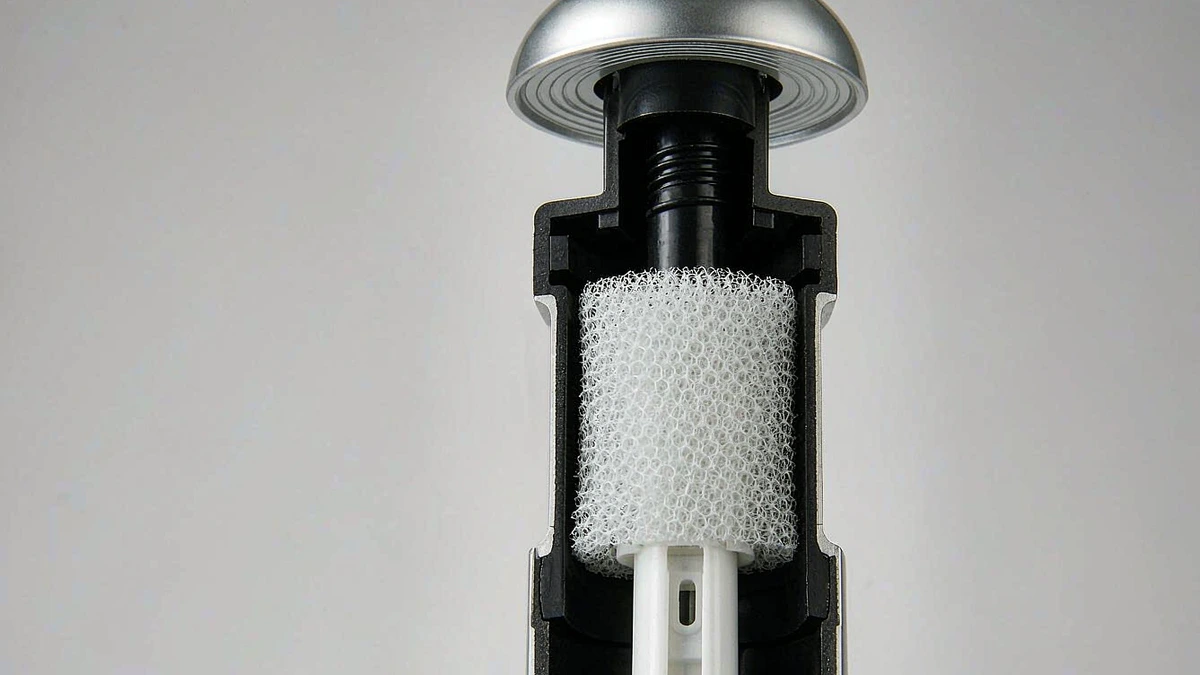
A foam pump, also called a foamer or foaming dispenser, has four jobs done in one stroke: draw, mix, aerate, dispense. When you press the actuator, the piston pulls product up the dip tube and inducts air at the same time. The liquid and air are pushed through a fine mesh screen (the aerator insert, usually a PE or stainless mesh in the 100 to 300 mesh range) that shears the mix into a stable foam. No propellant gas is involved, which is why a foamer is a popular aerosol-free alternative for shaving foam and sanitizer.
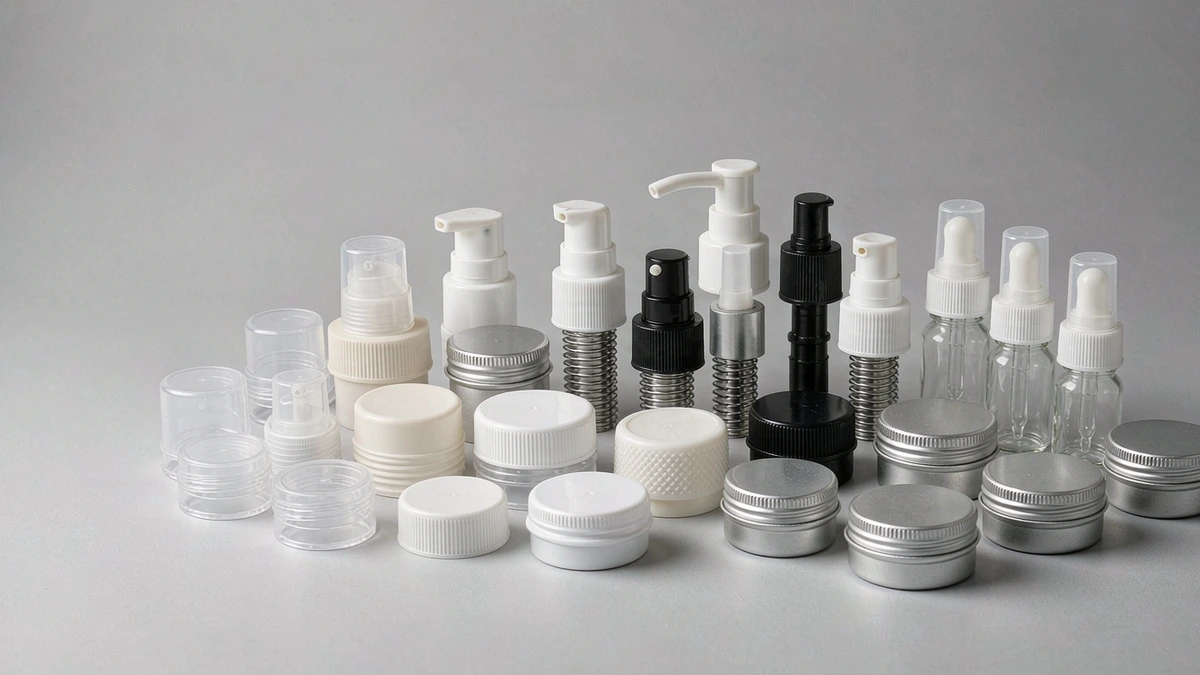
The parts that matter for buyers are the actuator, the PP closure, the piston and spring chamber, the PE dip tube, and that mesh screen. If any one is wrong for your formula, you get weak foam, clogging, or leakage rather than a clean lather.
Foam Pump vs Spray Bottle vs Lotion Pump
This is the decision most teams get wrong. The three dispensers look similar on the shelf but behave differently:
| Dispenser | What it delivers | Best for | Avoid for |
|---|---|---|---|
| Foam pump | Pre-aerated foam | Hand soap, cleansing mousse, foam sanitizer | Thick creams, oils, gels |
| Spray bottle | Fine liquid mist | Toner, setting spray, room mist | Products meant to lather |
| Lotion / treatment pump | Measured liquid dose | Lotion, serum, liquid foundation | Products best used as foam |
| Airless pump | Hermetic liquid dose | Sensitive, oxygen-sensitive actives | Simple foam applications |
Use our cosmetic spray bottle guide if you are deciding between a foamer and a fine mist, our lotion vs treatment pump guide for liquid-dose output, and our airless pump guide when contamination control is the priority.
Choose the Right Foam Output
Foam output, the volume dispensed per full stroke, typically ranges from about 0.4 cc to 1.5 cc. A smaller output (around 0.4 to 0.8 cc) produces a denser, richer foam that suits premium cleansing mousse and concentrated formulas. A larger output (around 1.0 to 1.5 cc) gives a lighter, airier foam that suits hand soap and body wash where a bigger lather is expected. Pick the output to match the formula viscosity and the feel you want, not the catalog default.
Match the Neck Finish
The closure must match the bottle neck finish, or the foamer will not seat and seal. Foam pumps most often come in 20/410, 20/415, 24/410, 24/415, and 28/410. Bottles and foam pumps are sourced as a pair, so confirm the finish before you tool or buy. If you are still matching bottles to closures, start with our cosmetic bottle neck sizes guide. The dip tube length also has to reach the bottle bottom without curling, so bottle height and foam pump selection move together.
Bottle and Formula Compatibility
A foam pump only works with thin, water-like, surfactant-based liquids. The mesh screen will clog on anything you cannot pour freely, so thick creams, balms, and most oils are out. The housing and closure are typically polypropylene, the dip tube polyethylene, and the spring either 304 stainless or all-plastic. For formulas that are aggressive or fragrance-heavy, an all-plastic spring path can remove a corrosion risk, but that is a compatibility call you should verify rather than assume. If you are unsure, run a documented check using our packaging compatibility testing process before you commit to a production run.
Best Uses and Applications
Foam pumps earn their place in products where a ready lather improves the experience or cuts waste:
Hand soap and foam sanitizer. The classic use. A small dose of concentrated soap foams enough to wash hands, which lowers cost per use and suits refill stations.
Facial cleansing mousse. Pre-foamed product feels premium and removes the step of working a thick cleanser into lather, which matters for sensitive skin routines.
Shaving foam and men’s grooming. A popular aerosol-free format for shaving foam and beard wash.
Baby and pet products. Gentle, controlled foam suits baby shampoo and pet wash where you want to limit how much product lands on the animal.
Leak-Proofing for Shipping
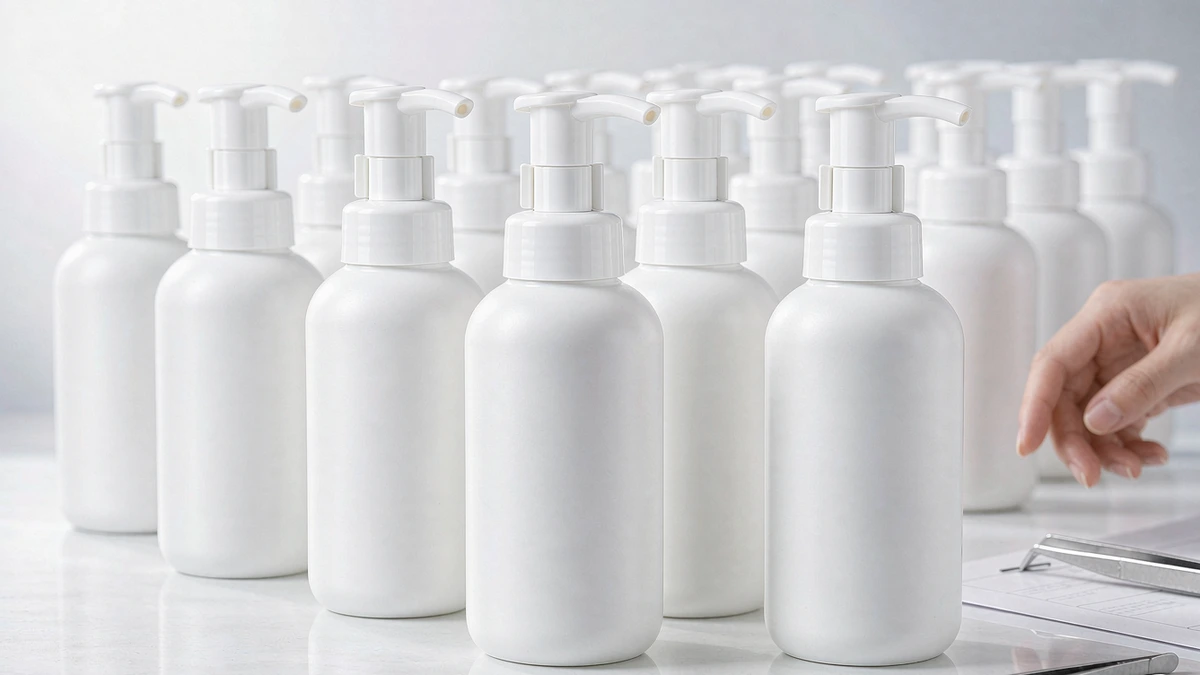
Foam pumps ship with a transit lock, a clip or twist-lock that stops the actuator from being pressed. Keep it engaged until the point of sale. For export and air freight, pressure and temperature swings can force a loose actuator open, so verify the seal after the bottle is filled and locked, not just on an empty sample. Match the neck finish tightly, keep the dip tube correct, and confirm foam output on a filled unit rather than an empty one.
Why Foam Pumps Help on Sustainability
Aeration multiplies the volume you dispense, so a foamer often uses less actual product per wash than a liquid pump does. That supports “less is more” messaging and can shrink the fill volume you ship. Refillable foamer bottles extend the format further by keeping the pump and reusing the bottle. As with any claim, keep it tied to your real formula and dosage rather than a generic green statement.
Need Help Specifying the Right Foam Pump?
Tell us your formula viscosity, target foam output, and neck finish. We will match the bottle, foam pump, and minimum order quantity to your product, and confirm which foam pump options are actually available for your market.
FAQ
What is the difference between a foam pump and a spray bottle?
A foam pump mixes product with air and pushes it through a mesh screen to make foam, while a spray bottle forces liquid through a swirl nozzle to make a fine mist. A foamer gives you lather; a sprayer gives you droplets. They are not interchangeable, and our cosmetic spray bottle guide covers the mist side in detail.
Can I use a foam pump for thick creams or oils?
No. Foam pumps need a thin, surfactant-based, water-like formula. Thick creams, balms, and most oils clog the mesh screen and either stop foaming or leak. For those products you want a lotion pump or a different closure entirely.
Which neck finish do foam pumps use?
The common foam pump neck finishes are 20/410, 20/415, 24/410, 24/415, and 28/410. The bottle must carry the exact matching finish, and the dip tube length must suit the bottle height. Confirm the finish before sourcing either part.
How much foam comes out per pump?
Typical foam output is about 0.4 cc to 1.5 cc per stroke. Around 0.4 to 0.8 cc gives a denser foam for premium mousses; around 1.0 to 1.5 cc gives a lighter foam for hand soap. Choose the output for the feel and dosage you want.
How do I know which foam pump Venturove can supply?
Foam pump neck finishes, output options, MOQ, and any regional compliance certs vary by SKU and market, so we confirm those per inquiry instead of publishing a fixed list. Share your formula viscosity and target output through our contact page, and we will match the bottle and foam pump to your product. For volume planning, see our cosmetic packaging MOQ guide.