
Cosmetic Packaging for Sensitive & Eczema-Prone Formulas

Why Sensitive-Skin Formulas Need More Than a Pretty Bottle
For a consumer with sensitive or eczema-prone skin, the product inside the bottle is only half the story. If the formula degrades, oxidizes, or picks up contamination on its way to the skin, the result can be exactly the irritation the brand worked hard to avoid. Packaging is not a passive container for this category — it is part of the product’s safety system.
That changes the buying decision. A brand launching a gentle formula needs packaging that blocks light, limits air exposure, resists microbial contamination, and never reacts with the formula itself. It also needs packaging that communicates care: tamper-evident seals, hygienic dispensers, and clear, honest labeling. Get these right, and packaging becomes a genuine competitive advantage for a trust-sensitive audience.
The Four Risks Your Packaging Must Manage
Sensitive-skin formulas are usually built around actives that are fragile by nature — antioxidants, natural oils, peptides, vitamin C. The packaging has to control four environmental threats:
| Risk | What it does to the formula | Protective packaging |
|---|---|---|
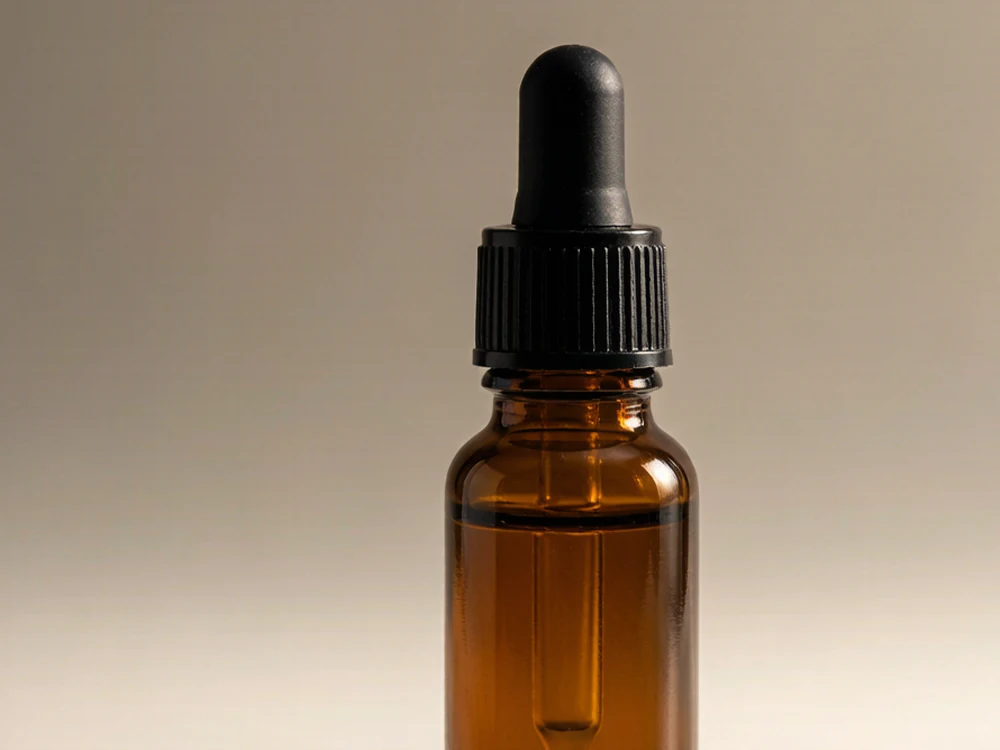
| Light exposure | UV degrades vitamin C, retinoids and plant oils, reducing efficacy | Amber or opaque glass, light-blocking containers |
| Oxygen | Oxidizes oils, deactivates peptides, changes color and smell | Airless pumps, vacuum-sealed containers, minimal headspace |
| Moisture and microbes | Causes spoilage and bacterial growth; can trigger reactions | Glass, HDPE or PP with secure seals, hygienic dispensers |
| Material migration | Plasticizers or residual compounds leach into the formula | BPA-free materials, inert glass, validated compatibility |
The same rule applies across all four: the less the formula is exposed to anything outside itself, the fewer preservatives and stabilizers it needs — and the gentler the final product can be.
Choosing the Right Material for Sensitive Formulas
Material selection is the first decision, because it determines both chemical safety and consumer perception.
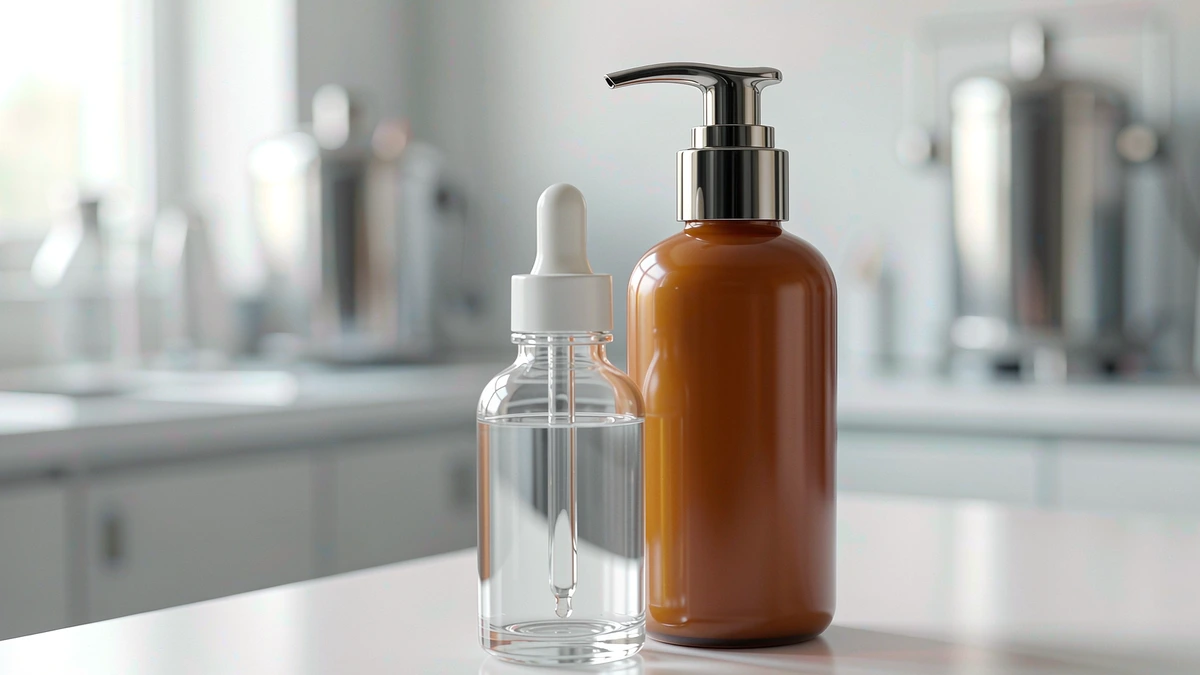
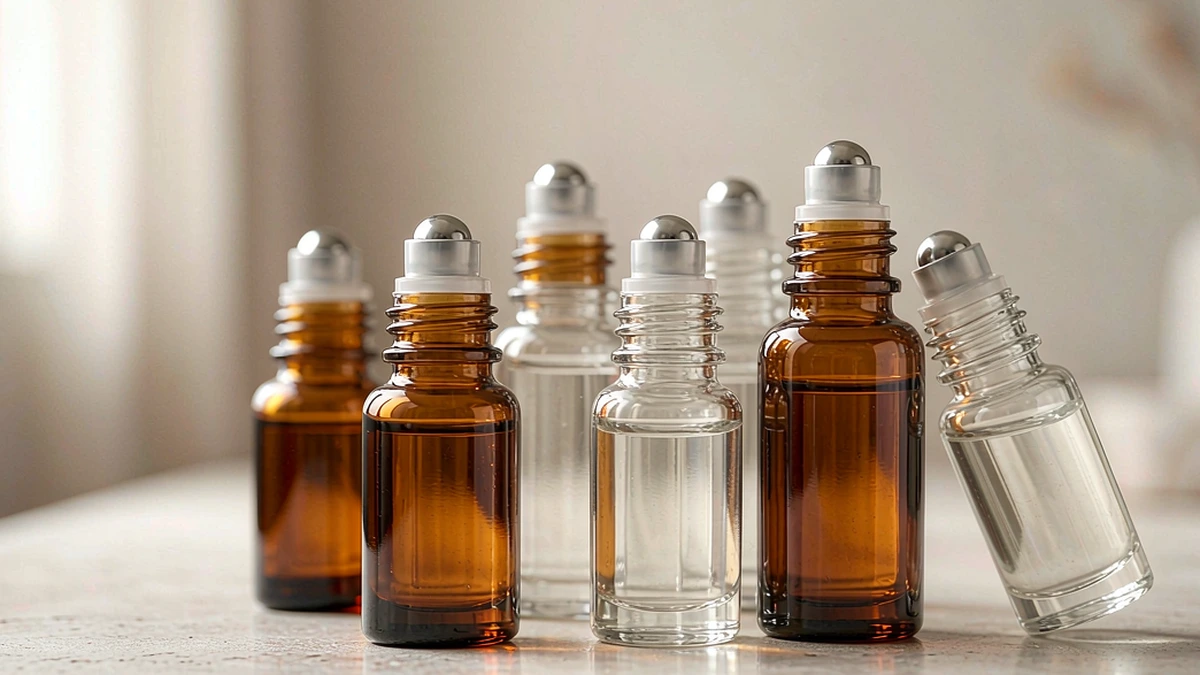
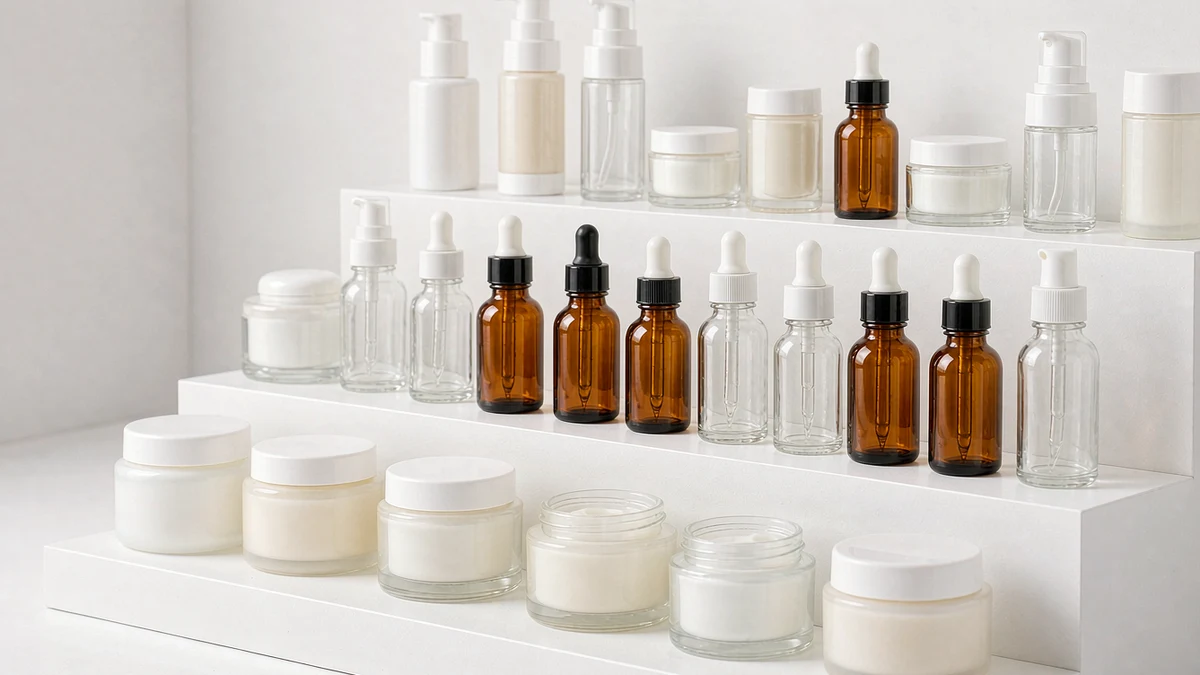
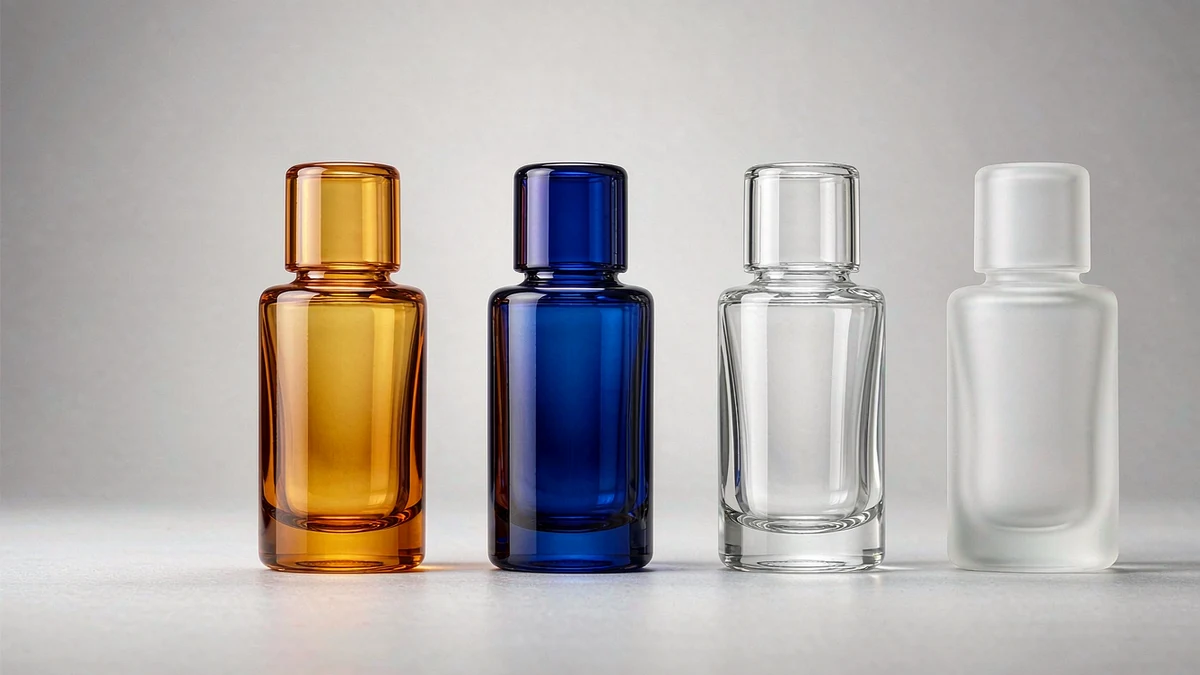
- Glass is the inert standard. It does not react with ingredients, which makes it the default choice for serums, face oils and other potent formulas. Amber and frosted glass add light protection, and the premium feel reinforces a care-focused brand image. The trade-offs are weight, fragility and higher shipping cost.
- PP (polypropylene) plastic is stable, non-reactive, and widely used in airless pump systems — a strong option for sensitive formulas that need a lightweight, hygienic dispenser. BPA-free certification is a must.
- PET plastic looks great and is clear, but it can react with certain essential oils and active ingredients. Use it only after compatibility testing with your exact formula.
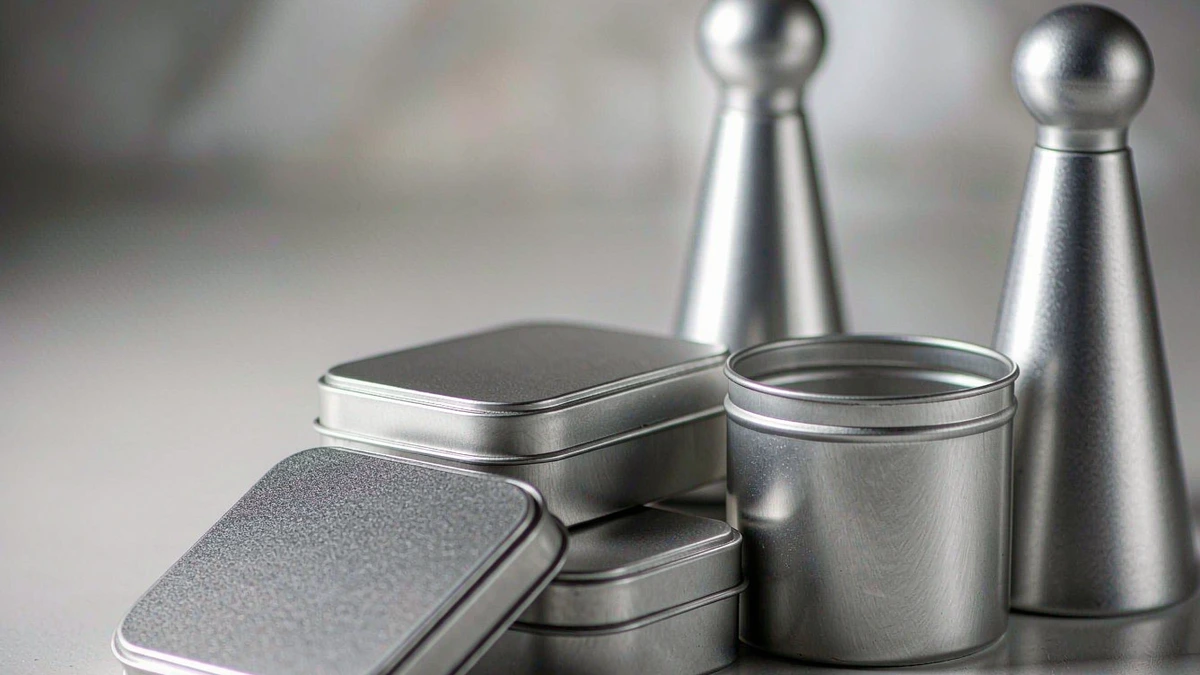
- Aluminum provides a complete barrier against light and air and is common in tubes for creams and balms. An inner lining protects the formula from metal contact.
A useful rule of thumb: glass for oil-based and high-active serums, PP airless systems for water-based creams and lotions, aluminum tubes for thicker balms, and PET only when testing proves it safe for your specific formula.
Dispensing Systems: Airless, Dropper, Jar or Ampoule
How the customer gets the product out matters as much as the container itself, because every touchpoint is a contamination risk.
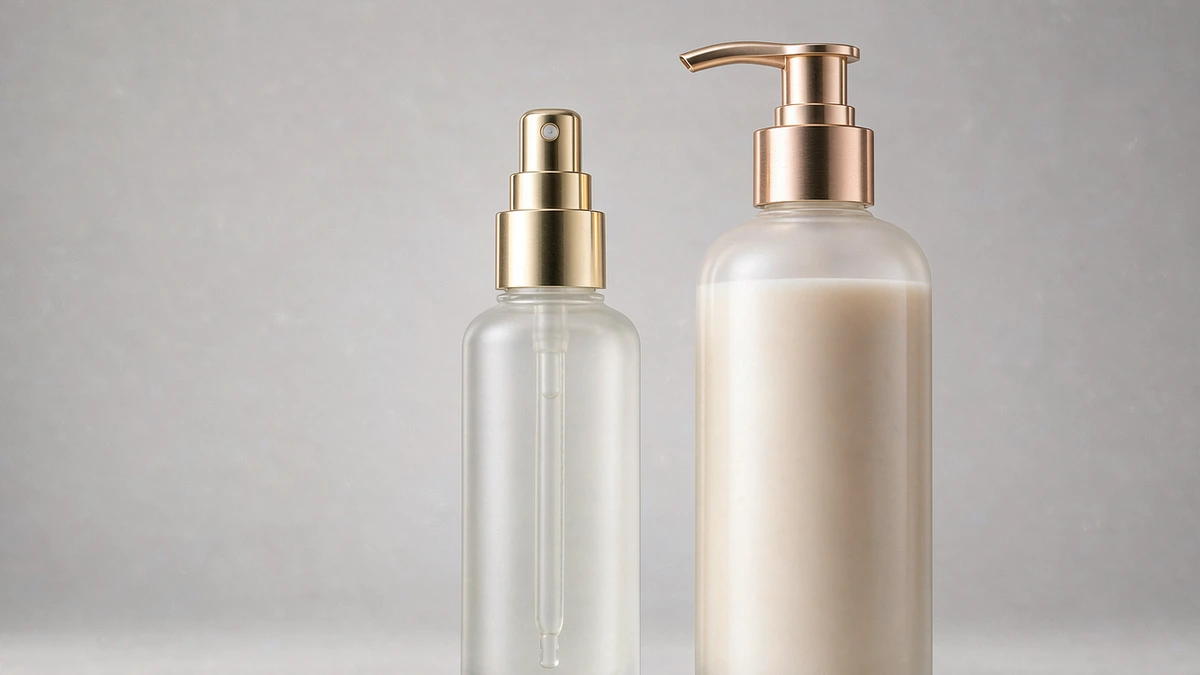
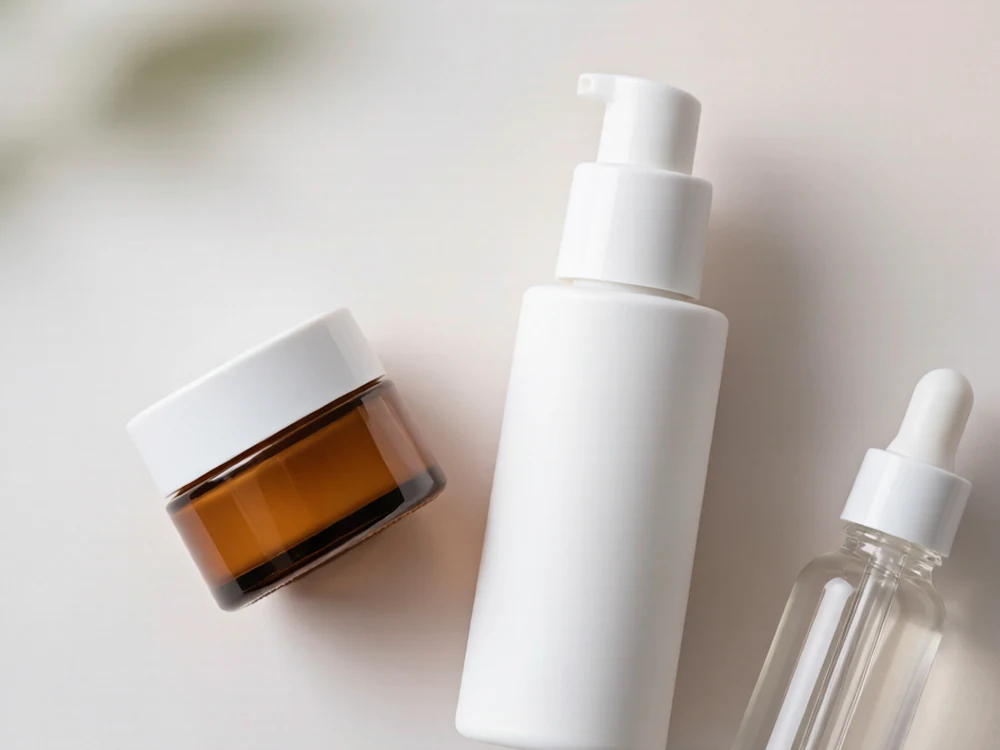
Airless pumps are the strongest choice for sensitive-skin formulas. Instead of a dip tube that pulls air back into the bottle, a piston pushes the product up, so oxygen never re-enters the package. That prevents oxidation, stops finger contact contamination, and delivers precise doses. Brands often find they can reduce preservatives when they move a formula into an airless system — a meaningful improvement for sensitive users.
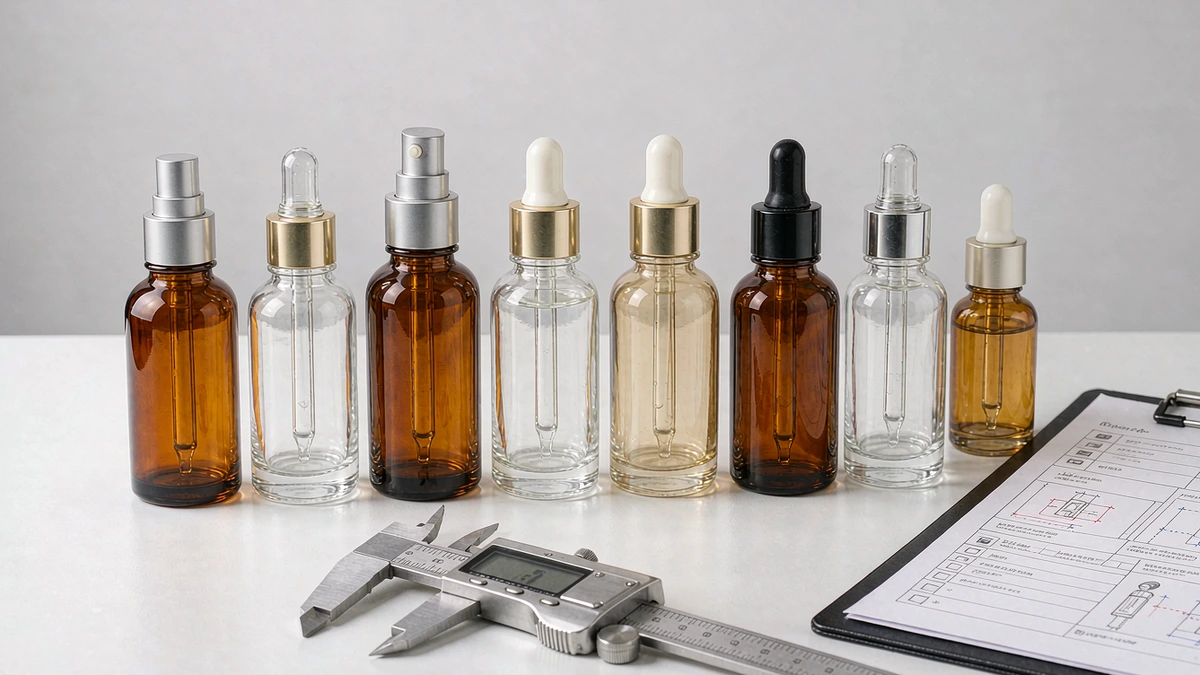
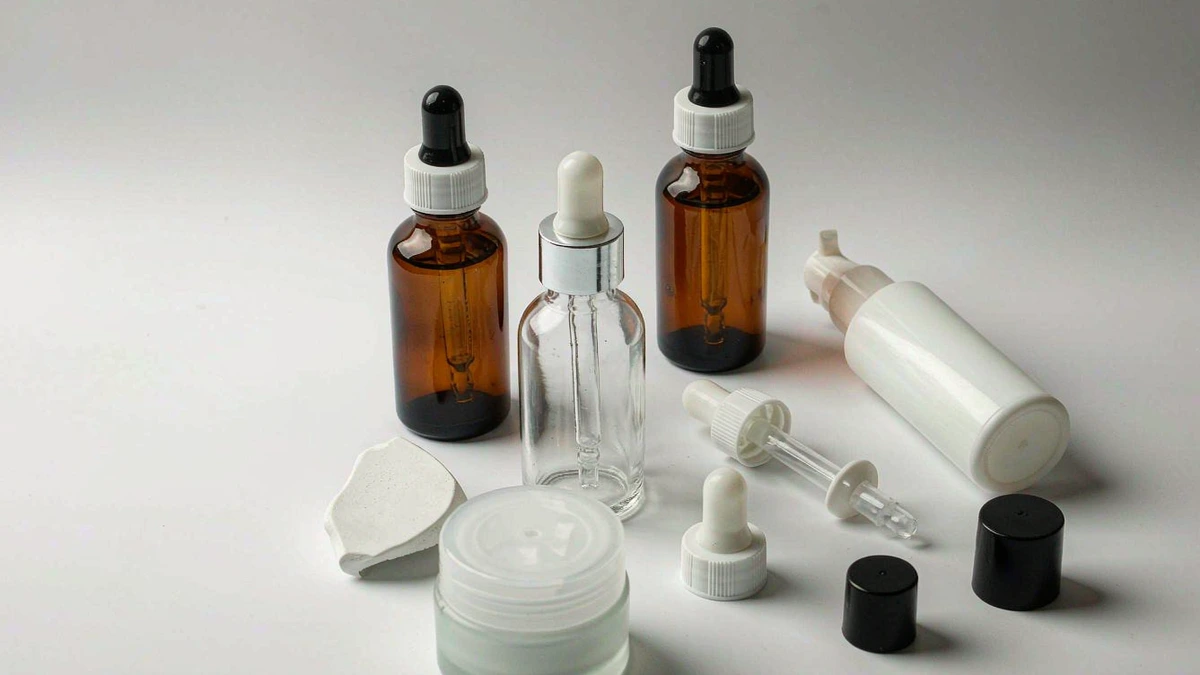
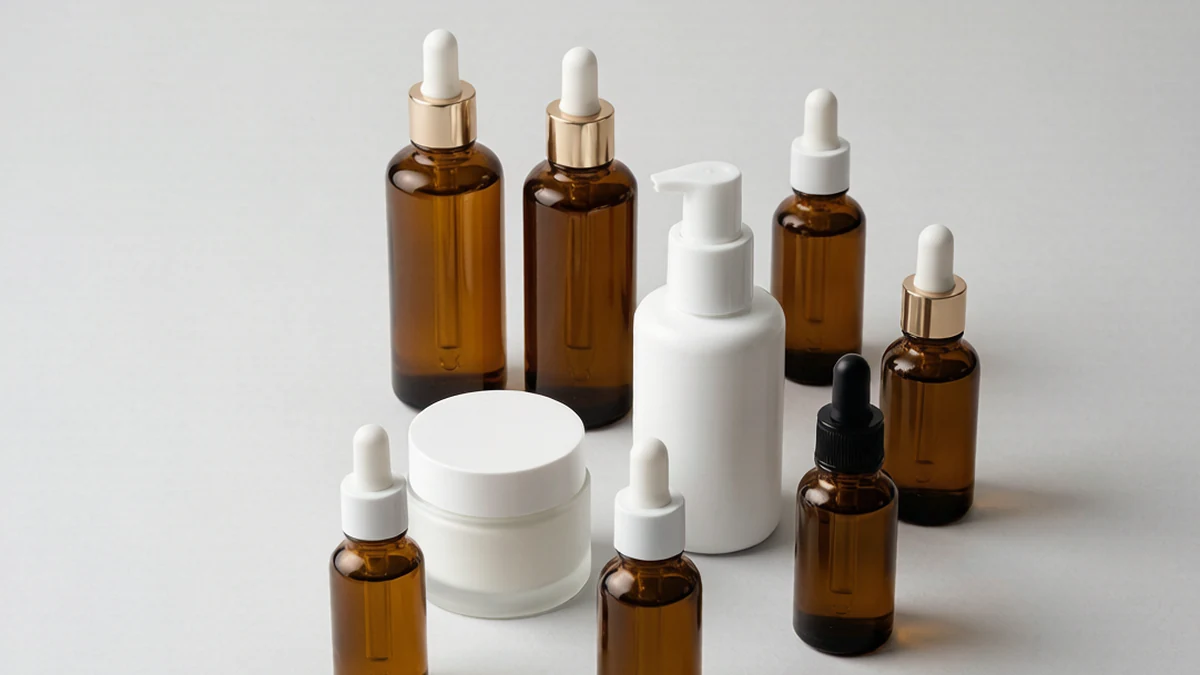
Dropper bottles suit oil-based serums and actives that need precise, controlled dosing. Choose amber glass for light-sensitive ingredients, and pair the dropper with a good-quality bulb for consistent drop size.
Jars remain popular for creams, but open jars expose the formula to air and fingers every time they are opened. For sensitive lines, use a jar with a spatula or an inner protective seal to minimize contact, and keep the product surface small.
Ampoules and single-use formats eliminate contamination entirely and are ideal for travel sizes, trials, or high-potency actives that must stay sealed until the moment of use.
Compatibility Testing Is Not Optional
A material can be perfectly safe in general and still incompatible with your specific formula. Acids can interact with certain metals, some essential oils degrade particular plastics, and some packaging absorbs preservatives out of the formula over time.
Run stability testing with the packaging and the real formula for at least three months — check for color change, odor shift, leachables, and preservative loss. Challenge testing confirms the product stays microbe-safe in its final container. For a sensitive-skin product, where consumers are already primed to notice any change, skipping this step is a quality risk you cannot afford.
Labels That Build Trust With a Cautious Audience
Sensitive-skin buyers read labels carefully, and they respond to signals of care:
- Use honest claims only — “hypoallergenic” and “dermatologist-tested” are not regulated terms, so back them with real testing and documentation.
- Highlight genuine safety features: airless dispensing, BPA-free materials, tamper-evident seals.
- Keep the design calm and minimal — soft, neutral colors and readable typography communicate gentleness better than bold graphics.
- Use the secondary packaging for education: application guidance, ingredient transparency, and storage instructions.
Procurement Checklist for Sensitive-Skin Lines
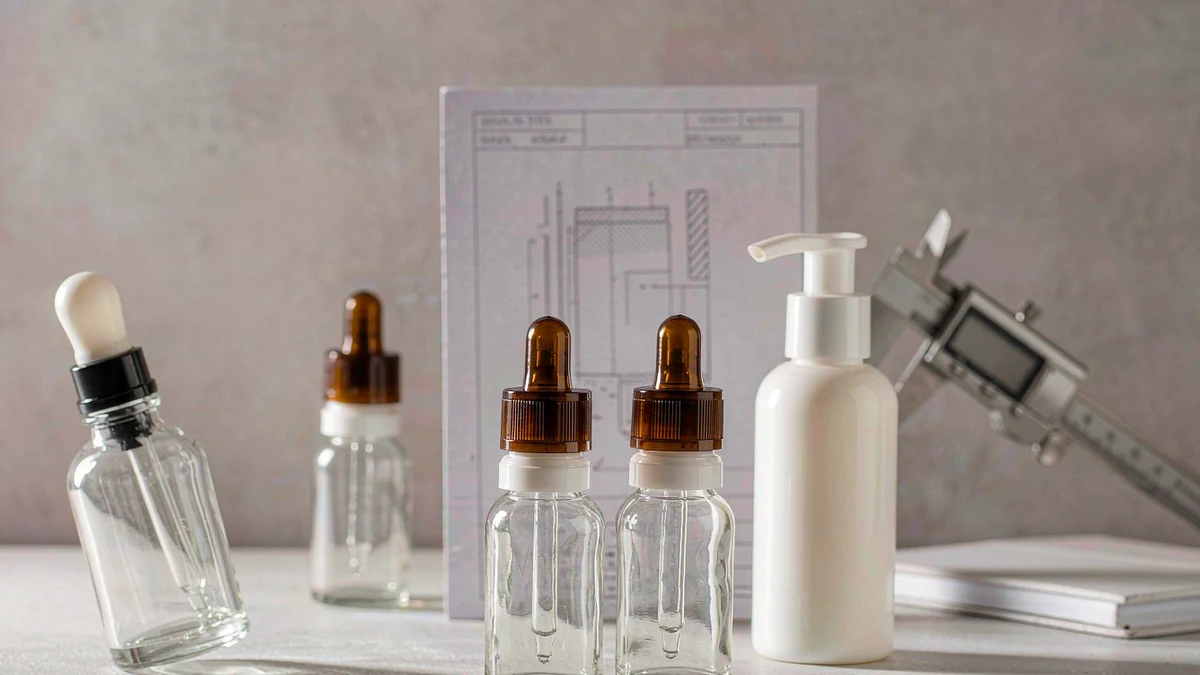
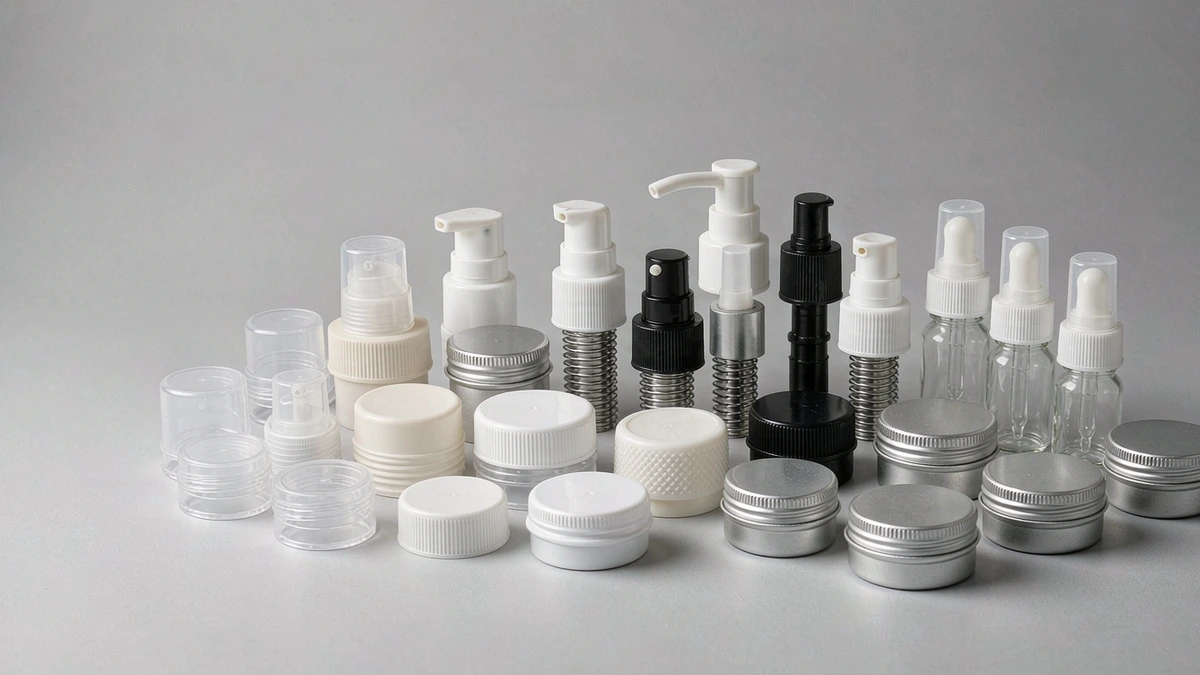
When you brief a packaging supplier for a sensitive or eczema-prone formula, cover these points. If you are still comparing container options, our ready-to-ship packaging options give you a baseline to spec against.
- Formula profile for each SKU — viscosity, oil- or water-based, pH, light sensitivity.
- Material requirement — inert glass or BPA-free PP, with certification documents.
- Dispensing system — airless pump, dropper or jar, matched to the formula type.
- Light protection — amber or opaque options where UV exposure is a concern.
- Seal and tamper-evidence requirements — induction seals, inner liners, shrink bands.
- Compatibility test protocol — agreed soak conditions, duration and pass criteria.
- Labeling and certification support — claims you intend to make and documentation to back them.
Need Packaging That Keeps Gentle Formulas Safe?
Tell us your formula type, container preference and target capacity — we’ll help you match the bottle, material and dispensing system for your sensitive-skin launch.
FAQ
Is glass always safer than plastic for sensitive-skin formulas?
Glass is more inert and does not leach compounds, which makes it the safest default for most active formulas. But high-quality BPA-free PP in an airless system is also a strong, lightweight choice — the key is compatibility testing with your actual formula, not the material name alone.
Why are airless pumps recommended for sensitive-skin products?
Airless pumps prevent air from re-entering the bottle, so the formula stays sealed between uses. This reduces oxidation and contamination, which means the product needs fewer preservatives — a real benefit for sensitive users.
Do amber bottles actually protect light-sensitive ingredients?
Yes. Amber glass filters most UV wavelengths that degrade vitamin C, retinoids and plant oils. For the most light-sensitive actives, pair amber glass with opaque secondary packaging and minimal in-store light exposure.
What packaging should I choose for an oil-based serum?
An amber glass dropper bottle is the classic choice — the glass protects against light and reaction, and the dropper gives precise, controlled dosing. Confirm the dropper bulb and cap are compatible with your specific oil blend.
How long should I test packaging with my formula?
Plan a minimum of three months of stability testing, longer for emulsions and products with a target shelf life of two years or more. Include compatibility checks for color, odor, leachables and preservative retention, plus micro challenge testing.