
How to Request & Evaluate Cosmetic Packaging Samples Before You Bulk Order

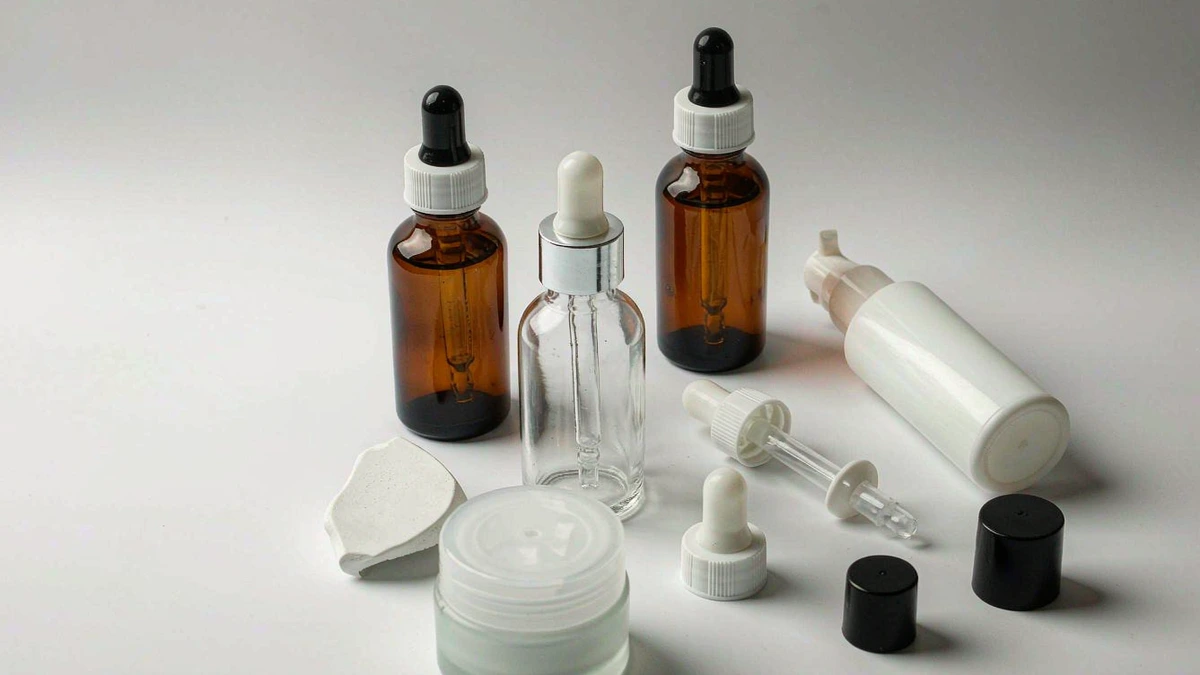
Ordering cosmetic packaging in bulk is a commitment measured in thousands of units and weeks of lead time. The cheapest insurance against a warehouse full of the wrong bottles is the sample phase: the window between writing your brief and issuing a purchase order. Yet many new brands skip or rush it, then discover leaks, neck mismatches, or formula reactions only after the goods land. This guide walks through how to request the right samples and how to evaluate them so a bulk order is a formality, not a gamble.
Key Takeaways
- Request a production-intent sample, not just a reference or appearance prototype. Undecorated parts and water-filled jars do not prove how the finished, decorated, formula-filled pack will perform.
- Write the sample request like a spec sheet: product type, viscosity, neck finish (e.g. 20/410, 24/410), capacity in ml, material, color, and decoration, so suppliers return comparable samples.
- Budget 7-14 days for modified stock tooling and 21-35 days for new tooling; plan 10-14 weeks end-to-end from inquiry to warehouse before you commit a launch date.
- Run a structured evaluation checklist on arrival: visual defects, critical neck-finish dimensions, seal and leak tests, mechanical and functional checks, and print adhesion.
- Compatibility testing with your actual formula is non-negotiable. Fill real product and observe 2-4 weeks because oils, acids, and alcohols can soften or discolor plastic.
- Ask for the paperwork: Certificate of Conformance, material and food-contact certificates, and dimensional and test reports, then lock an approved-sample baseline before bulk.
What kind of sample are you actually asking for?
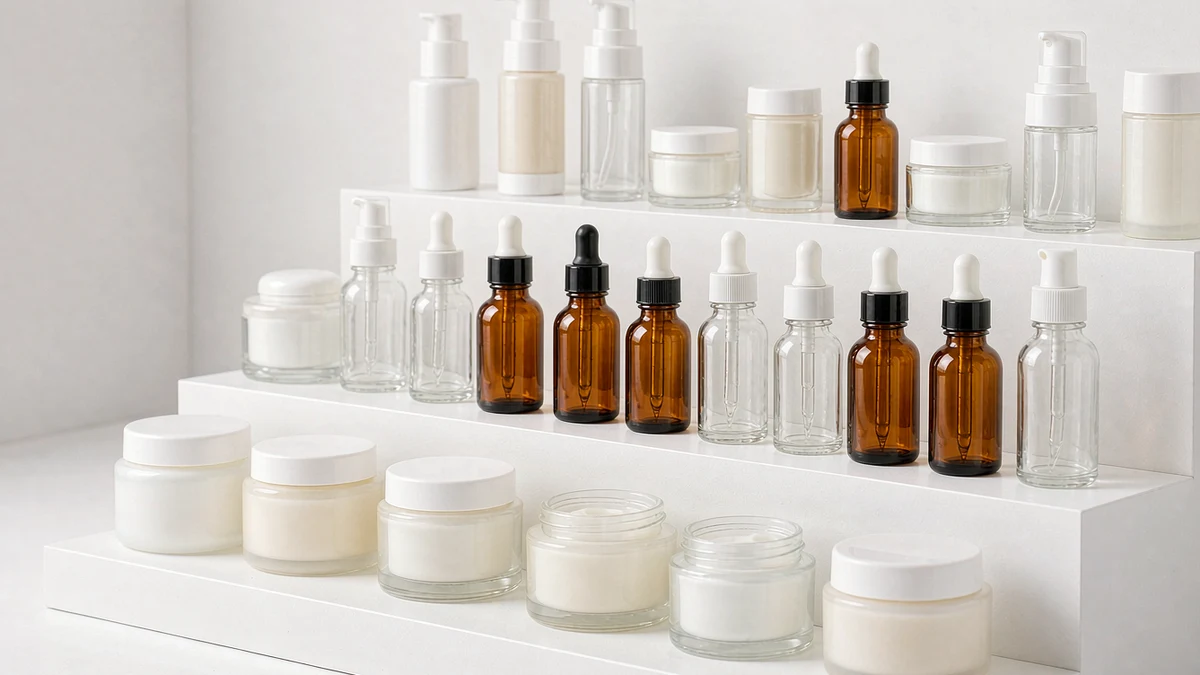
Not all “samples” are equal, and confusing them is the fastest way to validate the wrong thing. A supplier can send a reference item that looks great while the production-intent version behaves differently. Four tiers are worth naming in your request:
- Reference sample – a stock item shown for shape or style; may have nothing to do with your project.
- Appearance prototype – proves the look but is usually undecorated and untested for function.
- Engineering sample – verifies dimensions and structure against the drawing.
- Production-intent sample – closest to what bulk will actually be, including decoration and closure.
The practical rule: an undecorated component is not evidence the final decorated pack performs the same way, and a jar filled with water is not proof of compatibility with your serum. Record, for each sample, what it can and cannot validate.
Write the request like a spec, not a wish
A vague request (“send me some 30 ml bottles”) returns a mismatched box and wasted time. Treat the sample request as a compressed version of your brief. At minimum state:
- Product type and viscosity (a thin oil and a thick cream stress closures differently)
- Any chemical traits that could interact with the package (essential oils, acids, alcohol, actives)
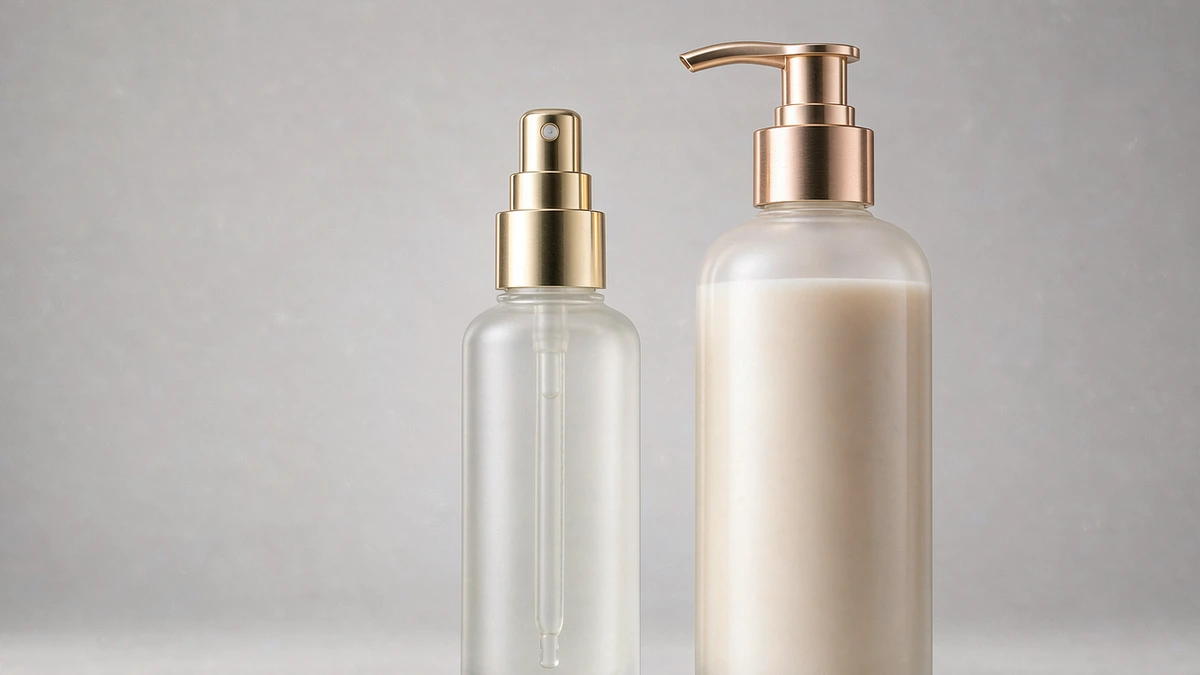
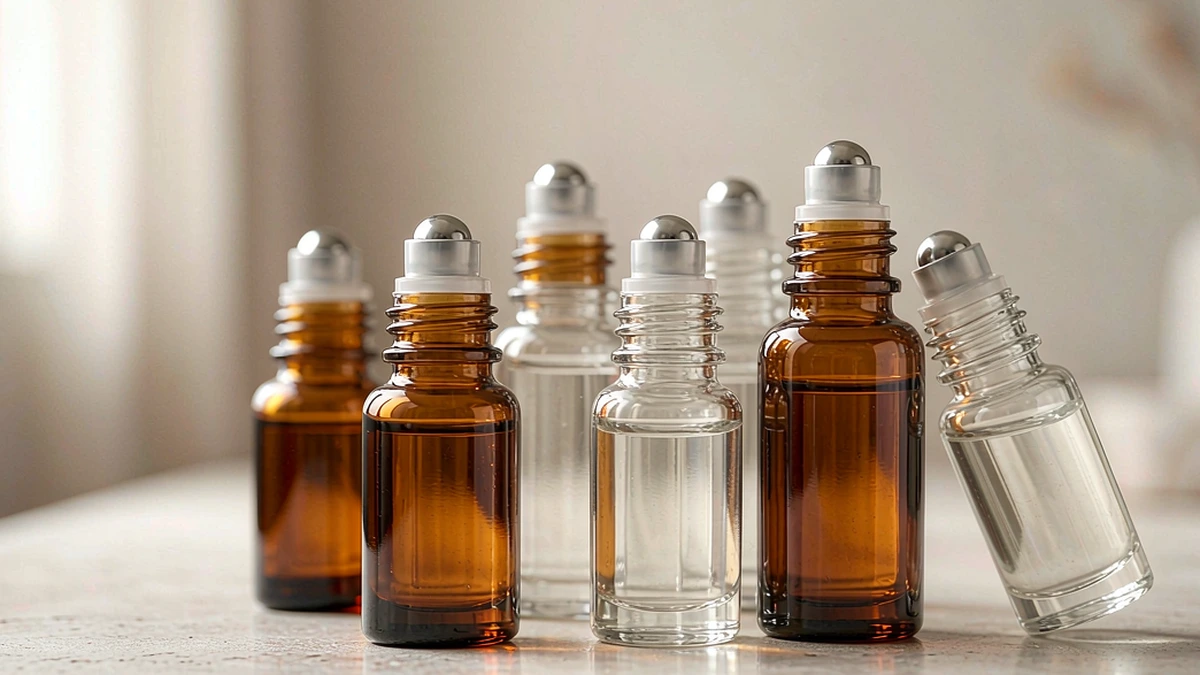
- Format – bottle, jar, tube, or pump – with capacity in ml
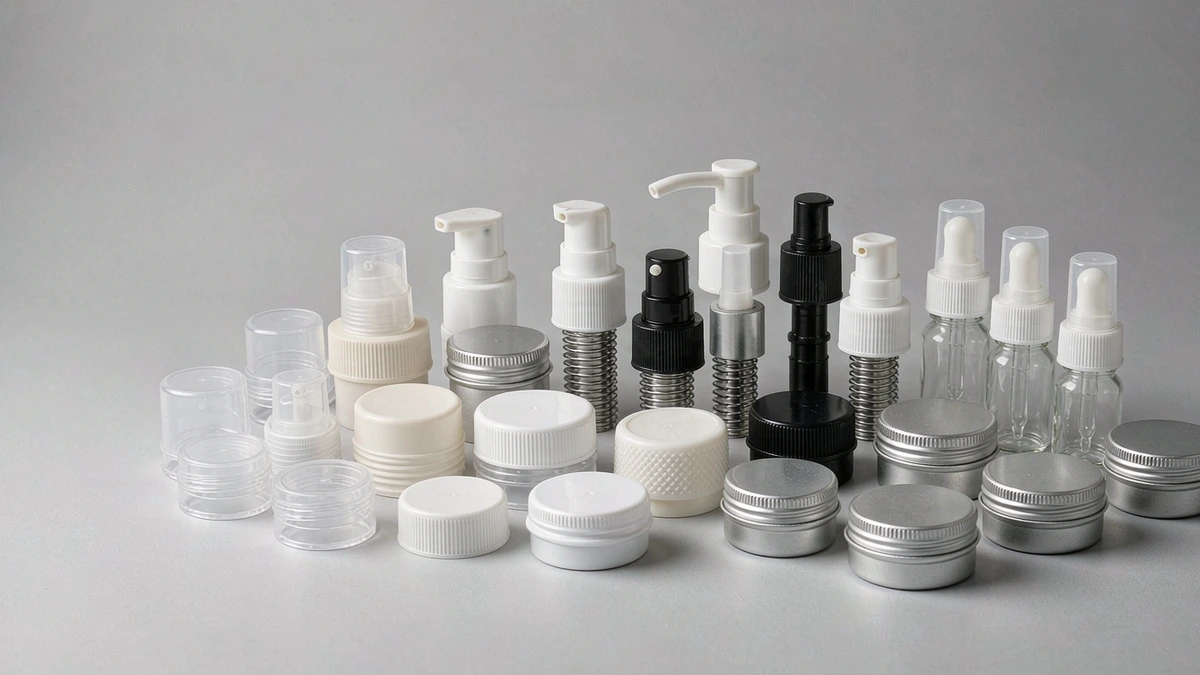
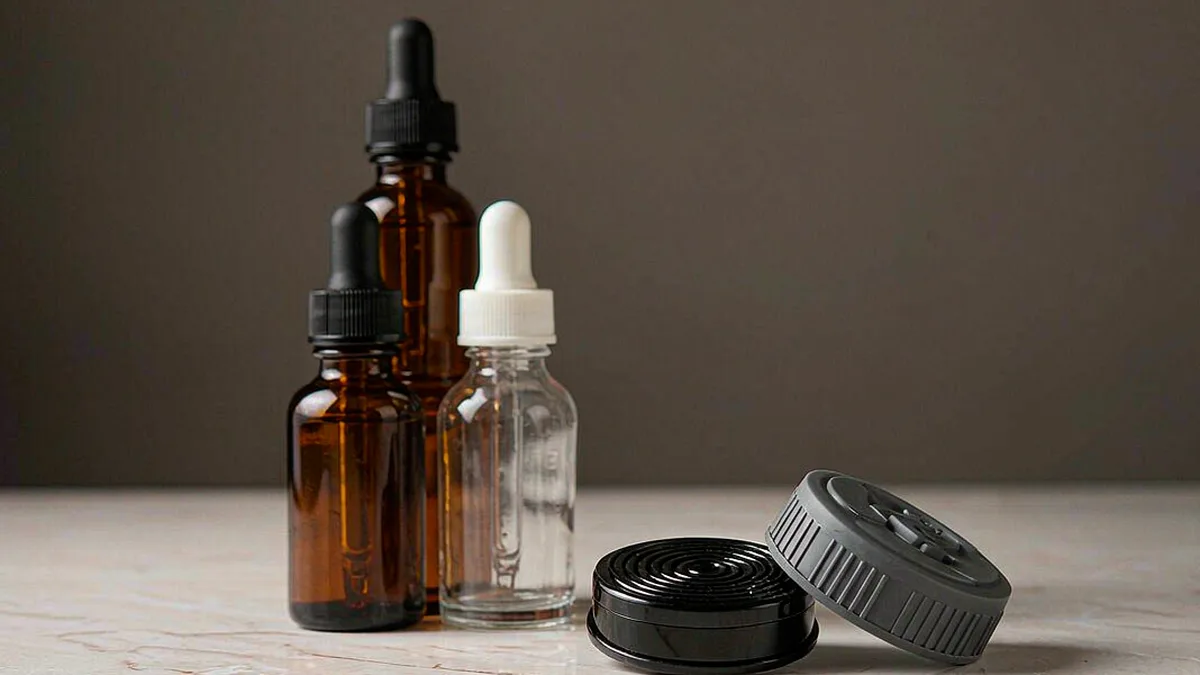
- Neck finish such as 20/410, 24/410, or 18 mm dropper, so closures are compatible
- Target material, color, surface finish, and decoration method
Ask for two or three variants side by side – different materials, colors, or closure types – so evaluation is comparative rather than binary. Up front, clarify sample fees, whether they are refundable against a future order, shipping terms, and the sample lead time. If you need a refresher on writing the upstream brief itself, see our guide on how to brief a packaging supplier.
Set realistic sample lead times
Sampling is not instant, and rushed samples often skip verification rigor. Industry ranges to set expectations with your team:
| Scenario | Typical sample lead time |
|---|---|
| Modified existing tooling (stock item tweak) | 7-14 days |
| New tooling development | 21-35 days |
| Express (25-40% premium, ~40-60% faster) | Use only for time-critical launches |
From first inquiry to goods in your warehouse by sea, a realistic total is 10-14 weeks once sampling, revision cycles, and shipping are counted. Build buffer time in; a delayed launch almost always costs more than a few extra planning weeks.
When samples arrive: verify, then document
The moment a box lands, the clock on your evaluation starts. Immediately check that the shipment matches the request – correct items, quantities, and specifications. Organize samples by supplier or material, label each with its origin and spec, and log the receipt date, any discrepancies, and first observations. A simple tracking sheet (supplier / requested date / expected delivery / tracking number) is enough to keep multiple parallel evaluations honest and creates an audit trail you will thank yourself for later.
The evaluation checklist that catches failures
This is the core of the sample phase. Walk every sample through the same categories so nothing slips through on “looks fine.”
Visual defects
Inspect for scratches, black spots, bubbles, silver streaks, flow marks, sink marks, deformation, burrs, and color inconsistency. Transparent bottles deserve stricter scrutiny because small flaws are more visible.
Dimensions – neck finish first
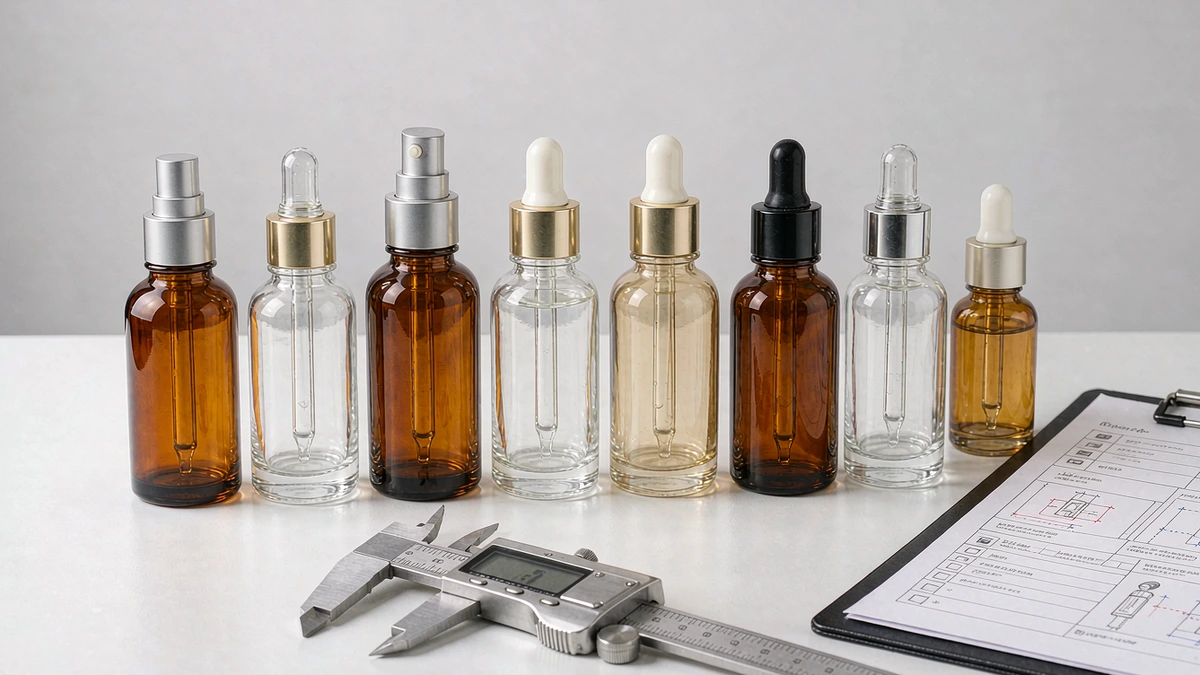
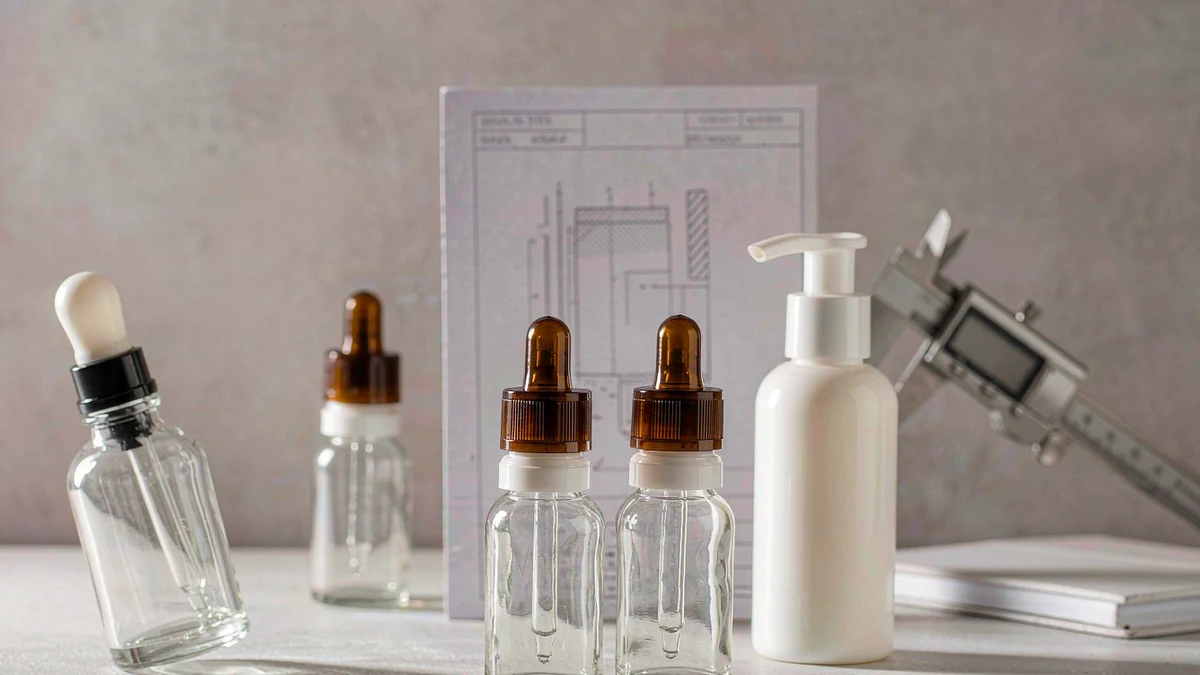
Measure against the technical drawing and tolerance. The neck finish is the most critical dimension because it governs sealing and compatibility with caps, pumps, droppers, and liners. Check neck finish, thread, inner and outer diameter, height, wall thickness, and closure fit. A bottle can look right and still fail assembly if dimensions drift. Our bottle neck sizes explainer and neck-finish matching guide cover the standards behind these checks.
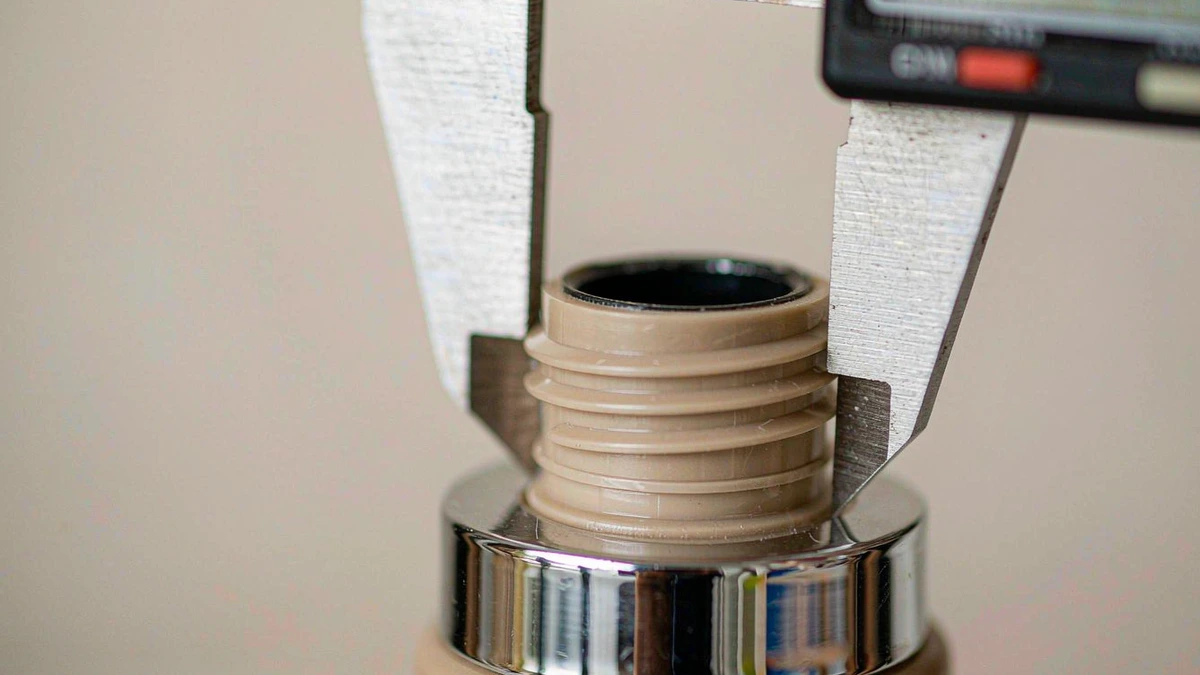
Sealing and leak
Test under positive and negative pressure, vacuum, inverted storage, and transport simulation. For oils and low-viscosity liquids, run the test with your real formula, not water.
Mechanical
Drop tests, compression, stacking, cap torque, and pump cycle checks matter most for export, e-commerce shipping, and products used in wet or hot environments.
Chemical safety and compatibility
Request documentation covering plasticizers, heavy metals, odor, and relevant market standards (REACH, RoHS, FDA-related). We cover the full protocol in our packaging compatibility testing guide.
Functional (if it dispenses)
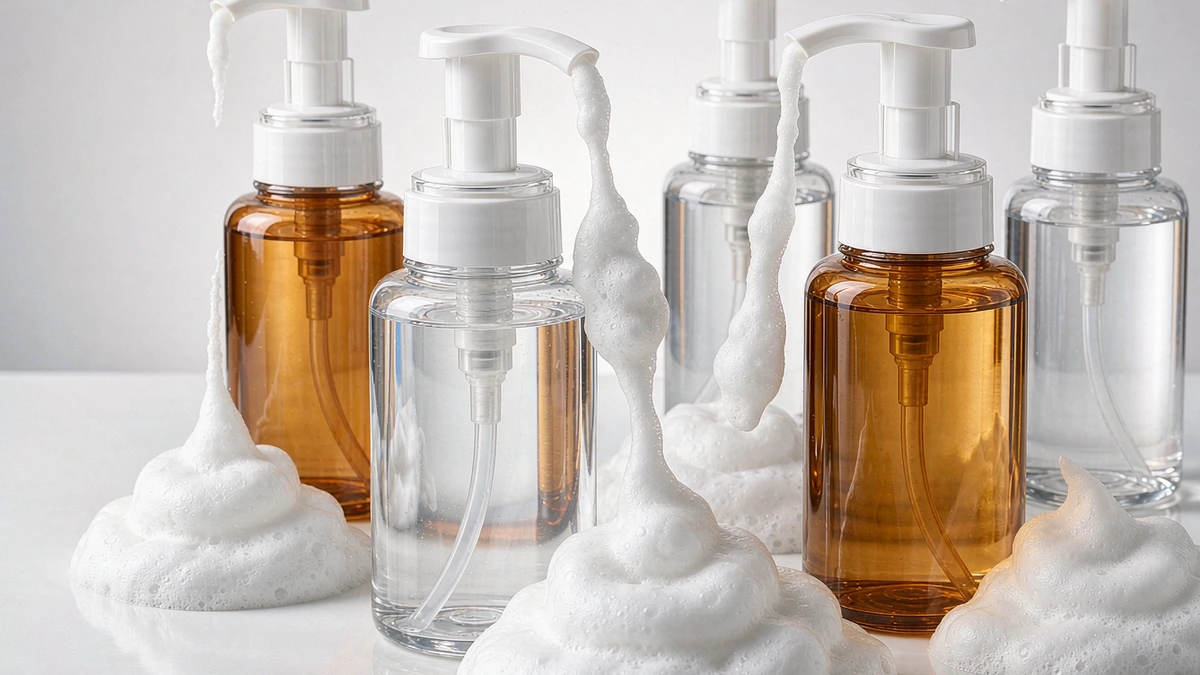
For pumps, sprayers, droppers, or flip caps, check output, spray pattern, prime time, dose consistency, actuator feel, and repeated-use performance.
Print and label
Verify registration, color accuracy, sharpness, adhesion, and rub resistance; confirm labels do not peel or bubble.
Compatibility testing is not optional
This is the single most common cause of post-launch packaging failure, and it cannot be inferred from a pretty sample. Fill the sample with your actual formulation and observe under representative conditions for 2-4 weeks. Some ingredients – essential oils, acids (AHA/BHA), alcohol, SPF and other actives, hydrophobic oils – can soften, swell, discolor, or leak through certain plastics. Pair this with a 30-day stability check plus accelerated aging and UV exposure where relevant. The cost of a few test units is trivial next to a recalled or returned batch.
Ask for the paperwork
Professional sample evaluation is documented, not based on gut feel. Request these from the supplier alongside the parts:
- Certificate of Conformance – confirms the sample was made to your spec (product, SKU, lot, date, quantity, quality sign-off).
- Material and food-contact certificates – FDA 21 CFR, EU 10/2011, or REACH, current within 12 months, naming the actual material grades.
- Dimensional inspection report – real measured data with tolerances, not just a “pass.”
- Test reports – method, conditions, results, pass/fail, and equipment calibration.
A supplier who resists sharing detailed test reports is a flag worth heeding. Also ask, in writing, which changes (material, color, additive, coating, tooling, factory, subcontractor, assembly) trigger notification and re-approval – that change-control clause is one of the most valuable items in any supplier qualification. If you are still weighing stock against custom, our guides on cosmetic packaging MOQs and private label versus custom tooling help frame the commercial trade-offs before you request samples.
From approved sample to bulk: lock the baseline
Once testing satisfies you, formalize it. Sign a sample approval that records the lot number, all test results with pass/fail, any limitations, and explicit approval to begin bulk production. Retain at least 20 units under controlled conditions as your reference standard for ongoing comparison. Define in-process checks for the bulk run – first-article inspection, periodic sampling, and statistical process control as production stabilizes. For larger orders, a third-party pre-shipment inspection (SGS, Bureau Veritas, Intertek) is a reasonable final gate.
The sample phase is where a bulk order stops being a leap of faith. Write the request like a spec, evaluate against a fixed checklist, prove compatibility with your real product, and keep the paperwork. Do that, and the production order becomes the easy part.
Need Help Sourcing & Evaluating Packaging?
Venturove supplies cosmetic packaging across glass, plastic, and metal formats and supports brands through sampling and compatibility review. Tell us your product type, capacity, and formula traits, and our team will help you shortlist and evaluate the right samples.
FAQ
How many packaging samples should I request per variant?
Plan for at least 50-100 units per specification variant so you can run destructive and functional tests while keeping stock for secondary checks. If you will run formula-compatibility testing, order extra – you cannot reuse samples already filled with test product for other evaluations.
What is the difference between a reference sample and a production-intent sample?
A reference sample is a stock item shown for style and may not match your project at all. A production-intent sample includes the decoration and closure closest to what bulk will actually ship, so it is the only tier that meaningfully validates finished performance. Always name the tier you expect in your request.
How long does it take to get cosmetic packaging samples from a manufacturer?
Modified existing tooling typically runs 7-14 days; new tooling development 21-35 days. Express options cost 25-40% more and cut lead time by roughly 40-60%, but often with less verification rigor. Budget the sample phase as part of a 10-14 week end-to-end timeline.
Why can’t I just test the sample with water instead of my formula?
Water tells you almost nothing about chemical interaction. Essential oils, acids, alcohols, and active ingredients can soften, discolor, swell, or leak through plastics that pass a water fill. Compatibility must be proven with your actual formulation over 2-4 weeks.
Which documents should a supplier provide with sample orders?
Expect a Certificate of Conformance, material and food-contact certificates (FDA / EU 10-2011 / REACH, current within 12 months), a dimensional inspection report with real measurements, and any requested test reports. Suppliers who refuse detailed reports are a risk signal.