
Bottle Neck Finish 101: Matching Caps, Pumps & Droppers (28/410, 20/400)


You can spec the perfect bottle and still lose the project at the cap. The failure usually shows up as a slow leak on the shelf, a pump that sits crooked, or a closure that strips the threads the first time a customer opens it. Almost every one of those problems traces back to a single line on the spec sheet: the neck finish. This guide shows you how to read that code, why a 24/400 and a 24/410 are not the same thing, and how to match the right finish to the cap, pump, dropper, or sprayer you actually want.
How to Read a Neck Finish Code (24/410, 20/400)
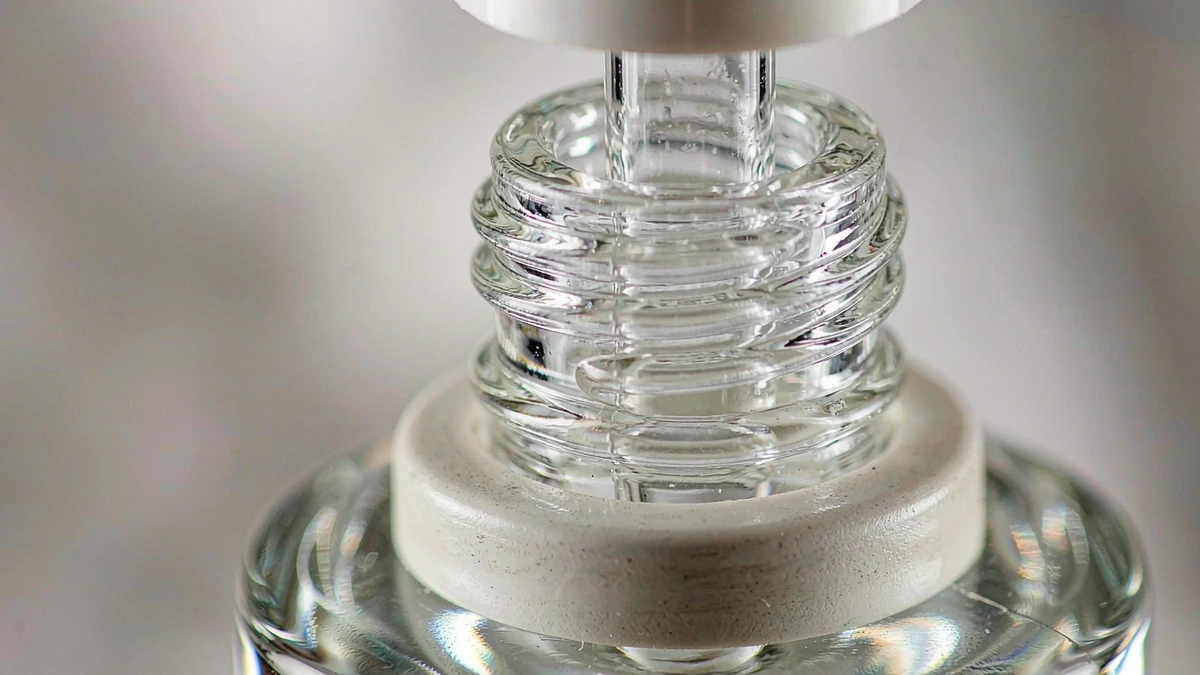
Every bottle opening carries a two-part code like 24/410 or 20/400. It is not a model number — it is a dimensional language standardized by the Glass Packaging Institute (GPI) and now shared across glass and plastic alike. Get both halves right and a cap from one supplier will seat cleanly on a bottle from another, halfway across the world.
The first number is the nominal outer diameter of the neck thread, in millimeters. A 24/410 neck measures about 24 mm across; a 28/410 measures 28 mm. That dimension sets which caps physically fit and how much product pours or pumps through the opening.
The second number is the thread style — the pitch, depth, number of turns, and where the thread starts. This is the part teams skip, and it is the part that breaks the seal. The common cosmetic styles are 400, 410, and 415, with 425 and 485 appearing on wider-mouth jars. Both numbers have to match between bottle and closure; matching only the diameter is the most expensive mistake you can make at this step.
400 vs 410: The Thread Style That Decides Everything
A 24/400 bottle and a 24/410 bottle share the same 24 mm opening. They are not interchangeable. The thread pitch is different, so a 400 cap will not engage a 410 neck, and forcing it cross-threads both parts.
- 400 (Continuous Thread, glass standard). About one turn of engagement. This is the dominant finish on glass bottles of every size and the one you will see on most amber and clear dropper bottles.
- 410 (Continuous Thread, dispensing standard). A taller neck with roughly one and a half turns. It is the workhorse for pumps, fine-mist sprayers, disc-tops, and flip-tops, because the closure’s skirt hides the threads for a cleaner look and holds torque through repeated presses.
- 415 (narrow-pitch CT). Used on small necks — 13, 15, 18 mm — where the coarser 400 geometry is too wide. You will find it on serum and essential-oil droppers.
The practical shorthand: glass screw-cap bottles tend to land on 400, and anything with a pump or sprayer tends to land on 410. If you are deciding between substrates, our glass vs plastic cosmetic packaging breakdown covers where each substrate wins on cost, weight, and perception.
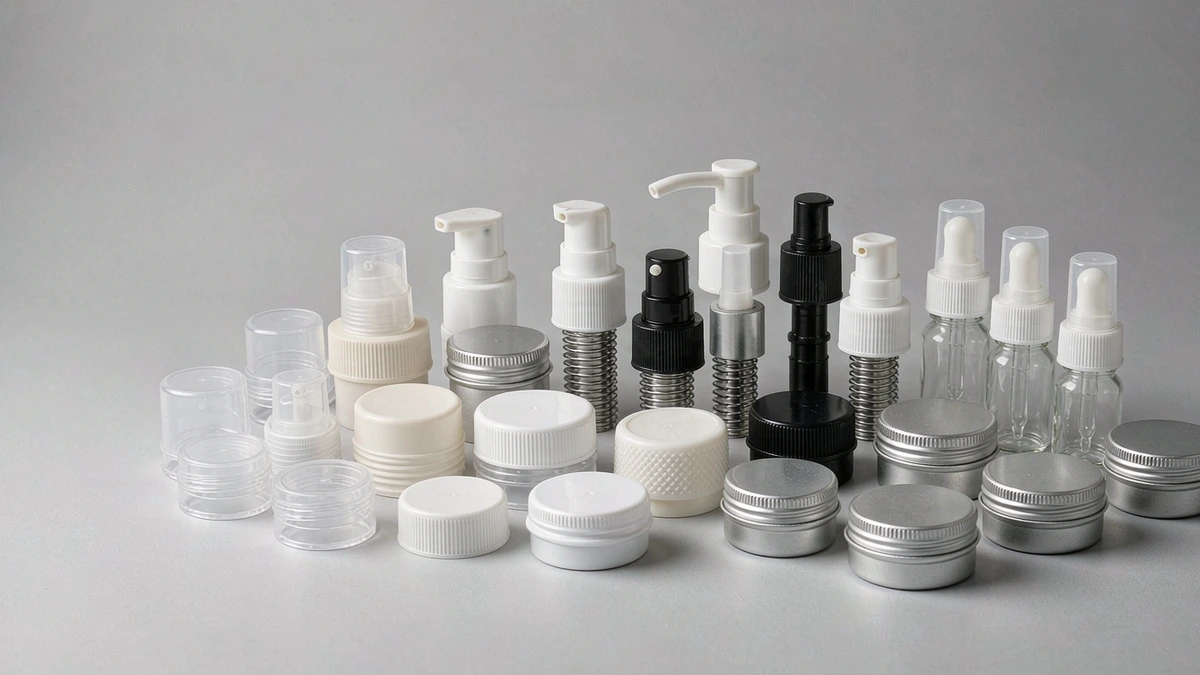
Which Finish Fits Which Closure
The finish decides which dispensing hardware can mount. Below is the mapping most cosmetic and personal-care teams actually use; exact availability varies by supplier.
| Neck finish | Typical products | Closure types |
|---|---|---|
| 18/415 | Essential oils, serums, small vials | Euro dropper, glass dropper |
| 20/400 | Small dropper bottles, travel sizes | Dropper cap |
| 20/410 | Facial serums, eye creams, treatment pumps | Treatment pump, fine-mist, dropper |
| 24/410 | Lotions, hand creams, body sprays, airless | Lotion pump, airless, disc-top, fine-mist |
| 24/415 | Airless pumps needing extra engagement | Airless pump |
| 28/400 | Larger bottles, trigger formats | Trigger sprayer |
| 28/410 | Shampoo, body wash, large lotion pumps | Lotion pump, trigger sprayer |
If you are still choosing the dispensing type itself, our dropper vs pump vs airless comparison walks through when each mechanism suits the formula.
Droppers, Pumps, and Sprayers by Finish
Each dispenser type has a finish it expects, and the difference is visible on the shelf.
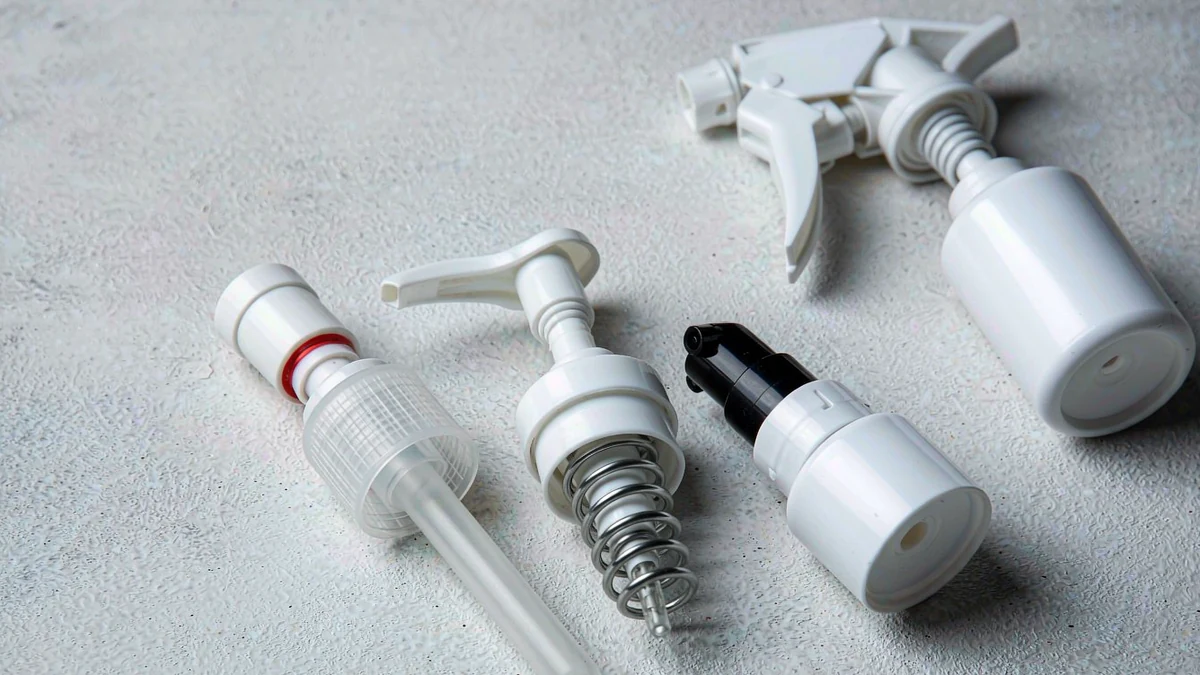
Droppers. Serum and oil droppers usually sit on 18/415 or 20/400 / 20/410. The small neck keeps the dose precise and the bottle proportional. The pipette length has to reach near the bottom without touching it — a detail that matters more than the thread code but depends on the bottle you pair it with.
Airless pumps. These cluster on 24/410 and 24/415. The extra engagement of 415 helps hold pressure for viscous creams and formulas that must not pull in air. Our airless pump guide covers when the airless route earns its cost.
Fine-mist sprayers. Toners and facial mists run on 18/410, 20/410, or 24/410. Some use metal-free pathways for reactive formulations, so the finish is only half the compatibility question — the wetted parts matter too.
Trigger sprayers. Larger formats land on 28/400 or 28/410. The wider neck carries a stronger pump engine and a bigger dose per pull.
For the full sprayer picture, including fine-mist vs trigger tradeoffs, see our cosmetic spray bottle guide.
Why a Wrong Match Costs More Than a Return
A mismatch rarely fails on the bench. It fails in the customer’s bathroom and in the shipping carton.
- Leaks. Even a 1–2 mm diameter slip or a wrong thread pitch stops the gasket from compressing against the land. Product weeps out, or air gets in and the formula oxidizes.
- Cross-threading. Forcing a 400 cap onto a 410 neck strips the threads on both parts. The bottle becomes unusable for refill and the cap is scrap.
- Dip-tube error. On pumps and sprayers the dip tube must be cut to the bottle’s inner height (roughly inner height minus a quarter inch). Too long and it buckles; too short and the last 10–15% of product sits unreachable below the tube.
- Wasted fill. A loose pump lets product pool at the bottom, so the customer pays for volume the package cannot deliver.
None of these are visible on a spec sheet. They show up after production, which is why sealing and leak testing belong in the plan from the start. Our compatibility testing guide lays out the fill, invert, and dip-tube checks to run before you commit to a run.
Glass vs Plastic and the 400 / 410 Split
The substrate nudges the finish. Glass screw-cap bottles skew toward 400 because the rigid wall suits the shorter, single-turn thread. Plastic bottles and anything dispensing skew toward 410, where the taller neck carries the closure torque. That is a tendency, not a law — you will see 400 droppers in glass and 410 pumps in plastic — but it explains why a cap that worked on your glass prototype may not seat on the production plastic bottle.
Verify Before You Order
Matching on paper is not enough. A five-minute sample check saves a container of rejects.
- Confirm both numbers. Bottle says 24/410, closure says 24/410 — not just “24 mm”.
- Hand-fit a sample. Thread it on; it should engage smoothly and seat flush against the shoulder with no gap.
- Run an invert test. Fill with water, seal, turn upside down for 60 seconds. Damp threads mean the seal is failing.
- Cut and test the dip tube. For pumps and sprayers, trim to the actual inner height of the bottle you received.
- Torque-check for transit. Over-tighten slightly, then try to open with wet hands. Too loose fails in shipping; too tight frustrates the customer.
Neck Finish in a Custom or PCR Project
Two situations change the finish conversation without changing the code. First, recycled content does not alter the thread — a 24/410 PCR bottle uses the same finish as a virgin 24/410, so closures interchange. PCR can shift wall-thickness tolerance by 1–2 mm, which changes the inner dimension and therefore the dip-tube length, so measure the actual bottle you receive rather than trusting the virgin spec. Second, a custom finish or a non-stock size pulls in tooling and a higher minimum order quantity. Lock the finish early so the MOQ and the mold line up.
If you are building the whole package from scratch, our packaging selection framework connects substrate, format, and closure into one decision. And for a wider view of neck dimensions beyond the finish code, our bottle neck size guide pairs with this one.
Matching a Neck Finish to Your Closure?
Send us your bottle finish and the dispenser you want — we’ll confirm compatibility, recommend the right cap or pump, and quote MOQ for stock or custom.
FAQ
What does 24/410 mean on a bottle?
It is the neck finish: a 24 mm outer neck diameter with a 410 continuous-thread style (taller neck, about one and a half turns). The 410 style is the standard for pumps, sprayers, and disc-tops because the closure skirt hides the threads and holds torque.
Is a 24/400 cap the same as a 24/410 cap?
No. They share the 24 mm diameter but the thread pitch differs, so they will not seat on each other’s necks. Forcing the wrong one cross-threads both the bottle and the cap. Always match both numbers, not just the diameter.
Which neck finish do dropper bottles use?
Small dropper bottles most often use 18/415 or 20/400 / 20/410. The narrow neck keeps the dose precise and the bottle in proportion; serum and essential-oil droppers lean toward 18/415.
What neck finish do airless pumps need?
Airless pumps typically sit on 24/410 or 24/415. The 415 style adds thread engagement, which helps hold pressure for thicker creams and air-sensitive formulas.
Does recycled (PCR) plastic change the neck finish?
No. A 24/410 PCR bottle keeps the same thread as a virgin 24/410, so closures stay interchangeable. PCR can shift wall thickness by 1–2 mm, which changes the inner dimension and the dip-tube length, so measure the actual bottle rather than the virgin spec.
How do I check a closure will fit before ordering?
Match both numbers on the spec, hand-fit a sample so it seats flush, run a 60-second invert leak test, and for pumps or sprayers cut the dip tube to the bottle’s inner height. That catches almost every mismatch before production.