
Serum vs Essence vs Ampoule Packaging: Choosing the Right Vessel

"Serum, essence, or ampoule?" sounds like a simple product question. For a packaging buyer it is actually three different bottles, three different price tiers, and three different stability problems. The words on the shelf are marketing language, not technical specs — no regulator draws a hard line between them — so the safe way to choose a vessel is to ignore the label and look at active concentration, volume, and what the formula needs to survive. This guide breaks down how each format behaves and which container actually fits it, so your brief to a supplier lands on the right bottle the first time.
Key Takeaways
If you only remember a few things before you spec the bottle:
- The format names are not specs: serum, essence, and ampoule sit on a loose concentration-and-volume scale, and one brand’s serum can be stronger than another’s ampoule — brief by active load and volume, not by the word on the label.
- Essence wants a big, cheap, low-stress bottle: high water content and low actives mean a 100–200 ml flip-cap or simple pump in glass or PET is usually enough.
- Serum lives in a 30–50 ml dropper or airless bottle: a real active payload needs a closure that controls dose and, for oxygen-sensitive actives, an airless pump or amber glass.
- Ampoule splits into two vessels: sealed single-dose glass vials (hermetic, preservative-light) versus a small 15–30 ml "ampoule" dropper bottle that is really a concentrated serum.
- Stability decides the closure, not the category: oxidizers and light-sensitive actives push you to airless, amber, or flame-sealed vials long before the marketing word does.
The Three Words Are Not Specs
Serum, essence, and ampoule describe concentration and intended use, not separate scientific categories. On a practical scale, essence sits at the dilute, high-volume end; serum is in the middle; ampoule is the most concentrated and smallest. A vitamin C serum might run 10–15% ascorbic acid, while a vitamin C ampoule can run 20–25%; a peptide serum at 5–10% becomes a 15–30% peptide ampoule. Because nothing legally fixes the boundary, judge a product by its ingredient percentage and usage instructions, not its name.
Application order follows texture, not the printed word: thinnest first. In a typical routine that means essence, then ampoule or booster, then serum, then moisturizer and SPF. The vessel you choose should match how the product is actually used — daily, in volume, or as a short intensive course.
Essence — The Hydration Layer
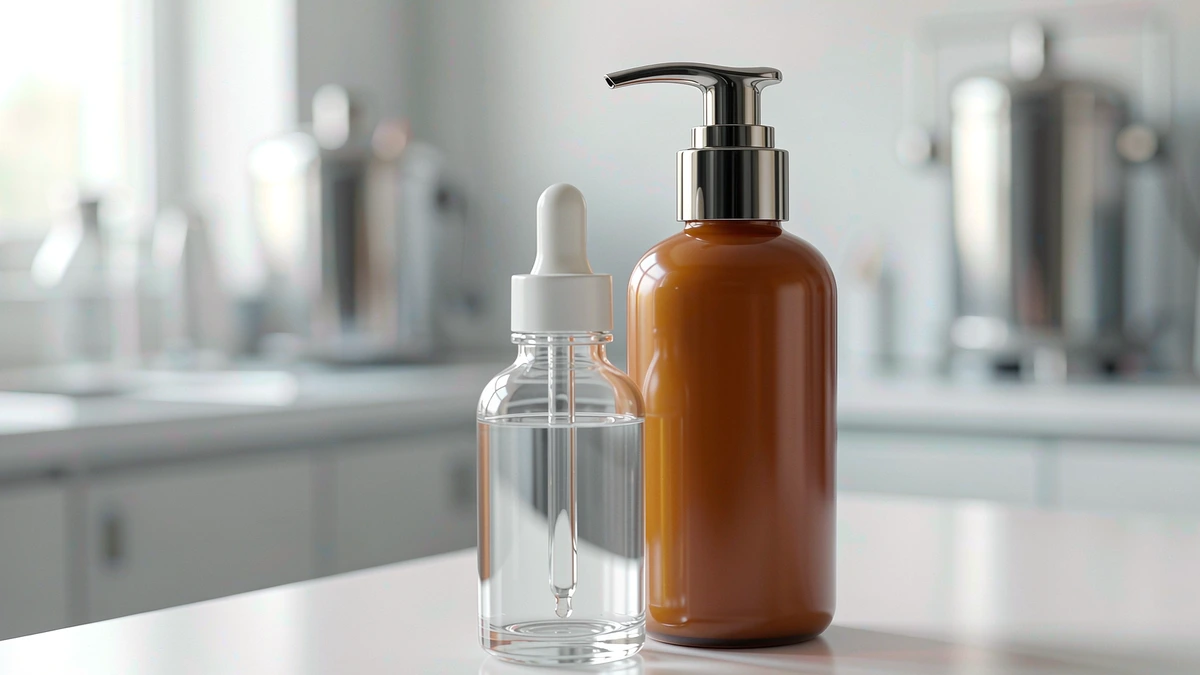
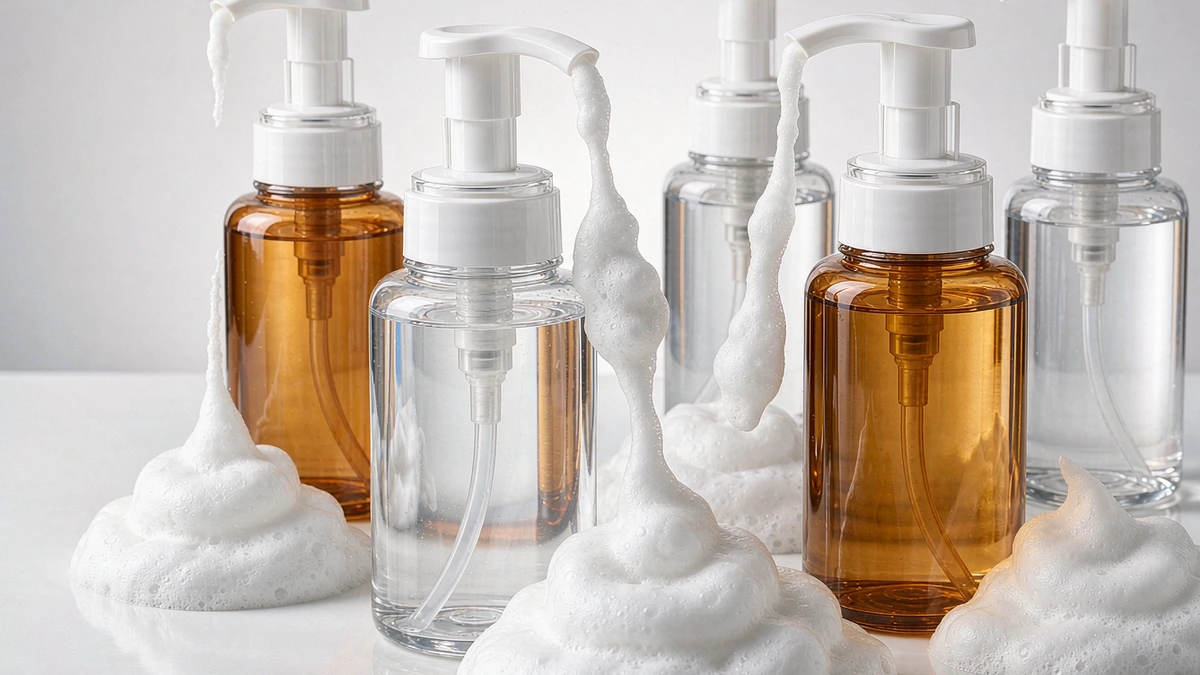
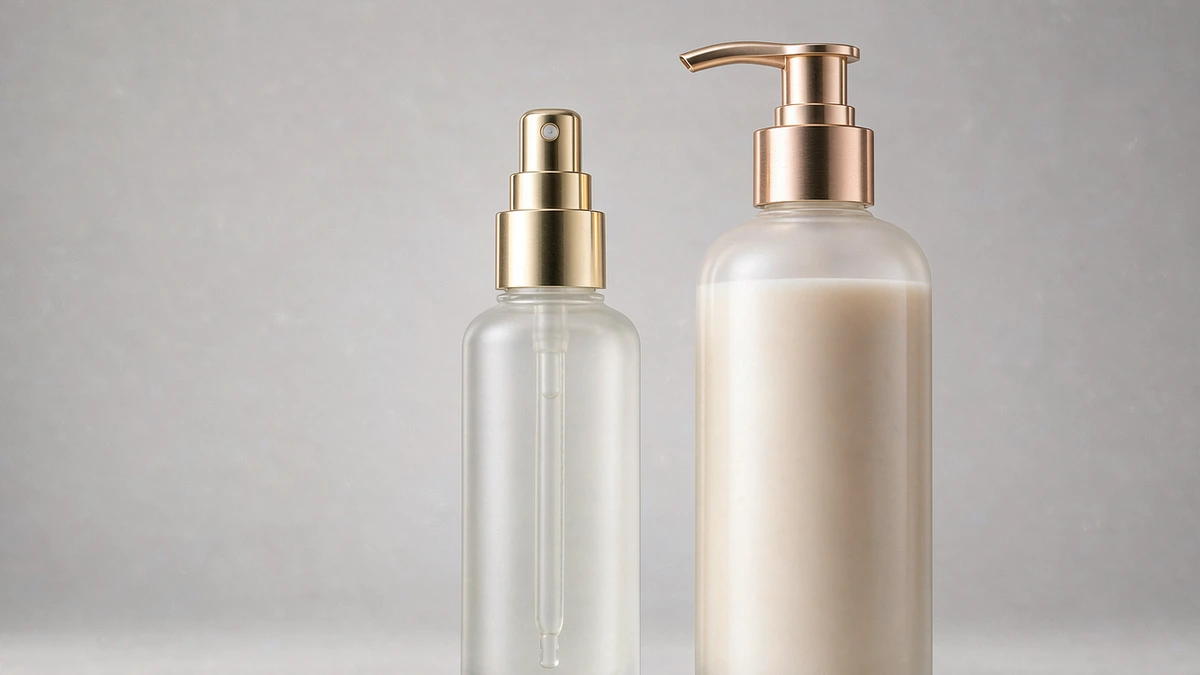
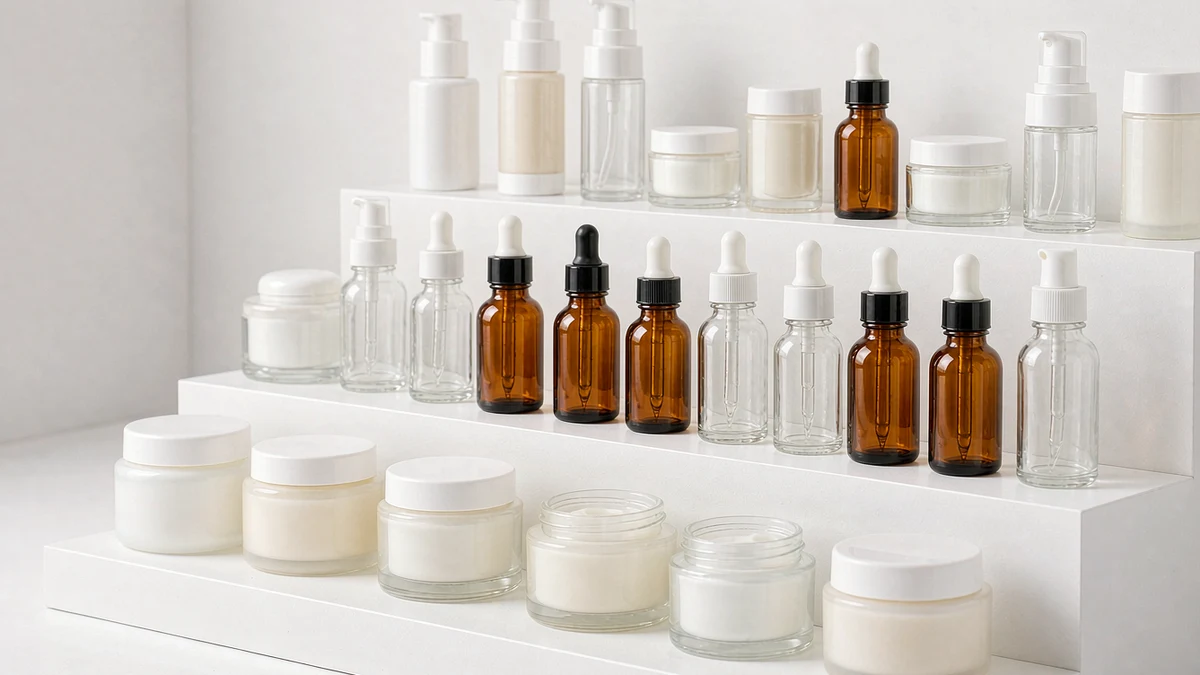
Essences are hydration-forward and low in actives, often 90–96% aqueous with humectants and a light preservative system. They are used twice daily in larger amounts, which is why the bottle is bigger — commonly 100–200 ml, sometimes sold as an "essence lotion" or "essence toner." The packaging job here is undemanding: a flip cap, disk cap, or basic lotion pump in clear glass or PET. Protection needs are low because the actives are dilute, so you are optimizing for cost per unit and shelf presence, not barrier performance.
Serum — The Daily Workhorse
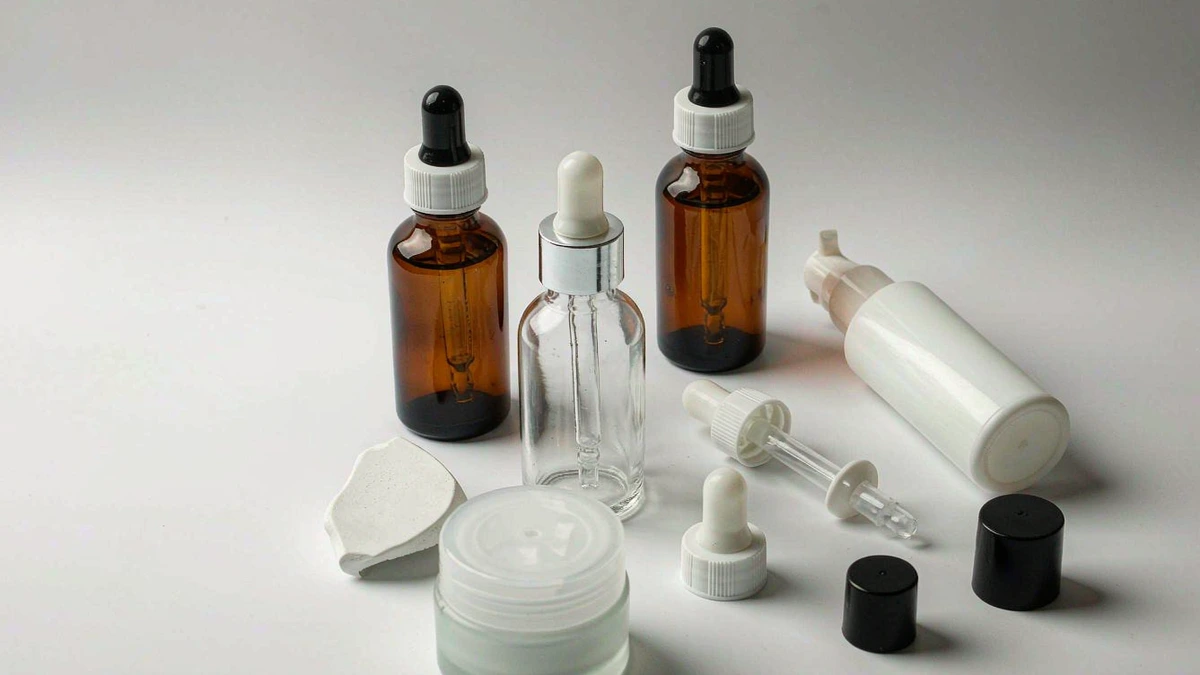
Serum is where most routines do their functional work: a medium active load, textures from watery to viscous, designed for daily targeted treatment. The standard pack is 30–50 ml, and the two closures that dominate are the dropper bottle and the airless pump.
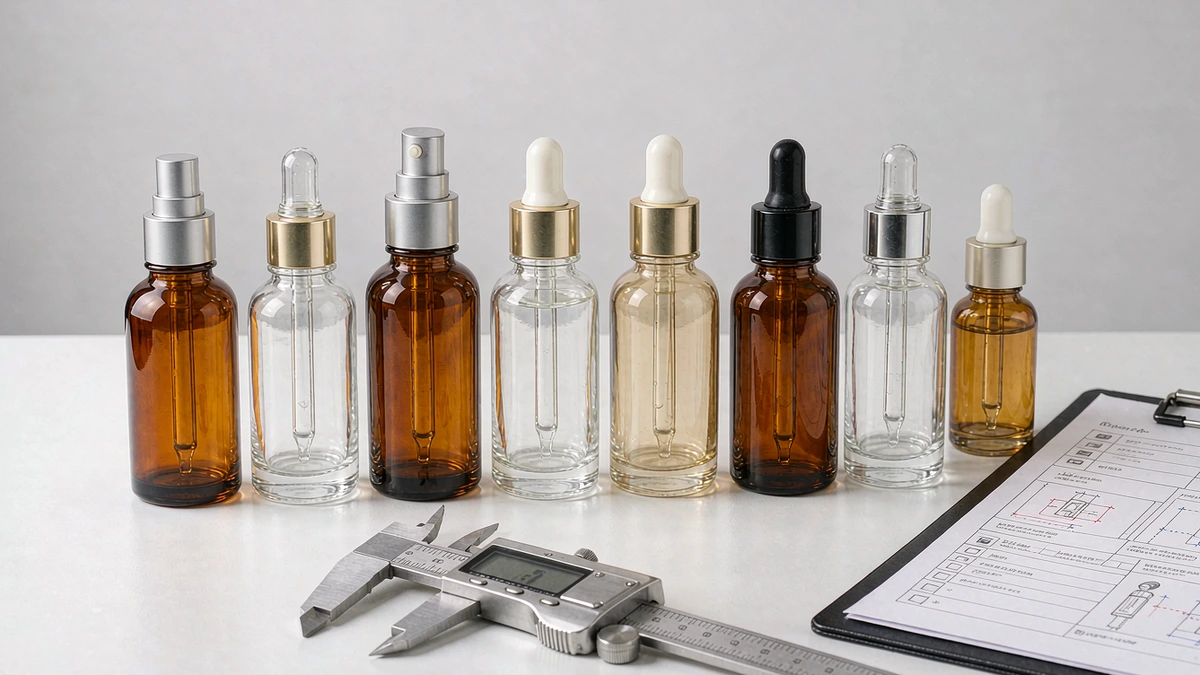
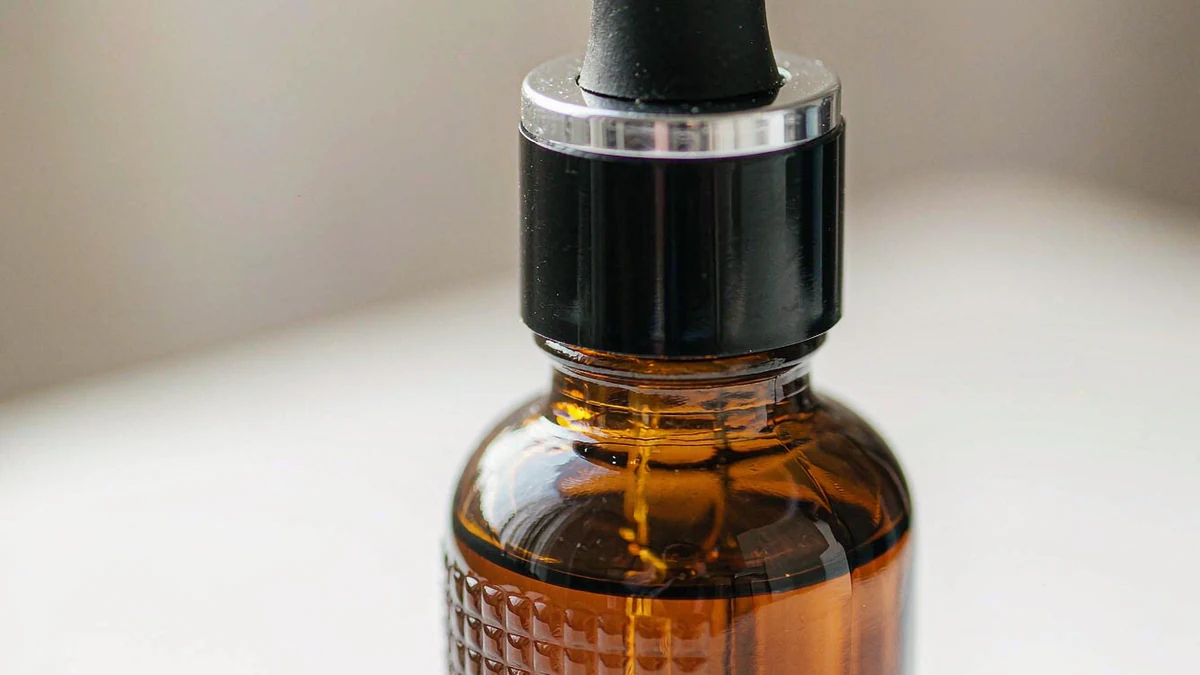
A dropper bottle gives controlled, visible dosing and works for most water- or oil-based serums; an orifice reducer sets the drop size so the experience is consistent across every unit. An airless pump earns its place when the active is oxygen-sensitive — pure vitamin C, retinol, certain peptides — because it minimizes air return on each press and extends stability. Amber or frosted glass handles light-sensitive formulas. The serum vessel is a real stability decision, not a cosmetic afterthought.
Ampoule — High Dose, Small Pack
Ampoules carry the highest active concentration and the smallest volume, which is why they are framed as intensive courses rather than daily staples. The packaging here splits into two very different vessels.
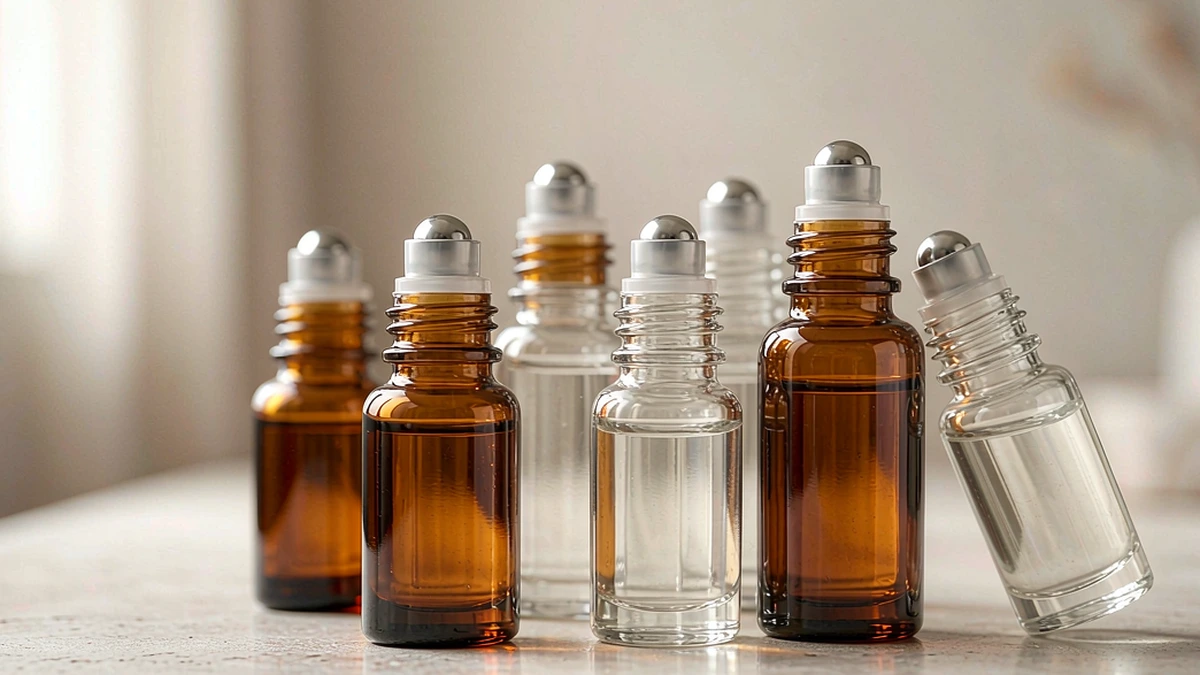
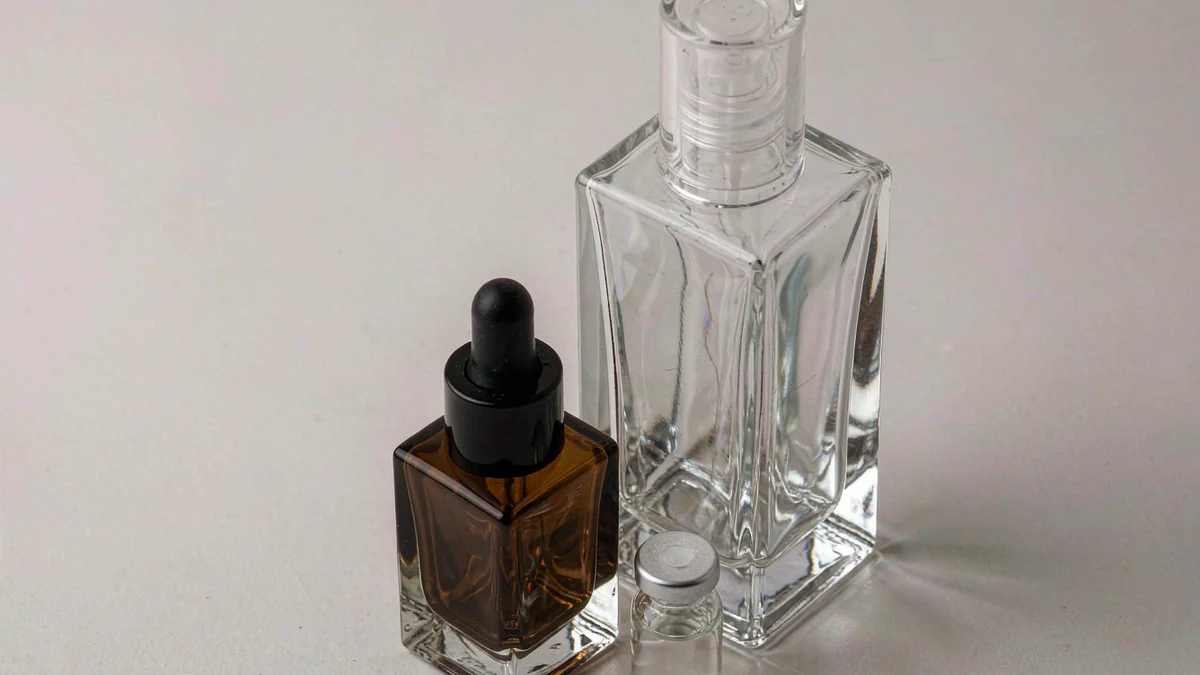
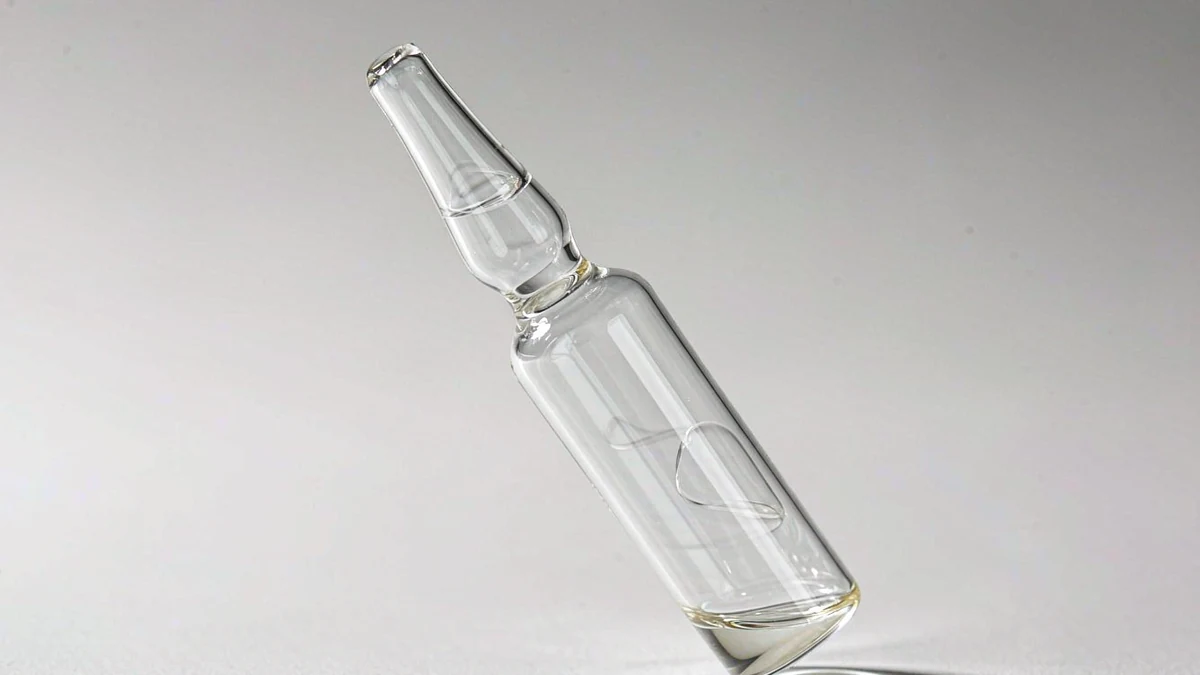
The first is the sealed single-dose glass vial: 1–10 ml, hermetically flame-sealed (often with an OPC one-point-cut break point), giving a 100% oxygen barrier and a sterile environment until the moment it is snapped open. Made from Type I borosilicate or neutral soda-lime glass, clear or amber, these vials follow ISO 9187-1 forms and need no preservative system because nothing gets back in after filling. The trade-off is a specialized fill-finish line — nitrogen purge, precision fill, flame seal — and usually a higher MOQ.
The second is the multi-dose "ampoule" dropper bottle: 15–30 ml, marketed as an ampoule but really a concentrated serum in a small dropper or airless bottle. It reads as clinical and potent without the filling complexity of a sealed vial. When a supplier quotes you "an ampoule," confirm which of these two you are actually getting — the cost and lead-time gap is large.
How to Pick the Vessel
Once the format is clear, the vessel choice comes down to a short list of decision drivers:
- Active stability first. Oxygen-sensitive actives (vitamin C, retinol) push toward airless pumps or sealed ampoule vials. Light-sensitive actives push toward amber or frosted glass. The closure is a stability control, not decoration.
- Concentration versus volume. Higher concentration justifies a smaller pack. Ampoules earn their small size through dose potency; essences need room because use is generous and frequent.
- Preservative strategy. A hermetic single-dose vial lets you cut synthetic preservatives; any capped bottle needs a preservative system sized to its pH and water activity. The format changes your formula freedom.
- User ritual and brand story. The snap-open vial signals clinical luxury; a dropper bottle signals daily utility. This is a brand line item, not just a container cost.
- Channel and MOQ math. Essence (large, simple closure) is cheapest per unit. Sealed ampoule vials add fill-finish steps and typically a higher minimum order. Brief the economics, not just the look.
Common Briefing Mistakes
The most expensive error is briefing by label. Asking a manufacturer for "a serum" with no active load, volume, or closure specified returns a quote that misses either value or price point — the supplier defaults to the lightest base, and you are unhappy with the perceived quality, or they quote an ampoule-grade system and you cannot hit retail. Specify active concentration, target volume, and closure type, and the quote becomes comparable.
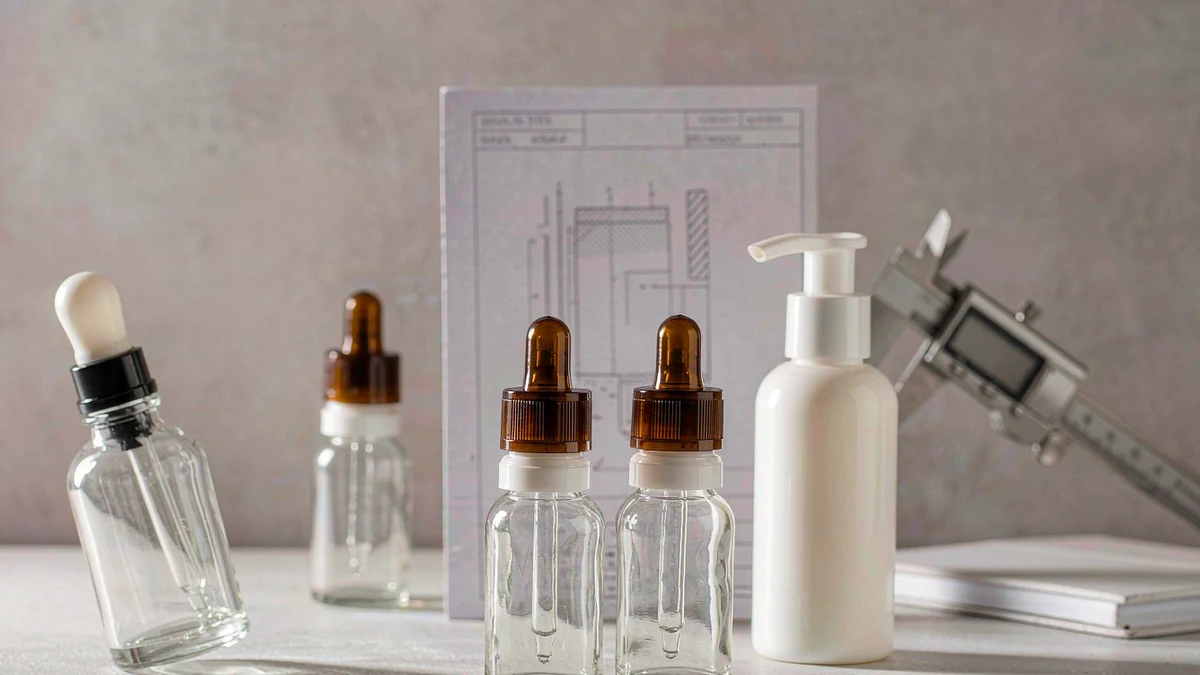
The second mistake is mismatching the closure to the formula: a dropper bulb liner that swells against an essential-oil or solvent serum, an orifice reducer that delivers the wrong drop size, or a capped bottle used for an oxidizer that needed airless. Closure and formula are validated together, not separately. The third is forgetting the small-format recyclability gap — vials under about 5 cm in two dimensions fall through standard sorting screens, so plan a take-back program or grouped secondary packaging if sustainability claims matter to your brand.
Which Format Fits Your Launch
If you are building a daily treatment hero, a 30–50 ml dropper or airless serum bottle is the safe, familiar anchor. If your story is a high-dose brightening or post-procedure boost, a sealed single-dose ampoule vial delivers the clinical ritual and the stability that unstable actives need. If you are entering at a lower price with a hydration step, an essence in a large simple bottle keeps unit cost down. Many brands now run essence plus serum plus ampoule as a tiered routine, which means three vessels with three different supply chains — worth modeling before you commit.
Choosing the vessel is really choosing how the formula stays potent, how the customer doses it, and what the pack costs to make and ship. Get those three right and the label takes care of itself. Our guides to choosing serum packaging, dropper versus pump versus airless, and amber versus clear glass cover the decisions that feed directly into the format you pick, and airless pumps explain when an oxidizer demands one.
Not Sure Which Vessel Your Formula Needs?
Tell us your active, concentration, and target volume. We help skincare, K-beauty, and indie brands match the right glass or airless vessel — dropper bottle, serum pump, or sealed ampoule vial — and we will flag the stability, closure, and MOQ questions before you commit to tooling.
FAQ
What is the difference between a serum, an essence, and an ampoule?
They describe concentration and use, not fixed categories. Essence is the most dilute and largest (often 100–200 ml, used daily for hydration); serum is mid-concentration in a 30–50 ml dropper or pump bottle (the daily workhorse); ampoule is the most concentrated and smallest, often a sealed 1–10 ml single-dose vial or a 15–30 ml concentrated dropper bottle used as an intensive course. No regulation sets the boundary, so judge by ingredient percentage and instructions.
Should an ampoule always be a sealed glass vial?
No. "Ampoule" covers two vessels: a hermetic single-dose glass vial (flame-sealed, OPC break point, preservative-light, higher fill-finish cost) and a small multi-dose dropper or airless bottle that is essentially a concentrated serum. Confirm which one a supplier means when they quote an ampoule — the cost and lead-time difference is significant.
Which bottle should a vitamin C serum use?
Vitamin C oxidizes easily, so stability drives the choice: an airless pump minimizes air return on each press, and amber or frosted glass blocks UV. A clear dropper bottle can work for short-shelf-life or stabilized forms, but for pure L-ascorbic acid an airless or amber vessel is the safer spec. The closure is a stability control, not just a look.
Do sealed ampoule vials need preservatives?
Generally no, or far less. Because the vial is hermetically sealed after filling and opened only once, the sterile single-dose environment protects the formula, letting brands reduce synthetic preservatives. A capped multi-dose bottle still needs a preservative system sized to its pH and water activity.
Are small ampoule vials recyclable?
The glass or plastic is theoretically recyclable, but vials under roughly 5 cm in two dimensions fall through standard material-recovery sorting screens and are often lost. To make a sustainability claim credible, plan a take-back program or group the vials in mono-material secondary packaging so they sort as one unit.