
Silicone vs Rubber Dropper Bulbs: How to Choose the Right Material

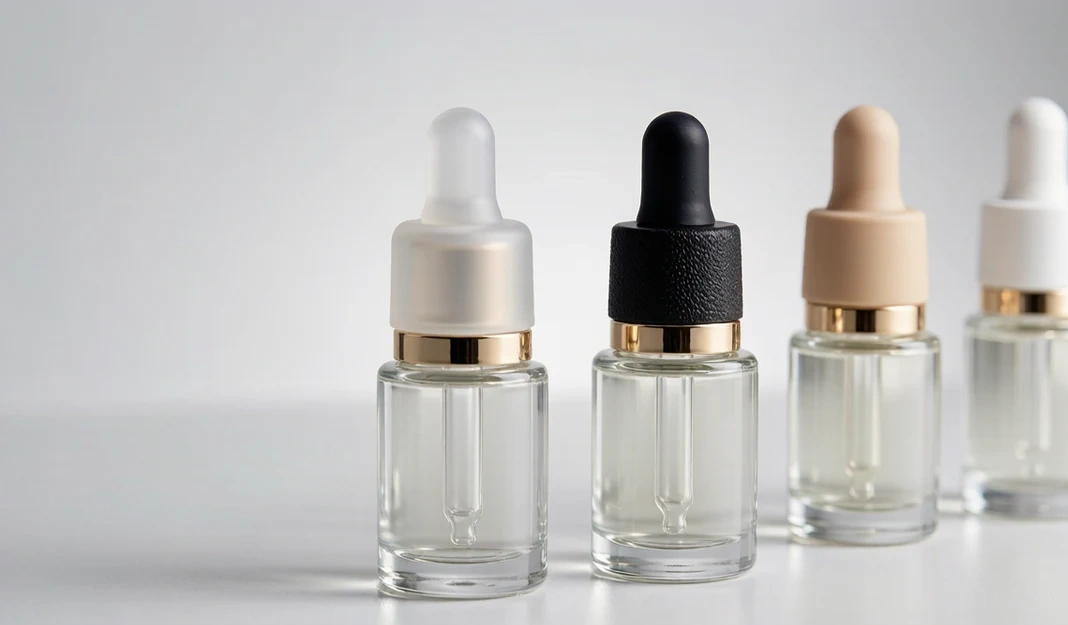
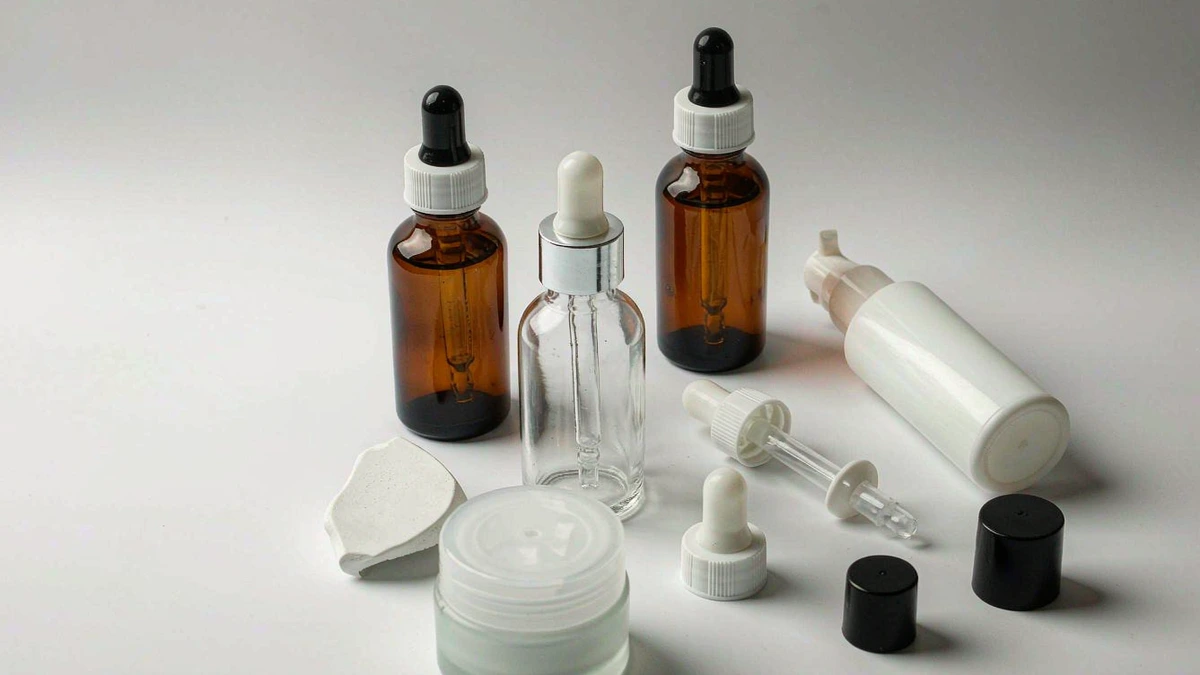
The squeeze bulb on a glass dropper bottle looks like a minor part. It is not. The bulb is the only component that stays in continuous contact with your formula’s vapor, and sometimes with the liquid itself, every time a customer opens the bottle. Pick the wrong material and the result is not a cosmetic flaw; it is a contaminated product, a leaking closure, or a return that costs more than the bulb ever saved.
For brands sourcing dropper bottles at volume, the real question is not “which bulb is cheapest” but “which bulb survives my actual formula.” This guide compares the four materials that matter in cosmetic and pharmaceutical droppers: silicone, natural rubber, nitrile (NBR), and TPE, and shows how to choose without guessing.
Dropper Bulb Materials at a Glance
| Material | Chemical resistance | Cost | Feel | Allergen risk | Typical lifespan |
|---|---|---|---|---|---|
| Silicone (platinum-cured) | Very high; stable with oils, alcohol, heat | High | Soft, premium | None | Long; stays flexible |
| Natural rubber (latex) | Poor with oils/UV; degrades fast | Lowest | Springy | Latex allergen | ~2 years, then sheds |
| NBR (nitrile) | Excellent with oils; limited with polar solvents | Medium | Firm | None | Good for oil-based |
| TPE | Very high; resists oil/alcohol/acid/base | Medium–high | Dry, rubber-like | None | Stable after sterilization |
The table is a starting point, not a verdict. A bulb must be judged against the specific formula it will touch.
Silicone: The Premium Default
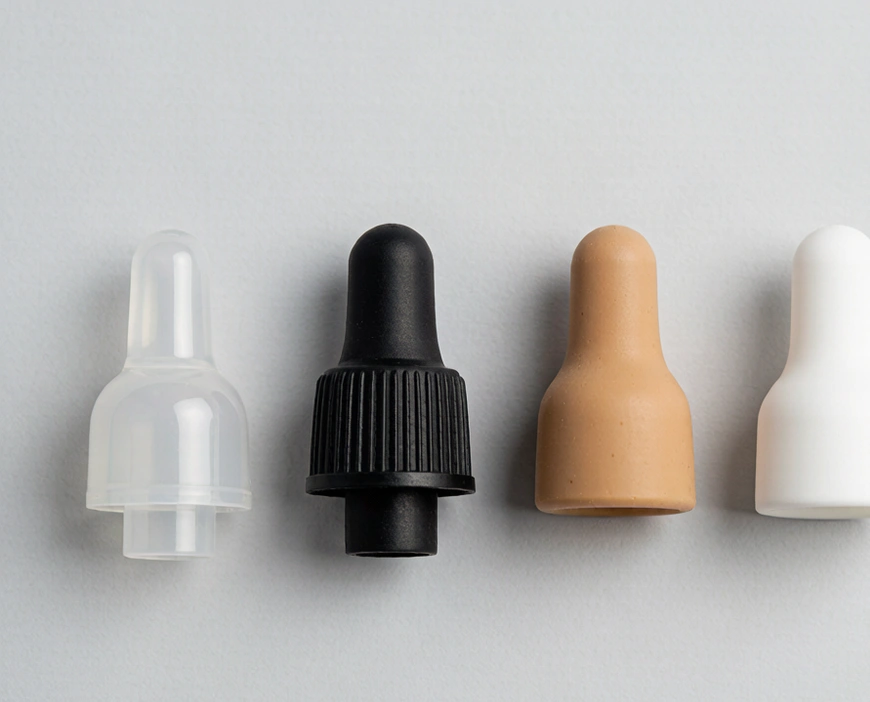
Silicone, most often platinum-cured, is widely treated as the safe choice for high-end skincare, serums, and pharmaceutical liquids. It is inert, low-allergen, and resists a broad range of chemicals and temperatures. For essential oils and fragrant blends, platinum-cured silicone is the material most suppliers will flag as the only safe option for long-term contact.
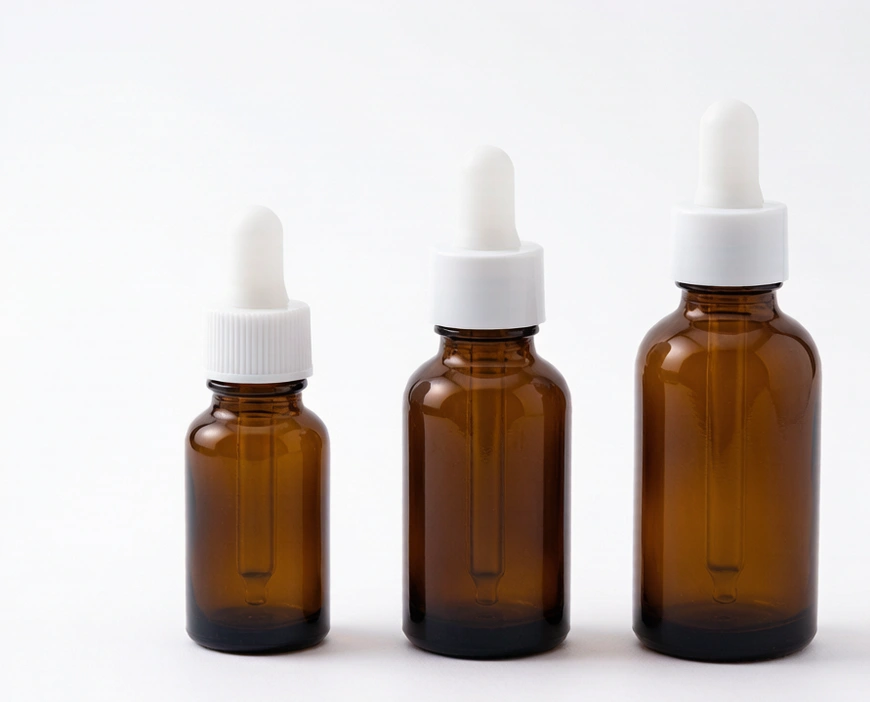
Silicone has two costs. It runs about four times the price of a natural rubber bulb, and it breathes more than rubber does. For very volatile liquids stored long term, that permeability can allow slow product loss. In practice this is a minor concern for most serums and oils, but it is worth noting for alcohol-heavy or highly volatile formulas.
If your brand sells facial serums, face oils, or anything retailing above a modest price point, silicone is the bulb you specify first. The incremental cost per unit is small against the cost of a single contamination return.
Rubber: Natural and Nitrile
Rubber is not one material. The two that appear in droppers are natural latex and nitrile (NBR), and they behave very differently.
Natural rubber is the legacy option and still holds a large share of the bulk dropper market because it is cheap and springs back well. Its weakness is chemistry: it swells, hardens, or turns sticky when exposed to essential oils and UV, and it carries a latex allergen risk. For water-based tinctures in bulk bottles it remains a reasonable economy choice, but it should not be trusted with oils.
Nitrile is a different story. Engineered for oil resistance, NBR is the industry standard for essential-oil and aromatherapy droppers. It resists swelling with vegetable and essential oils far better than natural rubber. Its limits are polar solvents such as ketones and strong acids, plus poor tolerance for ozone and UV disinfection. Where the bulb does not sit in direct liquid contact, NBR can perform reliably for around six months.
The practical rule: if a buyer wants economy and the formula is oil-rich, NBR earns its place. If the formula is water-light and price-driven, natural rubber may still work, but only with testing.
TPE: The Modern Alternative
Thermoplastic elastomer sits between rubber and plastic. It is fully latex-free and recyclable, and it often shows equal or better resistance to oils, alcohol, acids, and bases than silicone. TPE also keeps its elasticity after gamma, ethylene-oxide, or autoclave sterilization, which matters for pharmaceutical and nutraceutical products.
Its catch is consistency. Resistance varies by grade, so TPE has to be matched to the formula instead of assumed safe. Some buyers also find the dry, rubber-like feel less “traditional” than silicone. For regulated or sustainability-focused brands, TPE is frequently the strongest all-rounder.
Choose by Formula, Not by Habit
A useful way to decide:
- Water-based or low-alcohol → silicone or TPE both work; TPE wins on chemical resistance.
- Oils, esters, essential oils → silicone (long-term) or NBR (cost-sensitive, bulb not in liquid).
- Active ingredients, preservative systems → TPE or silicone.
- Pharma / nutraceutical → TPE for sterilization stability and certifications.
- Sustainability priority → TPE (recyclable) or emerging compostable dropper materials.
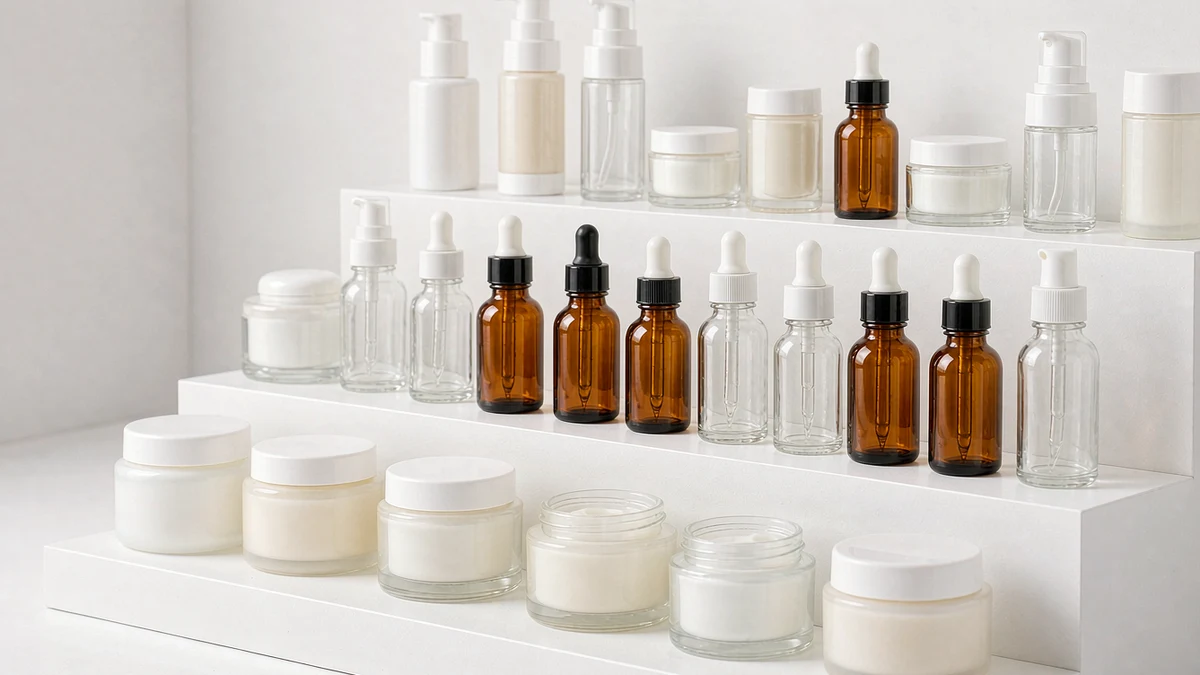
This mirrors how the rest of the package should be selected. A dropper bottle is a system: bottle, collar, pipette, bulb, and liner all have to agree with the formula. The same logic applies when comparing dropper, pump, and airless formats or when sizing a dropper bottle for a serum.
Why Compatibility Testing Is Non-Negotiable
No material table replaces a real test. The industry-standard check is a swelling test: immerse the bulb in the actual product at elevated temperature for around 72 hours, then measure change in size or weight. A bulb that passes on paper can still soften, crack, or shed particles in your specific blend.
This is the same discipline behind cosmetic packaging compatibility testing for bottles and pumps. The bulb is smaller, but the failure modes (lost suction, contamination, leakage) are just as damaging to a brand. For essential oils, pairing the right bulb with amber glass for UV protection and a compatible bottle such as amber square essential-oil bottles closes two failure paths at once.
Decision Checklist
Before committing to a bulk order:
- What is the dominant phase of the formula (aqueous, oily, or alcohol-based)?
- Will the bulb contact liquid directly, or only vapor?
- What is the target shelf life and storage condition (light, heat, ozone)?
- Does the market require specific compliance evidence (food-contact, REACH, ISO 10993)?
- Has the chosen bulb been tested in the actual formula, not just a similar one?
For most premium skincare and essential-oil products, the recommendation is straightforward: specify platinum-cured silicone, document the compliance framework you need, and validate with a swelling test on the real formula. Brands optimizing cost on oil-based lines can move to NBR, and regulated or sustainability-driven lines should evaluate TPE.
A bulb is a few cents of a product’s total cost and the entire difference between a clean dose and a returned bottle. Choose it like the formula depends on it, because it does.
Specifying Dropper Bulbs for Your Formula?
Tell us your formula type, target market, and order volume. Venturove can help you match silicone, nitrile, or TPE bulbs and run compatibility checks before bulk production.
FAQ
Is silicone or rubber better for essential-oil droppers?
Silicone (platinum-cured) is the safe long-term choice. Natural rubber degrades within 3–6 months in essential oils; nitrile (NBR) works for up to about six months if the bulb does not sit in liquid.
Does silicone cost more than rubber?
Yes, roughly four times a natural rubber bulb, but it prevents contamination returns that cost far more per incident.
What is TPE and when should I use it?
TPE is a latex-free, recyclable elastomer with very high chemical resistance. It suits pharmaceutical, nutraceutical, and sustainability-focused lines, especially where sterilization stability matters.
Do I need to test the bulb with my actual formula?
Yes. The standard swelling test immerses the bulb in the real product at elevated temperature for about 72 hours, then measures size or weight change. Spec tables never replace it.
Can natural rubber be used for water-based products?
It can be an economical choice for water-based tinctures in bulk bottles, provided the formula and storage are validated by testing.