
Airless Pump Bottles: When (and Why) Your Skincare Line Needs Them

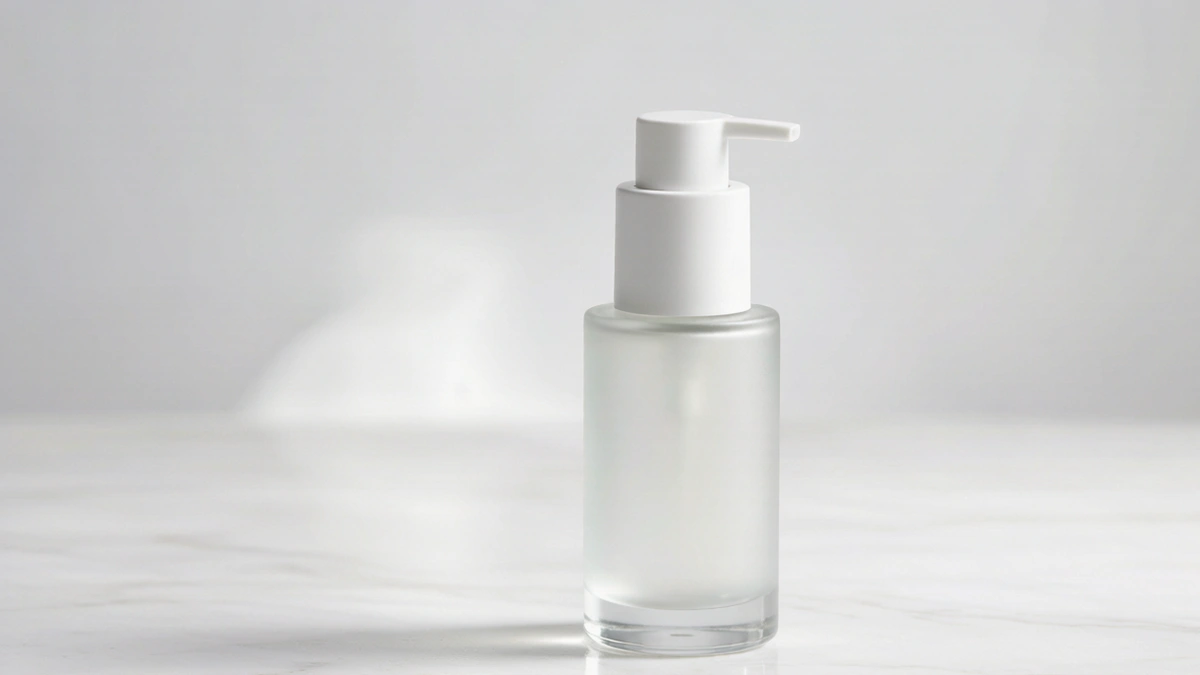
If your formula leans on vitamin C, retinol, or peptides, the bottle is not just a container — it is part of the preservation system your customers are paying for. An airless pump bottle shuts air out of the headspace completely, which is why it has become the standard shell for premium serums, anti-aging creams, and low-preservative formulas. Below is a practical look at how the mechanism works, where it actually earns its higher unit cost, and where a plain pump or jar is the smarter buy.
How an Airless Pump Bottle Actually Works
A conventional pump bottle draws product up a dip tube, and a small amount of air rushes back in to fill the void every time you press. An airless bottle removes that exchange entirely. Inside the bottle, a piston sits beneath the formula. Each press creates a partial vacuum that lifts the piston upward, pushing the remaining product out through a one-way valve. Air never re-enters, and nothing flows back down.
That sealed loop is the whole point. From the first pump to the last drop, the bulk of the formula only meets the pump mechanism once — after that it stays isolated from oxygen and handling. The same mechanism is what lets an airless bottle evacuate almost everything inside instead of stranding product at the bottom.
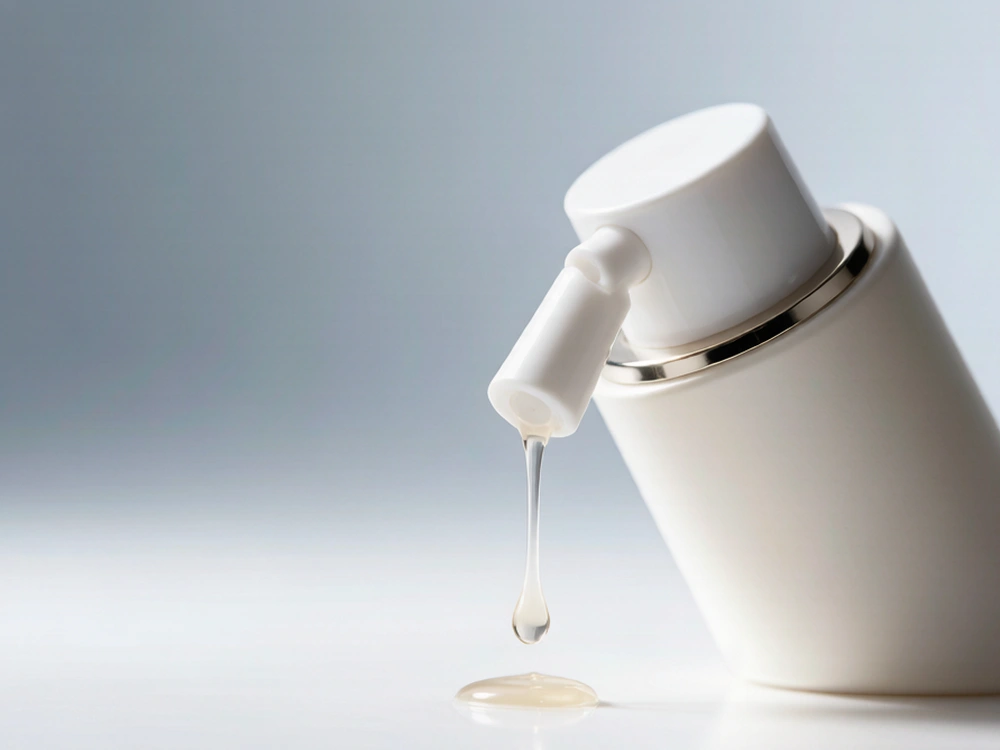
Airless vs. a Traditional Pump: Where the Gap Shows
The differences look small on a shelf and matter a lot in a formula:
- Oxidation. Vitamin C browns, retinol loses strength, and peptides degrade when oxygen gets in. Airless blocks that contact; a standard pump lets air in on every use.
- Contamination. Fingers and ambient air carry bacteria. A sealed airless pump keeps the formula off hands and out of open air, which matters most for preservative-free or eye-area products.
- Waste. Airless systems push out roughly 95–99% of the contents. Traditional pumps commonly leave 10–20% trapped below the dip tube.
- Dose and hygiene. Output stays consistent pump to pump, with no dipping or double-dipping.
For a direct comparison of dispensing styles, see our breakdown of dropper, pump, and airless bottles.
When Your Formula Genuinely Needs Airless
Not every product benefits equally. Airless earns its place when the formula is sensitive or high-value:
- Vitamin C serums, especially water-based L-ascorbic acid, which is the least stable common form.
- Retinol and retinaldehyde creams, where potency drops with repeated oxygen exposure.
- Peptide treatments and other fragile actives meant to stay intact over a multi-month routine.
- Preservative-free or low-preservative formulas, where air isolation does some of the work preservatives would otherwise do.
- Eye creams, where jar dipping is a hygiene problem.
- Sunscreens and probiotic skincare, which sit on the shelf and on skin for weeks.
- Travel and sample sizes, where leakage and oxidation during transit are real risks.
If the active is expensive and degrades in air, airless is the conservative choice rather than an upgrade.
When a Standard Pump or Jar Is Enough
Airless costs more per unit because the piston, seals, and molds are more complex. Skip it when protection is not the bottleneck:
- Body lotions, shampoos, hand soaps, and cleansers with stable, non-reactive formulas.
- High-volume, lower-priced lines where a few cents per unit compounds across a run.
- Thick balms or masks that are scooped rather than pumped.
A plain pump still dispenses cleanly and reads as professional. Paying for air isolation you do not need just trims margin.
Airless Bottle Types and Materials
The category covers more than one shape:
- Pump-top — the familiar upright airless bottle.
- Twist-lock — pump hidden until you twist, good for purses and travel.
- Airless jar — same sealed benefit for thicker creams and gels.
- Dual-chamber — keeps two components apart until the first pump mixes them; useful for activated serums.
- Refillable — designed to be disassembled and refilled, cutting single-use plastic.
Materials run from PP and PETG through PET and acrylic, with glass airless available where weight is not a concern and a more premium feel is wanted. Capacities typically span 15 ml to 150 ml. One practical caveat: very thick or grainy textures can stall a pump, so smoother viscosities dispense most reliably. For the broader material trade-off, our glass vs. plastic packaging guide covers where each fits.
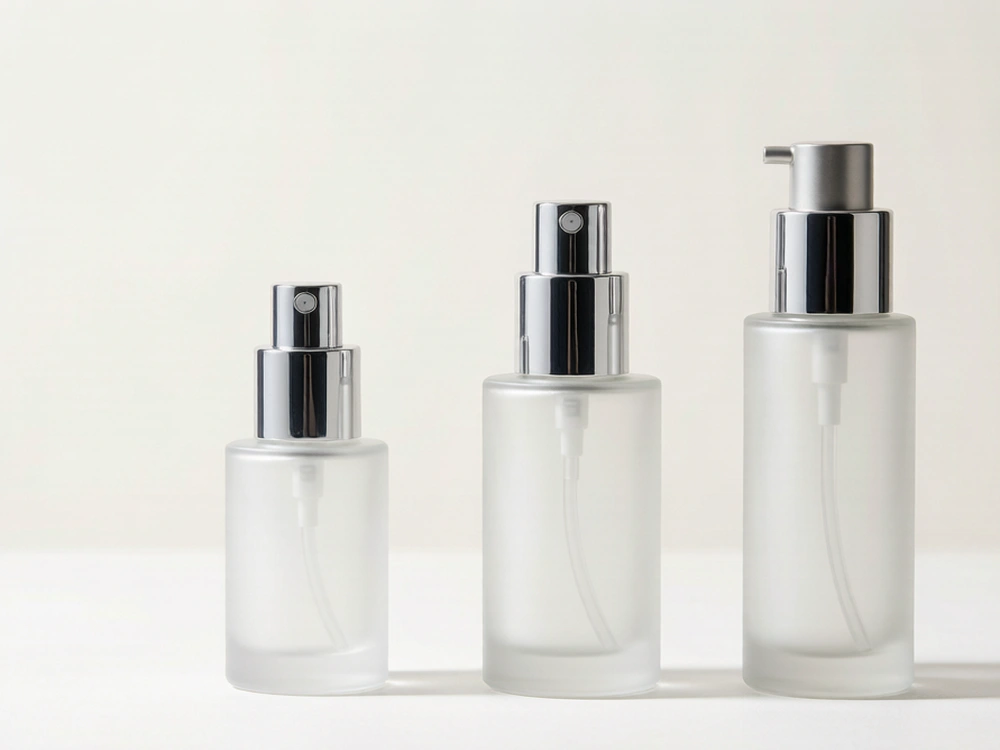
A Short Spec Checklist Before You Source
Lock these before requesting a quote, because they decide both cost and fill-line compatibility:
- Material — PP, PETG, PET, acrylic, or glass, matched to your formula’s chemical resistance.
- Capacity — pick from the 15–150 ml band or confirm a custom size.
- Neck finish — the thread spec that decides which pump and cap fit.
- Decoration — silk screen, hot stamp, spray coat, or label, if branding matters at shelf.
- Closure and actuator — output volume per stroke and lock type.
- Order terms — MOQ and lead time, which run higher for airless than for simple pumps given the tooling.
MOQ and lead time vary by structure, so confirm the real numbers with your supplier rather than assuming a catalog minimum. Our MOQ guide for cosmetic packaging walks through the ordering math, and compatibility testing explains how to verify a bottle against a specific formula before a full run.
Planning Your Airless Packaging Order?
Tell us your formula, capacity, and decoration — we’ll match an airless bottle that protects the actives and fits your fill line.
FAQ
What is the difference between an airless pump and a regular pump bottle?
A regular pump uses a dip tube and pulls air in with each press, which exposes the formula to oxygen. An airless bottle uses a rising piston and a one-way valve, so air never enters and nearly all the product is pushed out.
Do airless bottles work for thick creams?
Yes, through an airless jar or a wide-bore pump. Very thick or grainy textures can clog a fine pump, so match the actuator to your viscosity.
Are airless pump bottles worth the extra cost?
For sensitive, high-value, or preservative-light formulas, the protection and near-complete evacuation usually justify the premium. For stable, high-volume products, a standard pump is the better value.
Can airless bottles be refilled or recycled?
Refillable airless designs exist and cut single-use plastic. Recycling is harder than for a single-material bottle because the pump, piston, and container are often different plastics — check the specific model.
What size airless bottle should I choose?
Match the size to how much product a full routine uses: 15–30 ml for serums and eye care, 50 ml for daily creams, 100–150 ml for body and hair treatment.