
Travel-Size & TSA-Compliant Cosmetic Packaging: A Buyer’s Guide for Beauty Brands

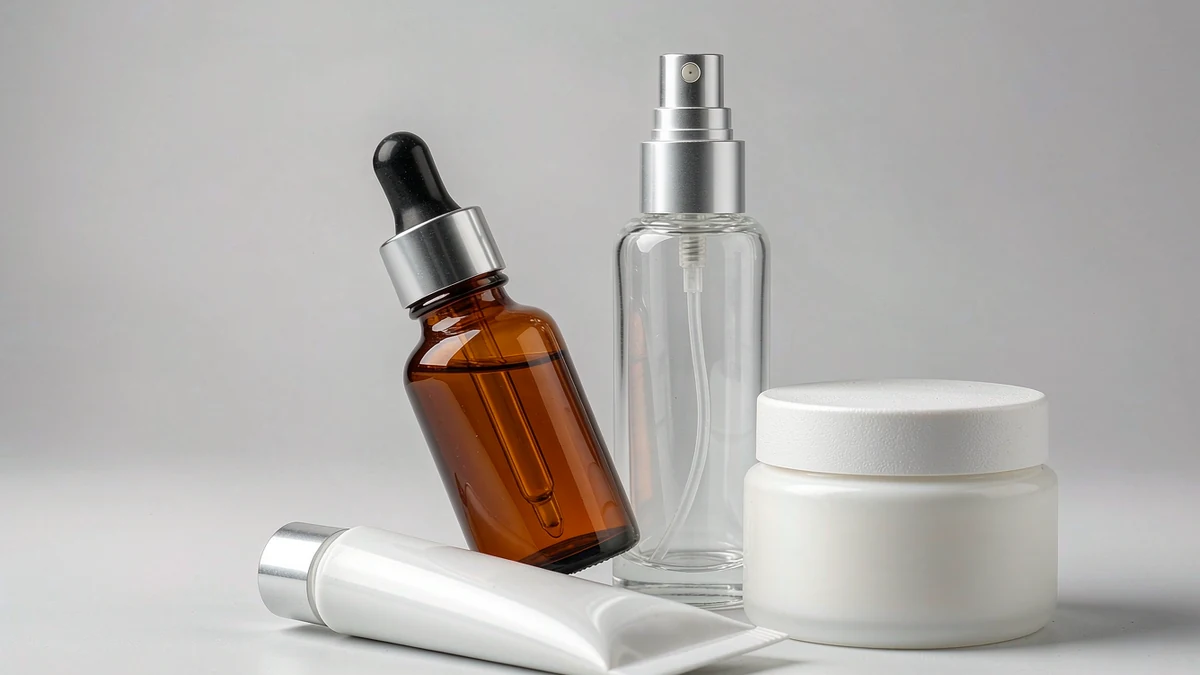
For indie skincare, fragrance, and CBD brands, the travel-size segment is no longer a side aisle. Mini formats drive first-time trial, extend a line into gift and onboarding kits, and—just as important—let customers carry your formula through airport security. But ‘travel-size’ is not simply a smaller bottle. It means designing inside hard regulatory limits (the TSA 3-1-1 rule), choosing formats that survive a packed carry-on, and matching the container to the formula. This guide walks procurement and brand teams through what actually matters when you spec travel-size and TSA-compliant cosmetic packaging.
Key Takeaways
If you remember nothing else, remember these:
- Carry-on liquids must sit in containers of 100 ml (3.4 oz) or less—all containers share one quart-sized clear bag, one bag per passenger.
- 100 ml is the ceiling, not the target. The practical sweet spot for multi-item kits is 30–50 ml, which leaves room in the bag for several products.
- Every major format is available at compliant sizes—dropper, fine-mist, jar, airless, and tube all ship in TSA-friendly volumes.
- Plastic wins for carry-on. It is lighter and shatterproof; amber glass adds UV protection for oils and serums when weight is not the priority.
- Leak-proof closures and a drop test before launch are non-negotiable—a sealed bag full of leaked serum is a returned product.
- Refillable travel kits cut plastic waste and ride the broader reuse trend without changing your formula.
What the TSA 3-1-1 Rule Actually Requires
The US Transportation Security Administration’s ‘3-1-1’ rule is the default most brands design around, and it has been adopted as the international baseline by ICAO. The three numbers mean: containers of 3.4 ounces (100 ml) or less, placed inside one quart-sized (about 1 litre) clear, resealable bag, with one bag per passenger. The same 100 ml limit applies across the EU, UK, Canada, and Australia, so a 100 ml-or-under format is globally carry-on safe.
Two details trip up first-time buyers. First, the printed container capacity is what counts—not how much liquid is left inside. A 150 ml bottle with only 50 ml remaining will still be pulled at security. Second, the rule shows no sign of loosening soon; TSA has indicated the 3-1-1 limit may stay in place until computed-tomography liquid screening is deployed nationwide, a horizon it has cited around 2040. Medically necessary liquids and baby food are exempt but must be declared at screening.
Capacity Options That Actually Pass
The useful travel sizes cluster at 10 ml, 15 ml, 30 ml, 50 ml, and 100 ml. For most brands the comfort zone is 30–50 ml: large enough to be a real product, small enough that four or five fit a single quart bag with breathing room. Creams, balms, and masks tend to use 5–15 ml jars, while sample and hotel-amenity programs overlap the same range. If you want a single ‘travel’ SKU that is universally compliant, 100 ml is the outer bound—but pairing a 30 ml and a 50 ml format usually serves customers better than one maxed-out bottle.
Matching the Format to the Formula
Travel size is a packaging problem, not a volume problem. Pick the delivery format your formula already uses, then shrink it:
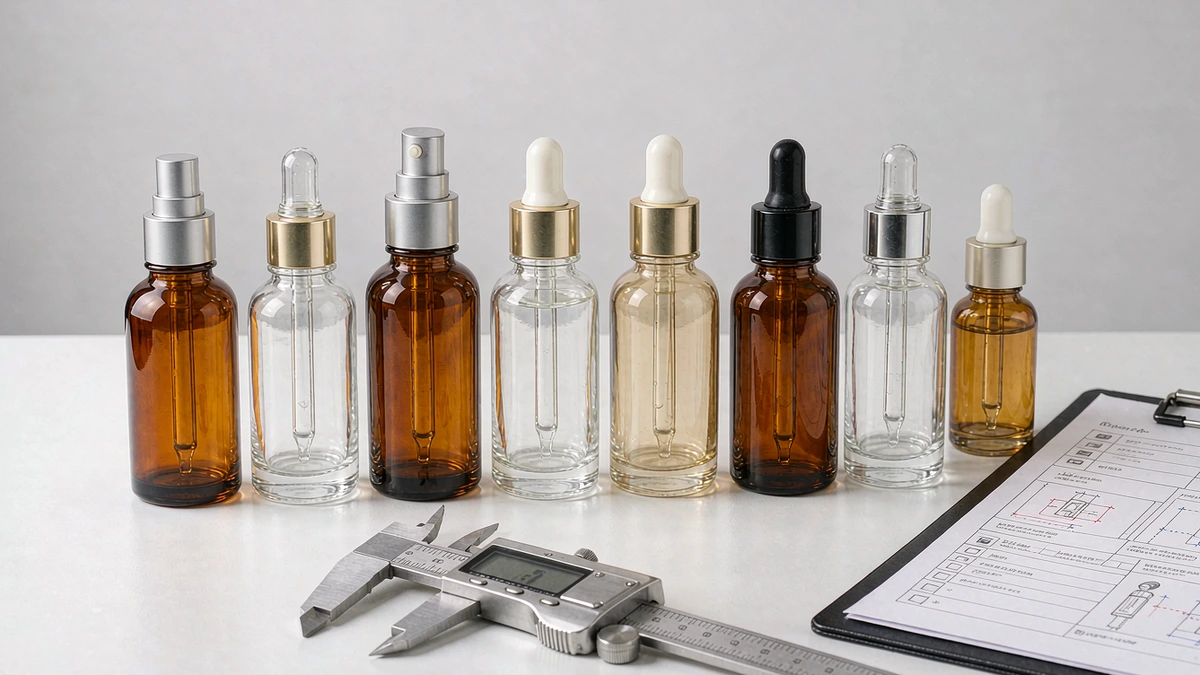
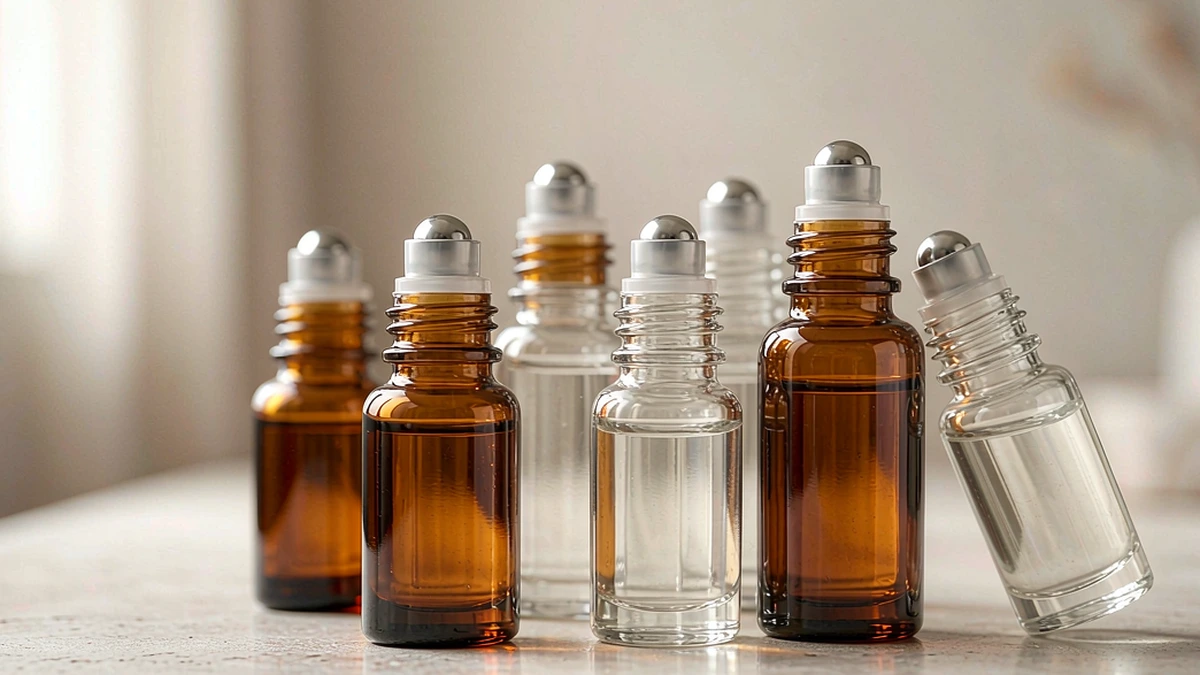
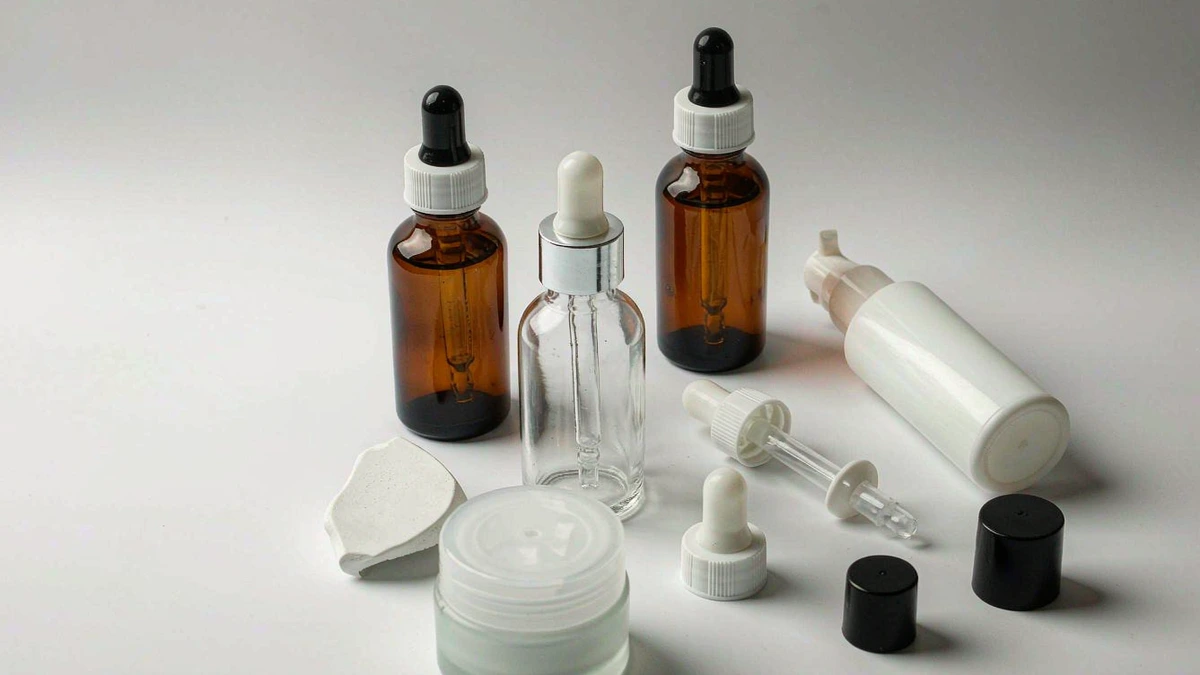
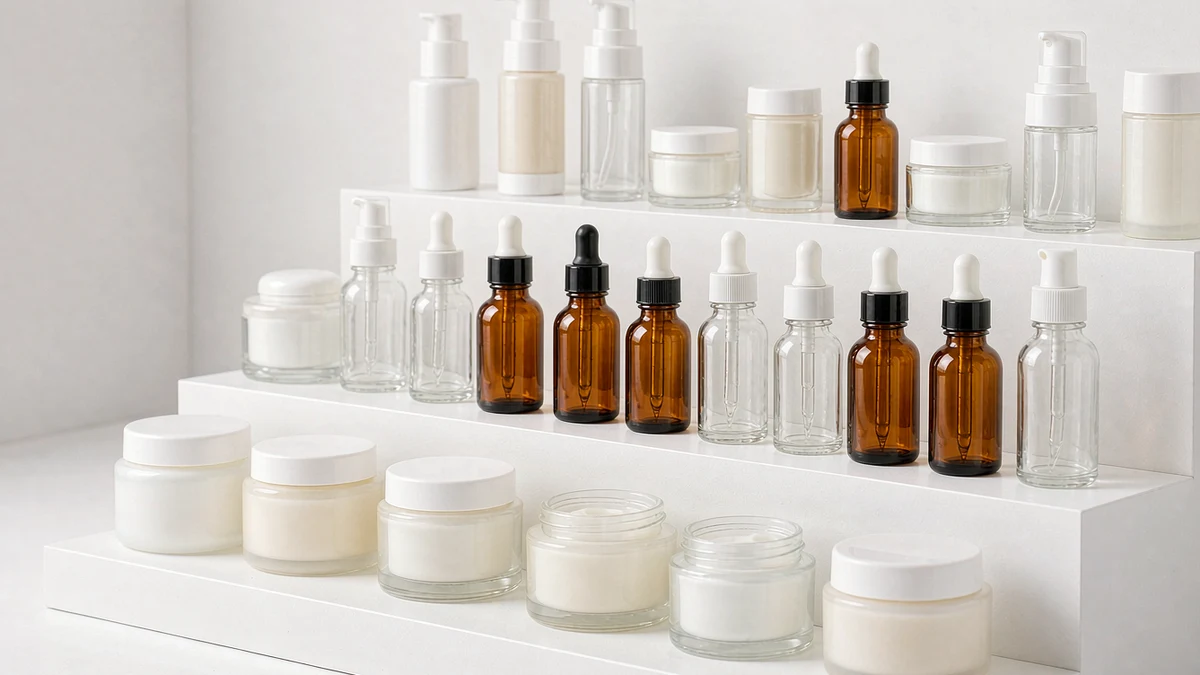
- Dropper bottles (10–30 ml): serums, facial oils, and CBD drops. Small dropper sizes are inherently compliant and pair well with essential-oil-grade dropper selections.
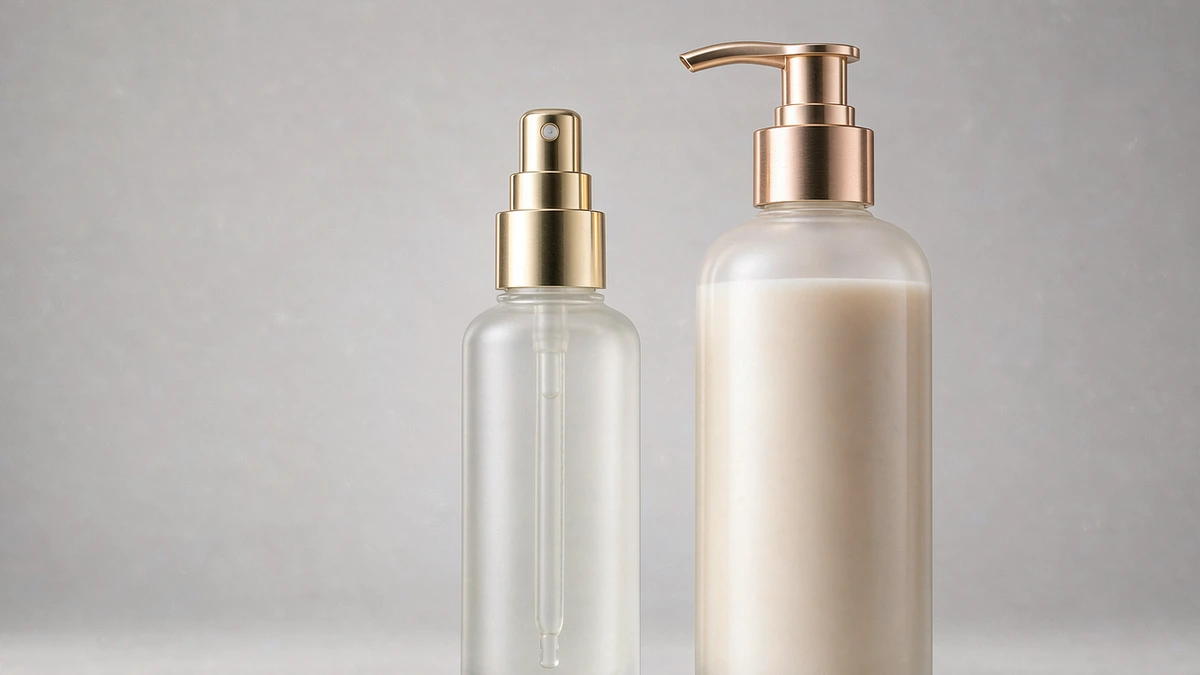
- Fine-mist spray bottles (30–100 ml): toners, setting sprays, and hand sanitizers. Keep them under 100 ml and they pass as easily as any other liquid. See our complete guide to cosmetic spray bottles.
- Cream jars (5–30 ml): balms, moisturizers, and masks. Compare glass vs plastic cream jars before committing to a travel jar.
- Airless pumps (15–50 ml): preservative-light and sensitive-skin formulas gain extra protection on the road because less air enters the chamber. Our airless pump guide covers when to choose them.
- Tubes (15–50 ml): cleansers, lotions, and wash-off masks. Tube packaging is squeezable, light, and hard to leak.
Plastic vs Glass for Carry-On
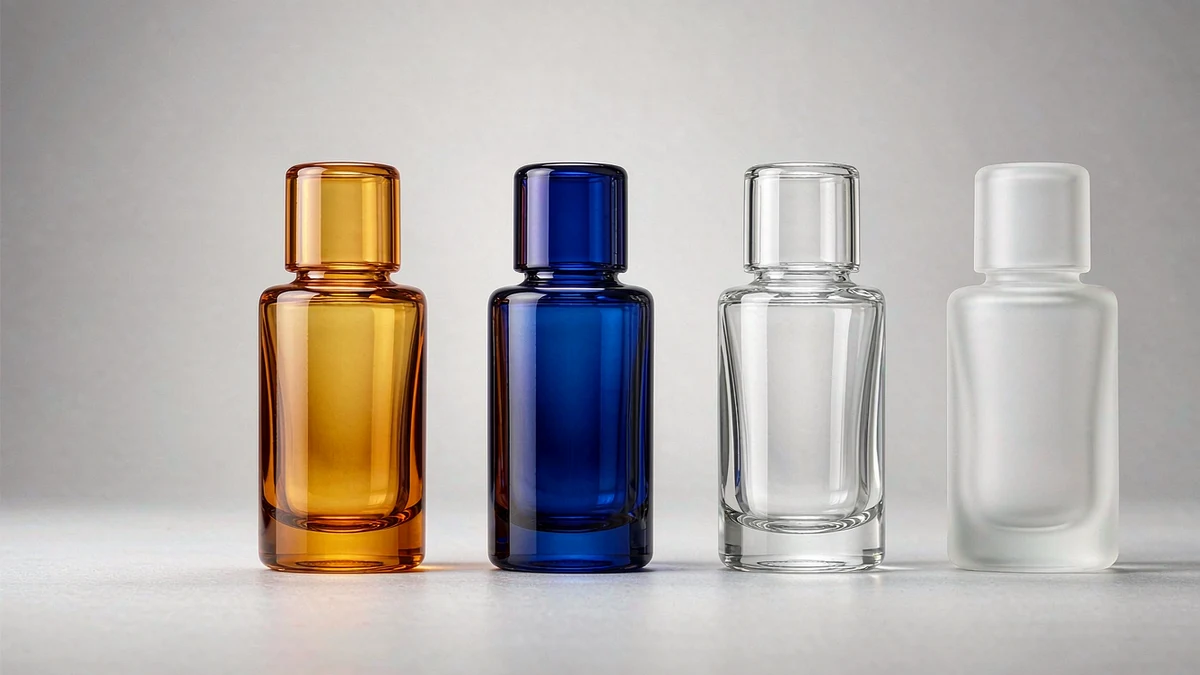
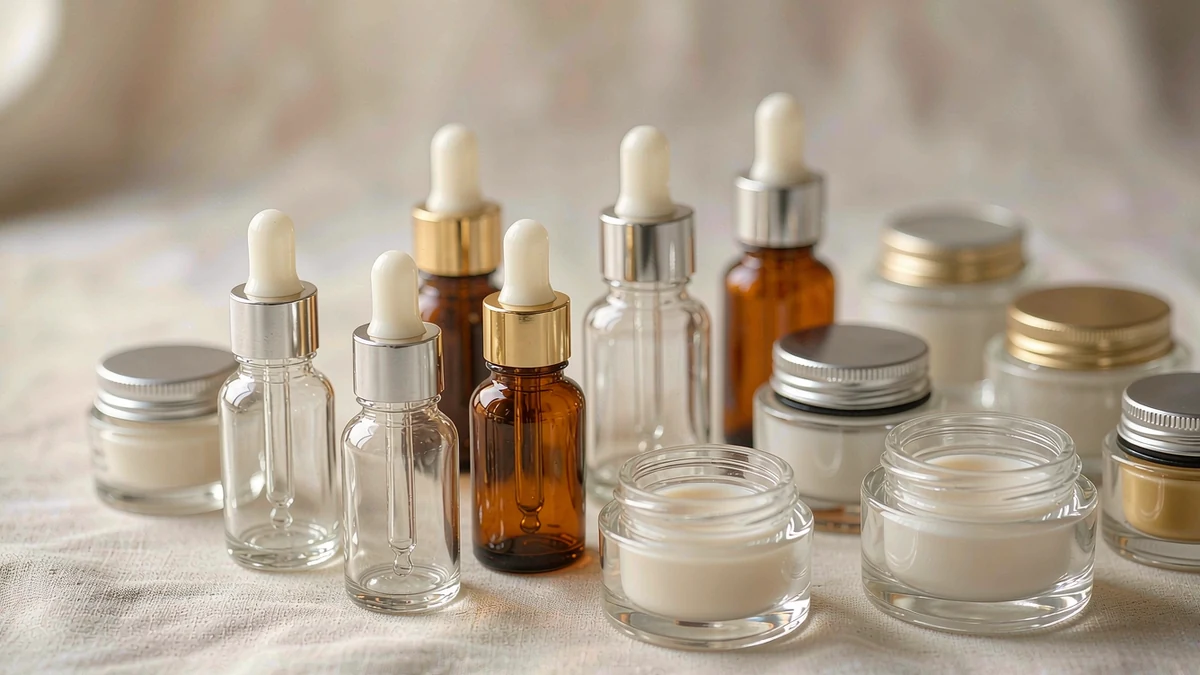
For anything that goes in a carry-on, plastic (PET, HDPE, LDPE, PP) is the safer default: it is lighter, shatterproof, and keeps freight weight down. Glass still earns its place for premium 10–30 ml serums and droppers, especially amber glass, which blocks UV light that can degrade oils and actives. If you go glass in travel sizes, spec a protective insert and accept the added weight. For brands watching their environmental footprint, PCR (post-consumer recycled) plastic brings sustainability credentials to a travel line without the breakage risk. The broader trade-off is covered in our glass vs plastic overview.
Leak-Proof Is a Design Requirement, Not a Hope
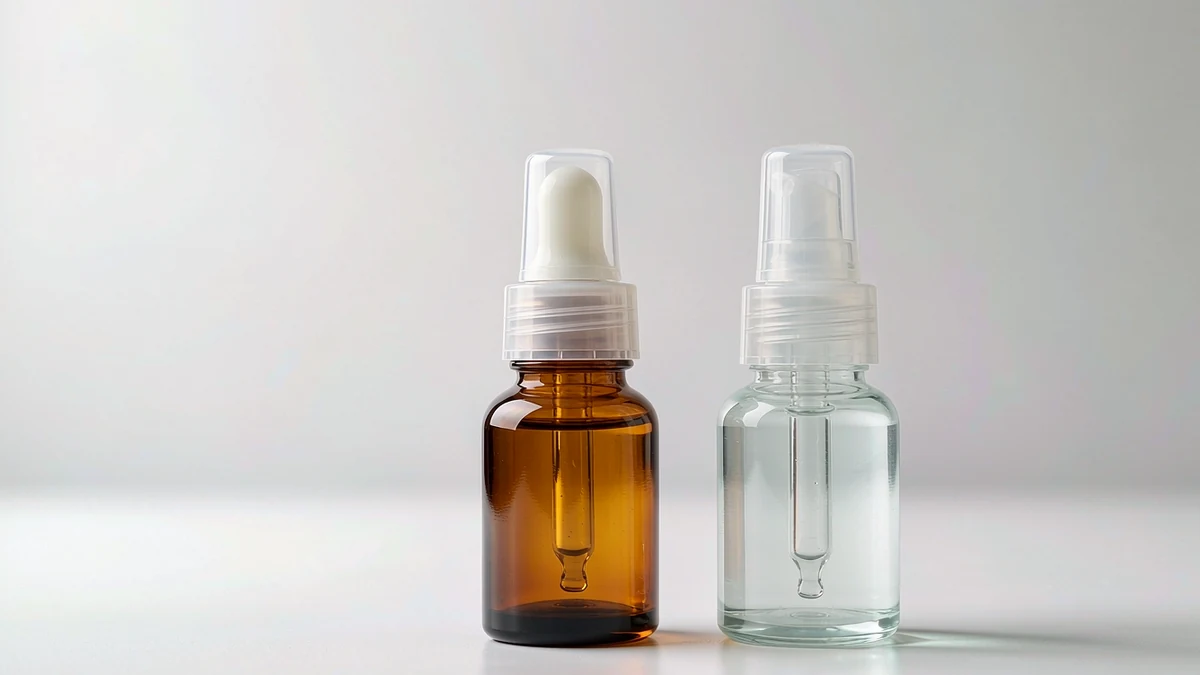
A travel bottle lives in a pressurized, jostled, temperature-shifting environment. Closures should use double seals, screw-lock caps, and silicone gaskets, and squeezable LDPE with tight thread tolerances resists oil seepage better than loose caps. Before any travel SKU ships, run a drop and leak test—filled, sealed, inverted, and shaken—mirroring the compatibility testing method we use for full-size lines. A single failed closure in a customer’s bag erodes trust faster than any marketing spend can rebuild it.
The Refillable Travel Kit Opportunity
Reusable travel kits—durable bottles plus a labeled quart bag—are gaining ground among eco-conscious buyers who want to decant their daily products instead of buying mini disposables. This dovetails with the refillable and reusable packaging movement: brands can sell the vessel once and the formula repeatedly, cutting per-trip plastic without changing what is inside.
Sourcing Travel-Size Packaging (OEM/ODM)
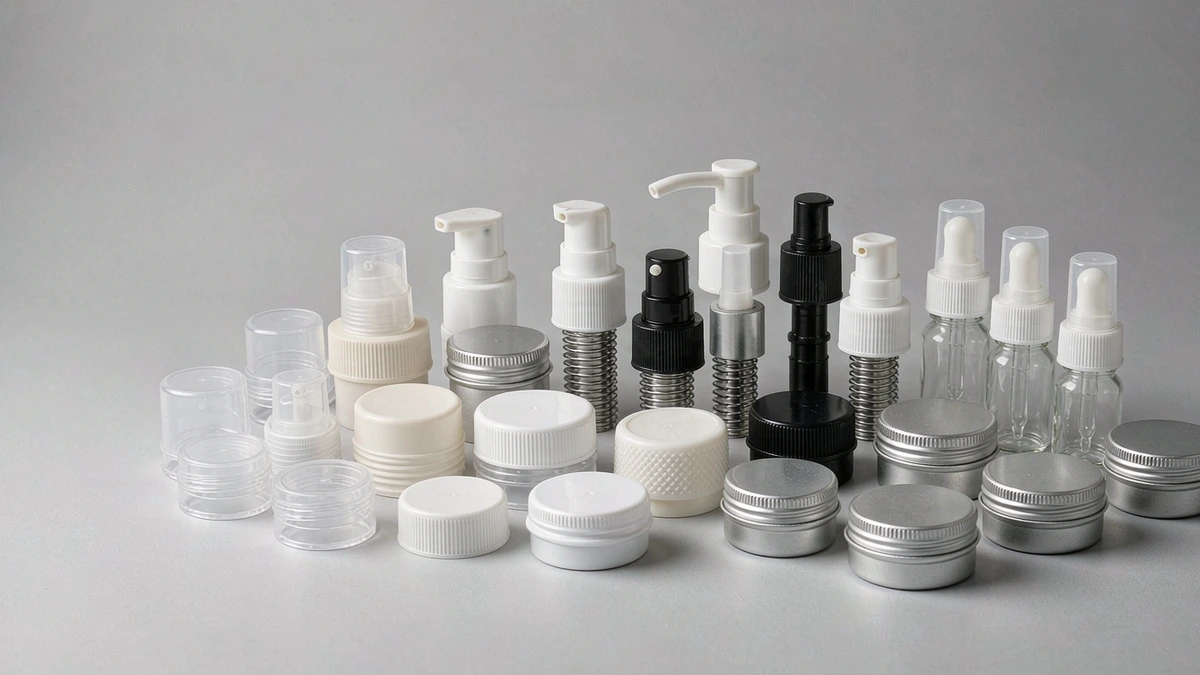
Most travel formats are available as stock items, but brands often want custom decoration, a unique mini closure, or a private-label kit. Mini sizes follow the same neck-finish rules as full-size lines—20/400, 24/410, and 28/410 are the common fits—so your closure library carries over. For custom travel runs, discuss China OEM/ODM sourcing with your supplier early, because decoration minimums and lead times on small bottles differ from standard volumes. (Exact MOQ, stock levels, and lead times vary by SKU—confirm with the supplier rather than assuming they match full-size terms.)
Planning a Travel-Size Line?
Our team helps skincare, fragrance, and CBD brands spec TSA-compliant dropper, mist, jar, airless, and tube formats — stock or custom. Tell us your formula and target size.
FAQ
What is the maximum size for travel-size cosmetics?
For carry-on, each container must be 100 ml (3.4 oz) or less, and all containers must fit in one quart-sized clear bag per passenger. That 100 ml limit is the international baseline, so compliant sizes fly almost everywhere.
Do travel-size containers need special closures?
They benefit from leak-proof design: double seals, screw-lock caps, and silicone gaskets, plus a drop and inversion leak test before launch. A single failure in a customer’s bag causes returns and lost trust.
Is glass or plastic better for travel packaging?
Plastic (PET, HDPE, LDPE, PP) is the safer carry-on default — lighter and shatterproof. Amber glass earns its place for premium 10–30 ml serums and oils because it blocks UV light, but add a protective insert.
Can I sell travel sizes as a separate product line?
Yes. Travel and trial sizes are a common way to drive first-time purchases, build gift and onboarding kits, and extend a full-size line without reformulating.
Are travel-size rules the same in every country?
The 100 ml carry-on limit follows the ICAO standard and applies across the US, EU, UK, Canada, and Australia. Always check the destination’s latest guidance, but 100 ml-or-under formats are globally safe.